
Plant · GBIF taxon 3152205
Cacao Tree
Theobroma cacaoAlso known as Cocoa Tree, Chocolate Tree
Thriving in the humid shade of the tropical rainforest understory, cacao exhibits cauliflory, producing delicate pink and white blossoms directly along its trunk and older branches. Specialized biting midges pollinate these intricate flowers, which develop into large, ribbed pods containing seeds encased in sweet white pulp. In their native Amazon and Orinoco basins, wild cacao trees rely on monkeys and agoutis to break open the thick husks and disperse their seeds across the forest floor.
TropicalRainforestEvergreen
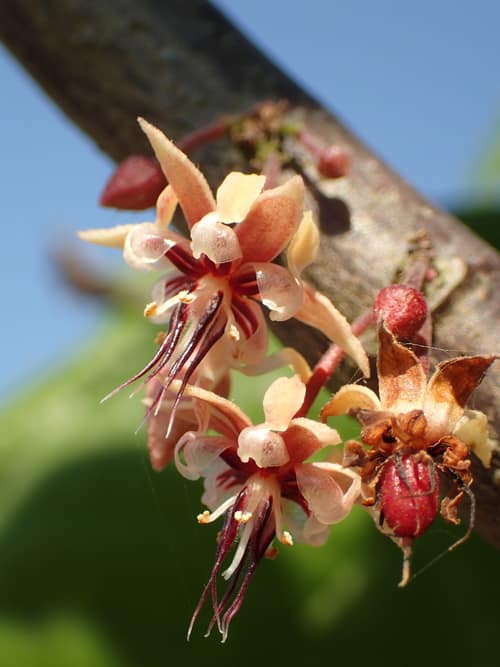
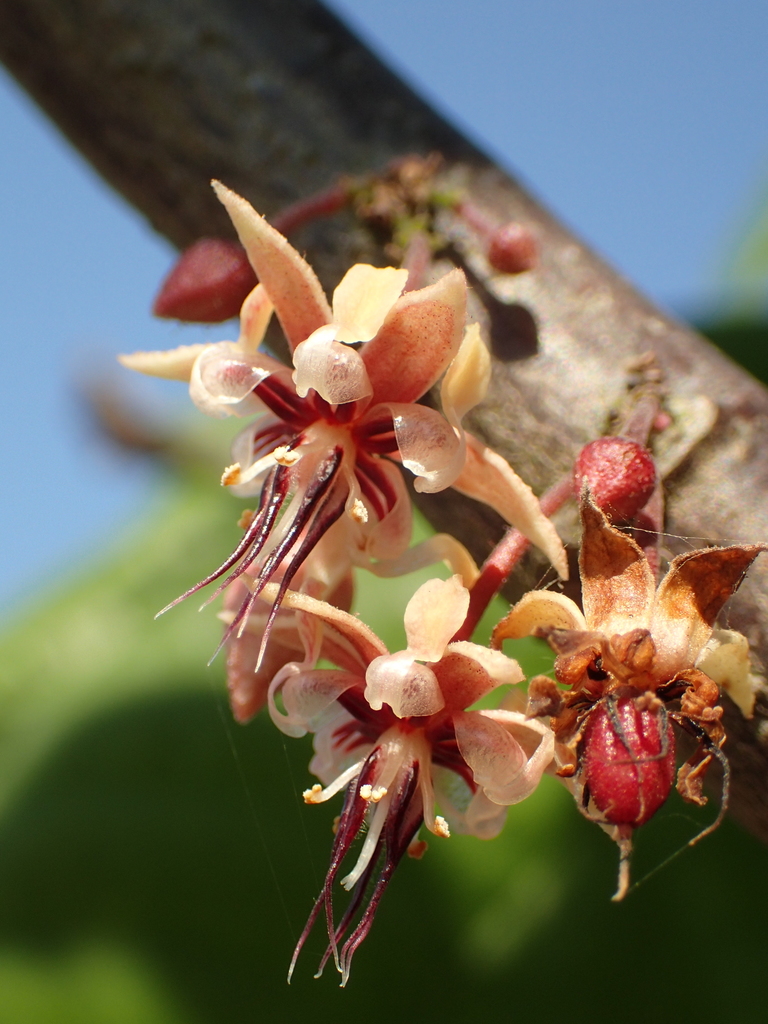
—observations
—countries
—peak records
Least ConcernConservation statusIUCN Red List categoriesLCNTVUENCREWEXLeast ConcernRed List categories, explained →
Diet & prey
- Autotrophic (photosynthetic)
Predators
- Spider monkeys
- Squirrel monkeys
- Black pod fungus (Phytophthora palmivora)
ThreatsFungal blights (witches' broom and black pod), deforestation, climate change
HabitatsTropical lowland rainforest understory, river floodplains, shade agroforests
Life span40–100 years
Size / weightNot available
Classification
- OrderMalvales
- FamilyMalvaceae
- GenusTheobroma
- SpeciesTheobroma cacao
Range data is not available yet.
Interaction riskHigh
- Low
- Moderate
- High
- Very high
- Why interaction risk is high
- Seeds contain theobromine, which is toxic to dogs and cats; never eat wild pods on app identification alone.
- Why it is dangerous
- Seeds contain high concentrations of theobromine and caffeine, which can cause severe cardiac arrhythmia, seizures, and death in domestic pets.
- How to recognize a risky encounter
- Recognize this small understory tree by its large, leathery leaves and football-shaped pods growing directly from the trunk.
- What to do
- Keep all harvested pods and beans out of reach of pets, and consult an emergency veterinarian if ingested.
Responsible observation
- Locating flowers: Inspect the main trunk and woody scaffold branches rather than new twigs to find the tiny blossoms.
- Pet safety: Keep raw seeds, pods, and processed cocoa strictly away from dogs and cats due to theobromine toxicity.
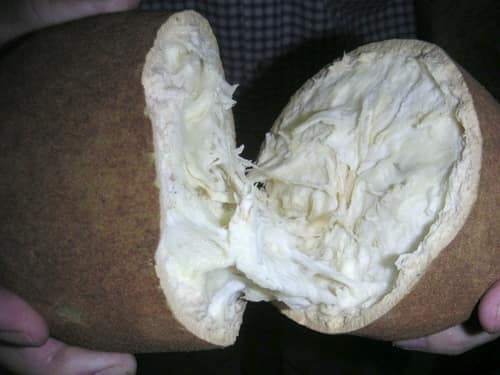
Close Relative (c) BjoernS. Original uploader was BjoernS at de.wikipedia, some rights reserved (CC BY-SA) · cc-by-sa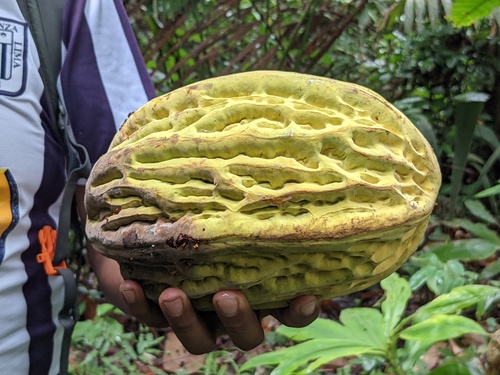
Close Relative no rights reserved · cc0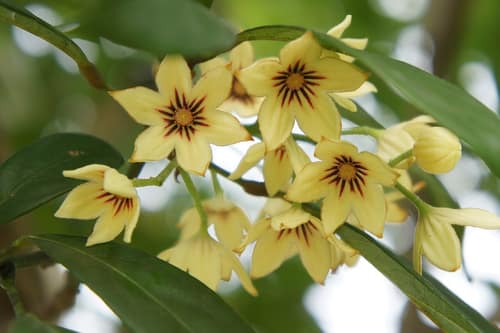
Same Family Michael Hermann / CC BY-SA 3.0 · cc-by-sa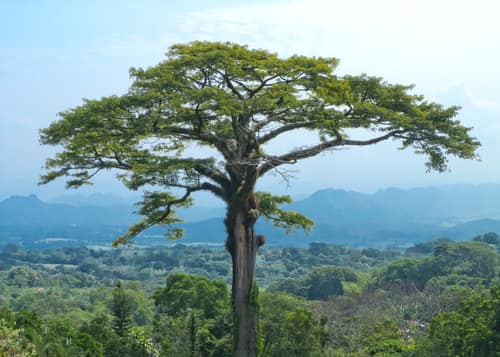
Same Family no rights reserved, uploaded by Manuel Ortiz · cc0
Help improve the field guideSomething wrong?
Checking your Fauna account…Report a name, category, or profile issue for review.