
Plant · GBIF taxon 3152195
West Indian Elm
Guazuma ulmifoliaAlso known as Bay Cedar, Guácimo, Bastard Cedar, Caulote
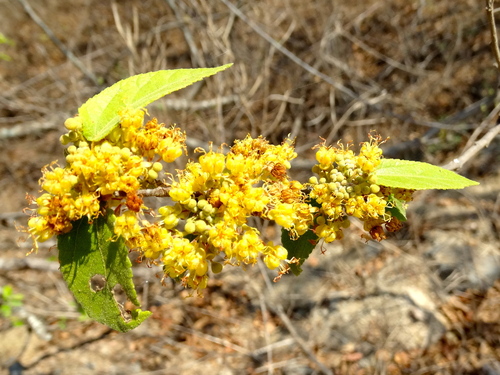
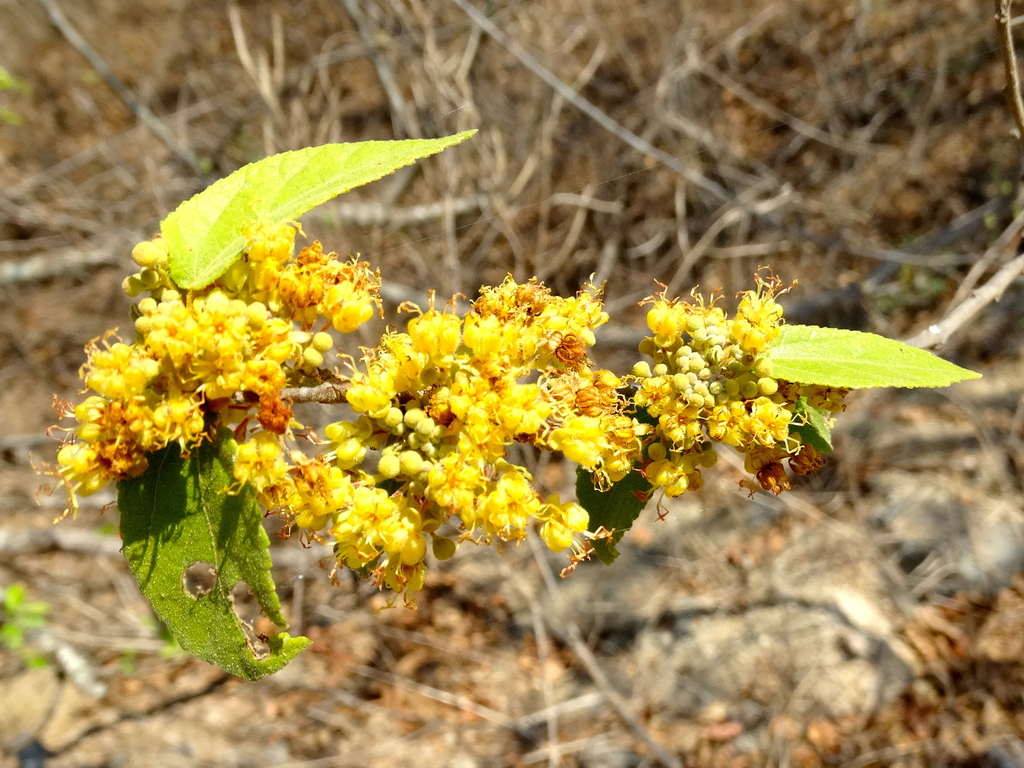
West Indian elm thrives as a fast-growing pioneer tree in tropical dry forests and secondary woodlands, quickly colonizing disturbed clearings and pastures. Small, fragrant yellow-brown flowers give way to distinctive woody, knobby capsules that livestock and native wildlife consume and disperse. Its deeply fissured gray bark and fibrous inner layers have long supported traditional uses ranging from rural timber and cordage to live fencing across the Neotropics.
Pioneer TreeNeotropicalDeciduous
—observations
—countries
—peak records
Least ConcernConservation statusIUCN Red List categoriesLCNTVUENCREWEXLeast ConcernRed List categories, explained →
Diet & prey
- Sunlight
- Water
- Soil nutrients
Predators
- Leafcutter ant
- Domestic cattle
- Wood-boring beetle
ThreatsSevere deforestation, frequent fire, and intensive agricultural conversion
HabitatsTropical dry forests, pastures, riverbanks, and disturbed secondary growth
Life span40–60 years
Size / weightNot available
Classification
- OrderMalvales
- FamilyMalvaceae
- GenusGuazuma
- SpeciesGuazuma ulmifolia
Range data is not available yet.
Interaction riskLow
- Low
- Moderate
- High
- Very high
- Why interaction risk is low
- Safe to observe at a normal distance.
Responsible observation
- Identifying Features: Check for rough, lance-shaped leaves with serrated margins and hard, warty black capsules.
- Wildlife Watching: Inspect fruiting canopies during the dry season to spot visiting parrots, toucans, and bats.
- Conservation Etiquette: Avoid stripping the fibrous bark, which protects the living cambium from drought and pests.
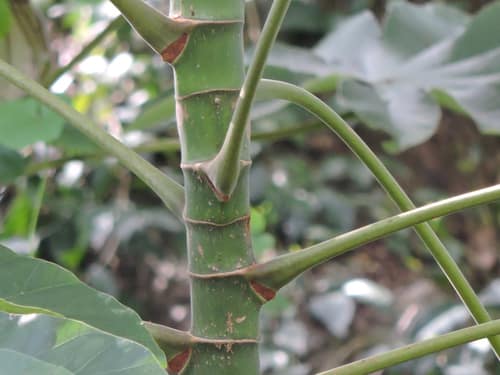
Competitor (c) Fabrício Mil Homens Riella, some rights reserved (CC BY), uploaded by Fabrício Mil Homens Riella · cc-by Image unavailable
Same Family 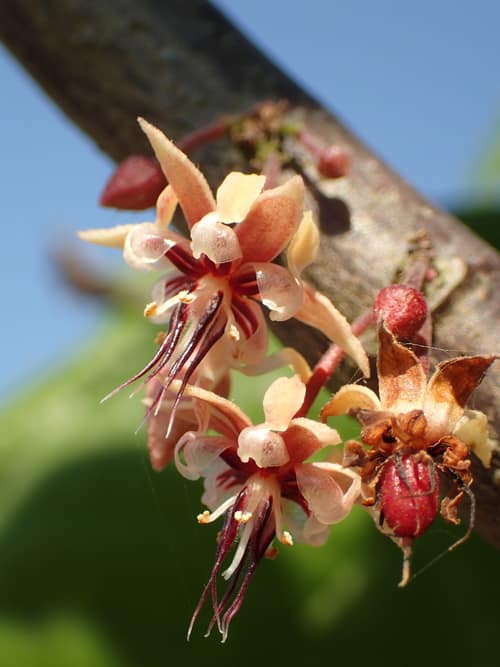
Same Family no rights reserved, uploaded by 葉子 · cc0Same Family
Help improve the field guideSomething wrong?
Checking your Fauna account…Report a name, category, or profile issue for review.