
Plant
Little-leaf Linden
Tilia cordataAlso known as Small-leaved Lime, Littleleaf Linden, Small-leaved Linden, European Linden
Little-leaf lindens are deciduous trees famous for their heart-shaped leaves, dense pyramidal crowns, and intensely sweet-smelling summer blossoms. During early summer, fragrant pale-yellow flowers bloom in small clusters attached to unique ribbon-like bracts that later help scatter seed pods on the wind. Widely planted in city parks and along streets, these long-lived trees tolerate air pollution and compacted soils remarkably well while providing vital nectar for honeybees.
DeciduousFragrantUrban Tree
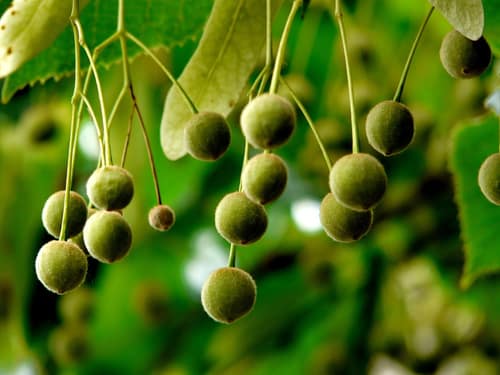
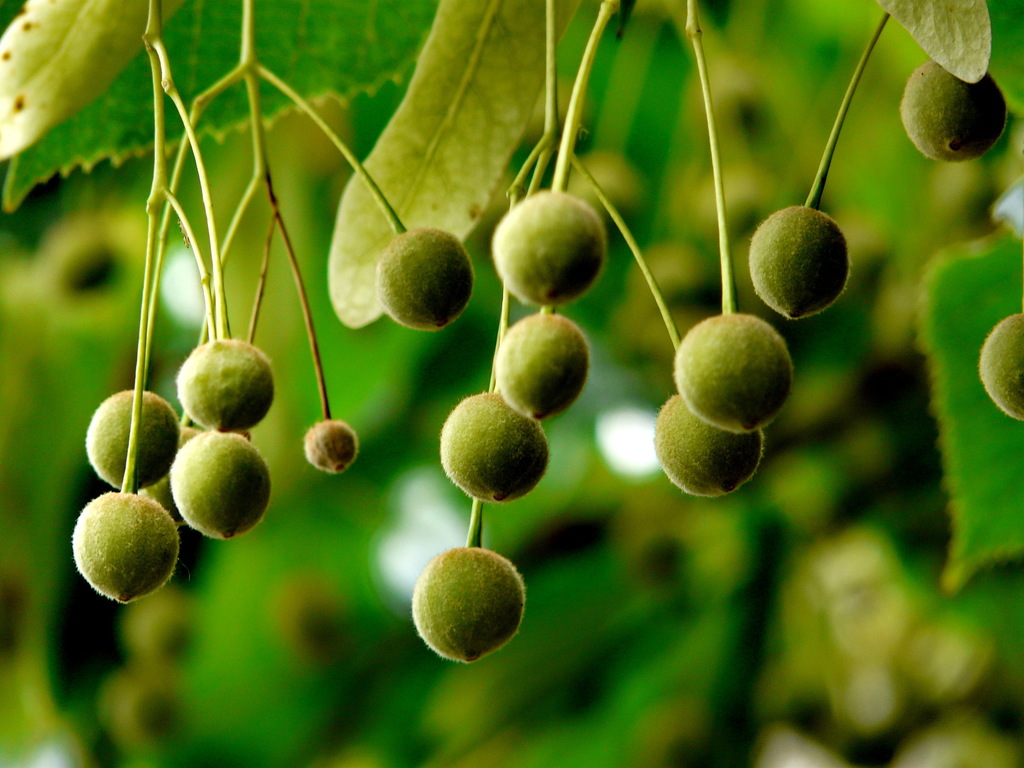
—observations
—countries
—peak records
Least ConcernConservation statusIUCN Red List categoriesLCNTVUENCREWEXLeast ConcernRed List categories, explained →
Diet & preyAutotrophic (Photosynthesis)
Predators
- Aphids
- Japanese beetles
- White-tailed deer
ThreatsPest infestations like aphids and Japanese beetles, extreme prolonged drought
HabitatsTemperate deciduous forests, parklands, urban streets
Life span100–500 years
Classification
- OrderMalvales
- FamilyMalvaceae
- GenusTilia
- SpeciesTilia cordata
Range data is not available yet.
Interaction riskLow
- Low
- Moderate
- High
- Very high
- Why interaction risk is low
- Safe to observe at a normal distance.
Responsible observation
- Spotting blossoms: Look for pale yellow flower clusters hanging beneath leafy green bracts in midsummer.
- Listening for pollinators: Stand near a tree in full bloom to hear hundreds of foraging bees overhead.
- Examining leaves: Check the leaf underside for tiny tufts of reddish hair in the vein axils.

Hybrid Ptelea / CC BY-SA 4.0 · cc-by-sa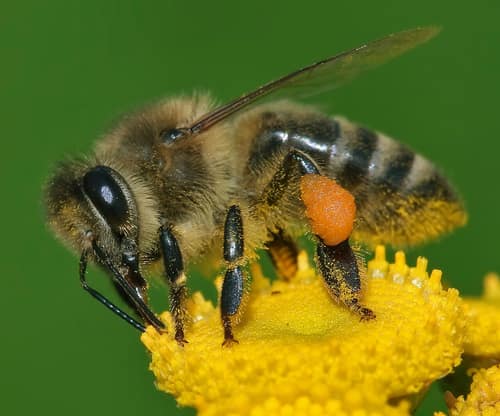
Pollinator Andreas Trepte / CC BY-SA 2.5 · cc-by-sa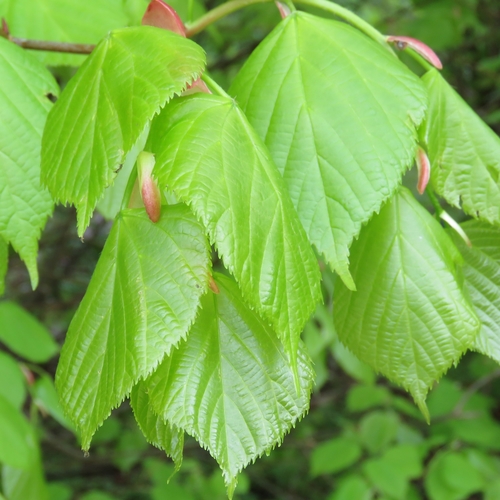
Close Relative (c) Andy Slater, some rights reserved (CC BY), uploaded by Andy Slater · cc-by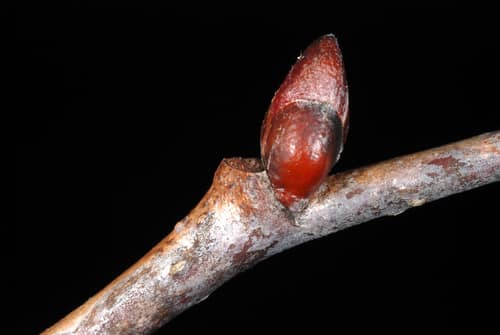
Close Relative (c) Douglas Goldman, some rights reserved (CC BY-SA), uploaded by Douglas Goldman · cc-by-sa
Help improve the field guideSomething wrong?
Checking your Fauna account…Report a name, category, or profile issue for review.