
Plant · GBIF taxon 3151761
Late Purple Aster
Symphyotrichum patensAlso known as Spreading Aster, Clasping Aster
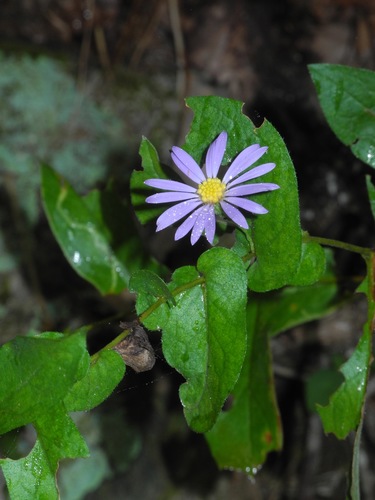
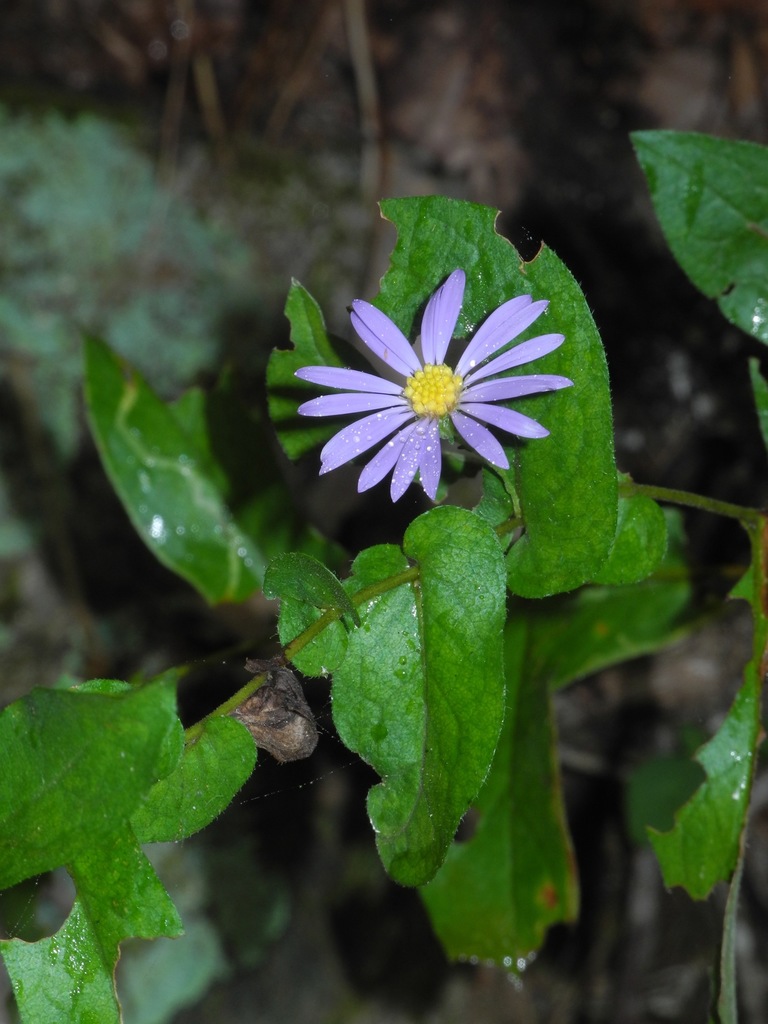
Late purple aster brightens dry woodlands and open fields throughout the autumn with delicate, lavender-blue rays encircling bright yellow central discs. Stems branch widely, producing clasping, ear-lobed leaves that readily distinguish it from closely related aster species. Deep taproots allow it to endure drought and thin soils, providing a critical late-season nectar reserve for migrating butterflies and overwintering queens.
WildflowerPollinator HostAutumn Blooming
 1 / 7
1 / 7—observations
—countries
—peak records
Least ConcernConservation statusIUCN Red List categoriesLCNTVUENCREWEXLeast ConcernRed List categories, explained →
Diet & prey
- Autotrophic (photosynthetic)
Predators
- White-tailed Deer
- Eastern Cottontail
- Pearl Crescent Butterfly Caterpillar
ThreatsHabitat fragmentation, woody encroachment due to fire suppression, and invasive weeds
HabitatsDry upland woods, glades, pine barrens, prairies, and open roadsides
Life spanPerennial (typically 5–15+ years)
Classification
- FamilyAsteraceae
- SpeciesSymphyotrichum patens
Range data is not available yet.
Interaction riskLow
- Low
- Moderate
- High
- Very high
- Why interaction risk is low
- Safe to observe at a normal distance.
Responsible observation
- Check the leaves: Look for the distinctive auriculate leaf bases that wrap snugly around the hairy stem.
- Pollinator viewing: Visit sunny patches on warm autumn afternoons to see native solitary bees and migrating butterflies feeding.
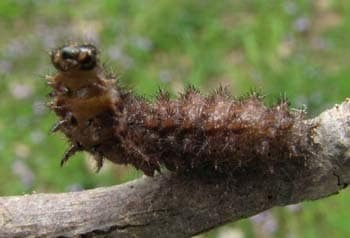
Herbivore (c) Beatriz Moisset, some rights reserved (CC BY-SA) · cc-by-sa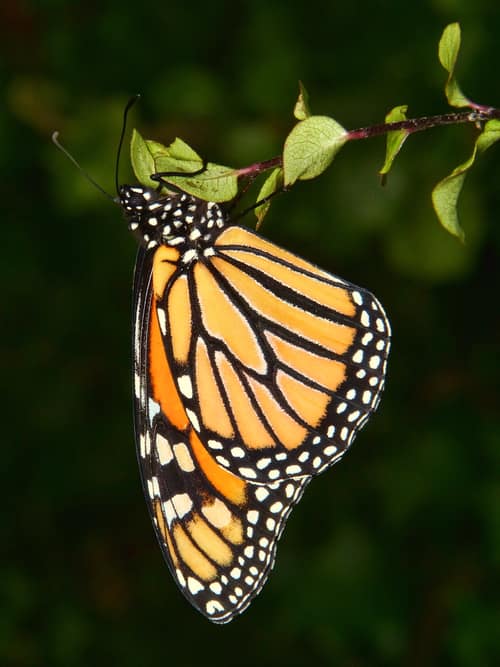
Pollinator Sid Mosdell from New Zealand / CC BY 2.0 · cc-by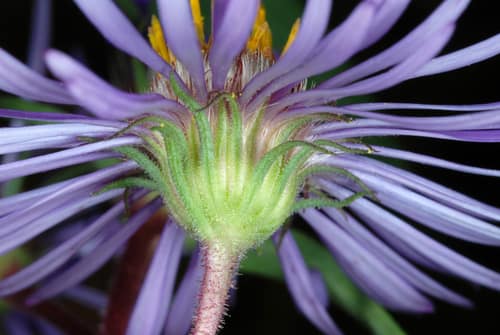
Close Relative (c) Douglas Goldman, some rights reserved (CC BY-SA), uploaded by Douglas Goldman · cc-by-sa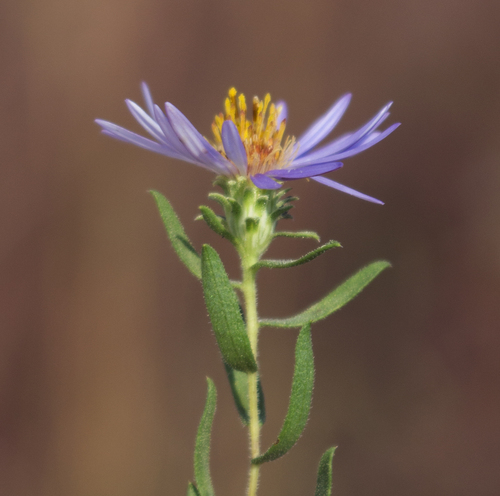
Close Relative (c) aarongunnar, some rights reserved (CC BY), uploaded by aarongunnar · cc-by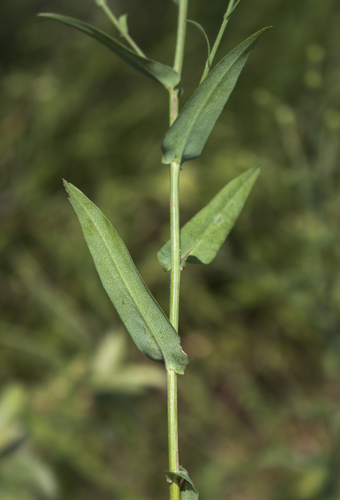
Close Relative (c) aarongunnar, some rights reserved (CC BY), uploaded by aarongunnar · cc-by
Help improve the field guideSomething wrong?
Checking your Fauna account…Report a name, category, or profile issue for review.