
Plant · GBIF taxon 3151755
Hairy White Oldfield Aster
Symphyotrichum pilosumAlso known as Frost Aster, White Heath Aster, Awl Aster, Steelweed
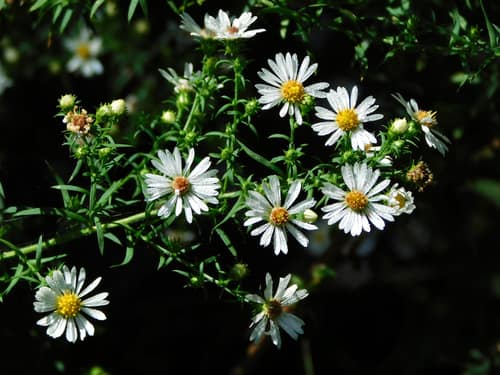
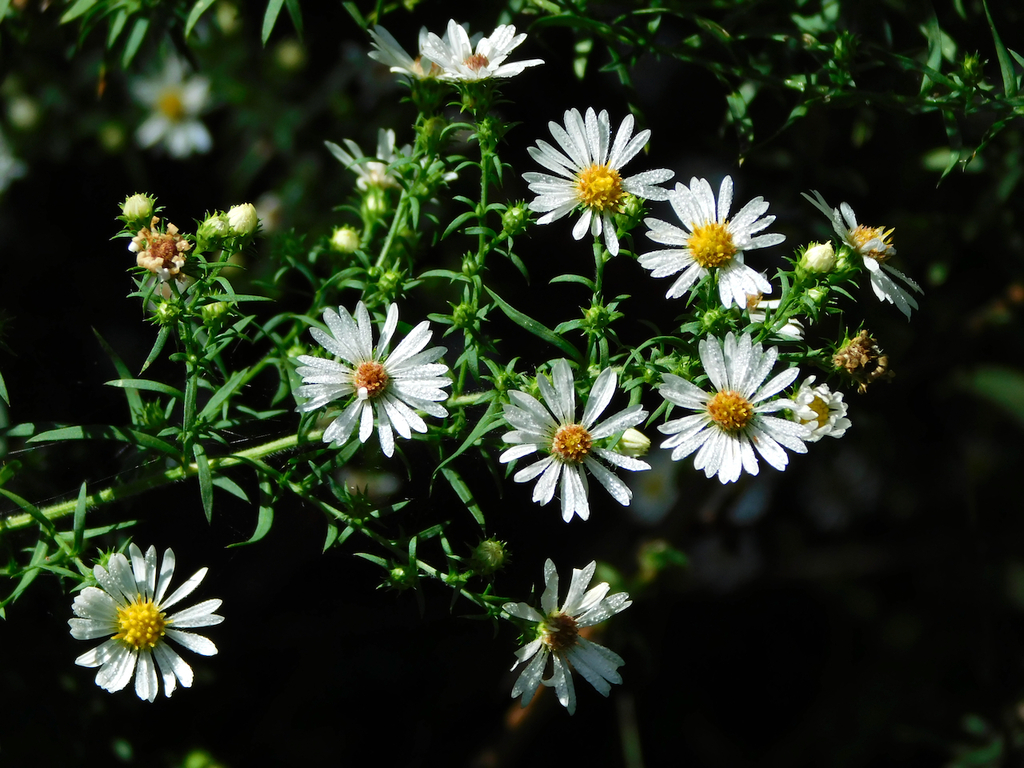
Hairy white oldfield aster blankets autumn pastures and roadsides in a delicate froth of small, bright white ray flowers surrounding yellow centers. Densely hairy stems and narrow leaves help this resilient perennial conserve moisture in dry, disturbed soils across central and eastern North America. Its late-season bloom provides a crucial nectar corridor for migrating butterflies and overwintering bees when few other flowers remain.
WildflowerLate BloomerPollinator Magnet
 1 / 7
1 / 7—observations
—countries
—peak records
Least ConcernConservation statusIUCN Red List categoriesLCNTVUENCREWEXLeast ConcernRed List categories, explained →
Diet & prey
- Photosynthetic
Predators
- Herbivorous Insects
- White-tailed Deer
- Eastern Cottontail
ThreatsFrequent mowing before seed set and herbicidal clearing
HabitatsOld fields, pastures, roadsides, clearings, and disturbed grounds
Life spanPerennial (5–10+ years)
Size / weightNot available
Classification
- OrderAsterales
- FamilyAsteraceae
- GenusSymphyotrichum
- SpeciesSymphyotrichum pilosum
Range data is not available yet.
Interaction riskLow
- Low
- Moderate
- High
- Very high
- Why interaction risk is low
- Safe to observe at a normal distance.
Responsible observation
- Garden Use: Plant in full sun with well-drained soil to support native bees and butterflies.
- Field Identification: Examine upper stems for dense white hairs and tiny awl-like bracts.
- Timing: Search for vast clouds of white blossoms from late summer through the first frosts.
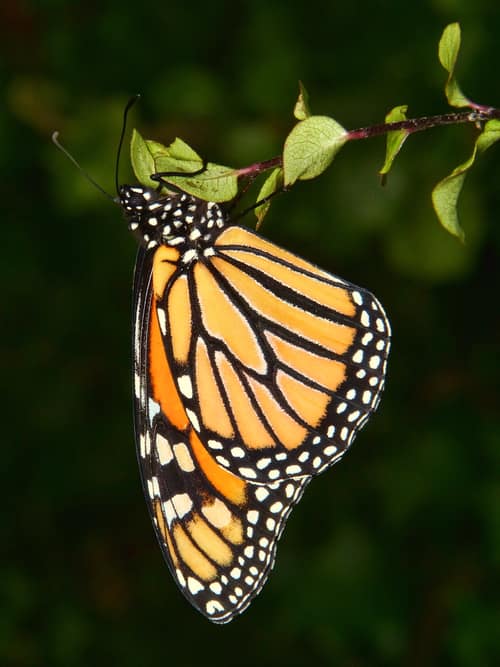
Pollinator Sid Mosdell from New Zealand / CC BY 2.0 · cc-by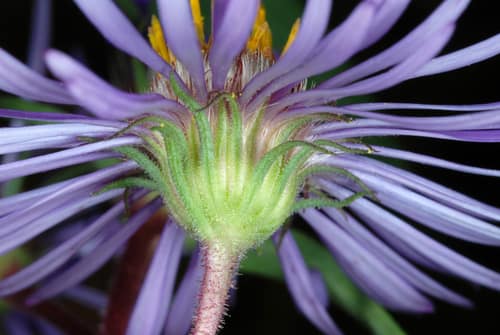
Close Relative (c) Douglas Goldman, some rights reserved (CC BY-SA), uploaded by Douglas Goldman · cc-by-sa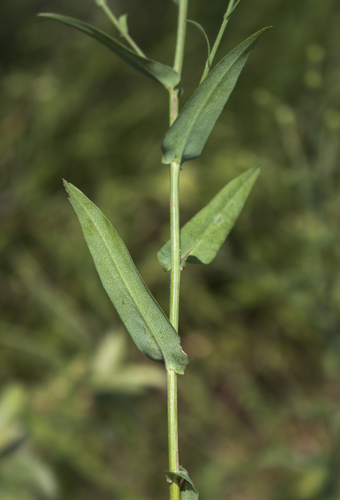
Close Relative (c) aarongunnar, some rights reserved (CC BY), uploaded by aarongunnar · cc-by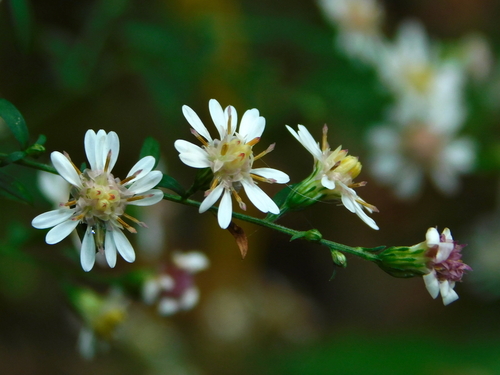
Close Relative (c) Michael J. Papay, some rights reserved (CC BY), uploaded by Michael J. Papay · cc-by
Help improve the field guideSomething wrong?
Checking your Fauna account…Report a name, category, or profile issue for review.