
Plant · GBIF taxon 3151704
Douglas' Aster
Symphyotrichum subspicatumAlso known as Douglas Aster, Douglas's Aster
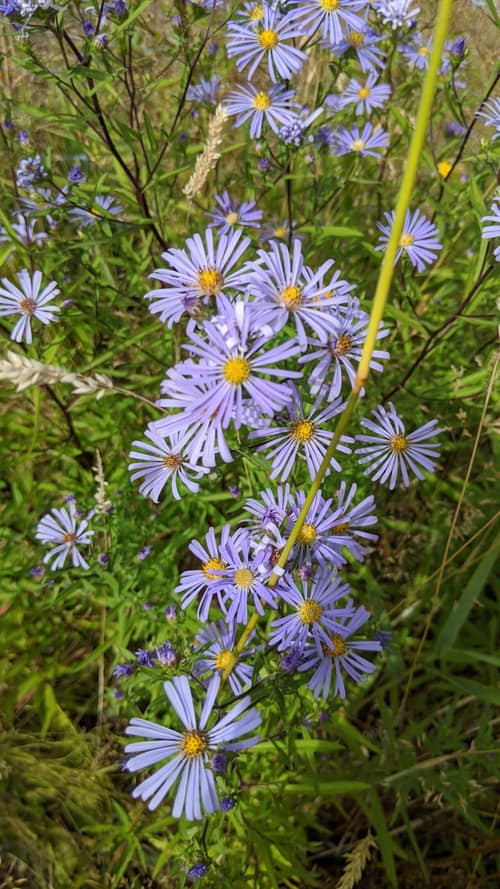
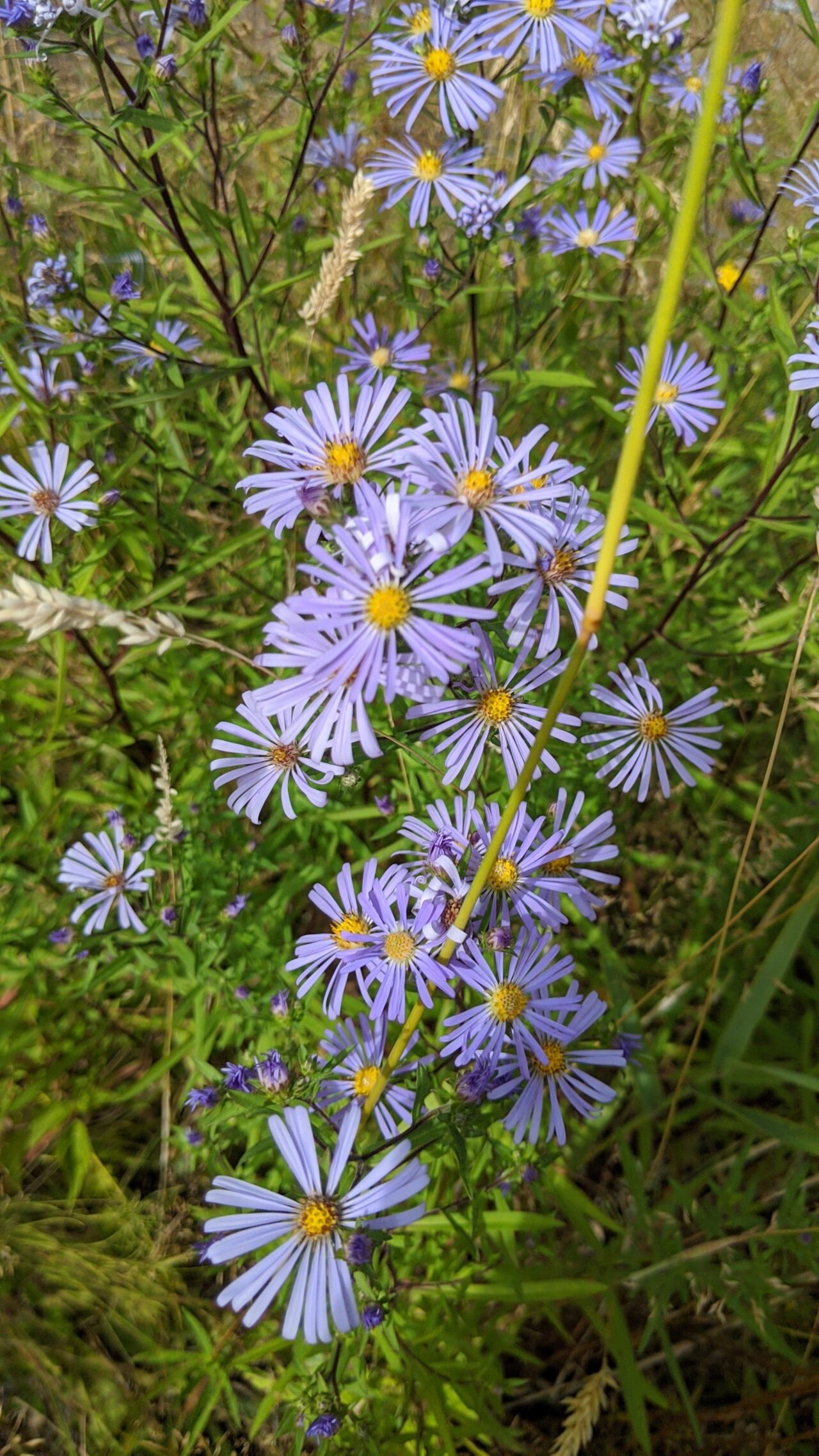
Douglas' Aster brings late-season color to moist coastal bluffs, stream margins, and damp meadows across western North America. Branching stems bear dense heads of violet ray petals surrounding yellow central discs that gradually shift to deep reddish-purple as they age. Dense clusters of these long-blooming composite flowers provide crucial autumn nectar for migrating butterflies, native bees, and other pollinators.
PerennialWildflowerPollinator Attractor
—observations
—countries
—peak records
Least ConcernConservation statusIUCN Red List categoriesLCNTVUENCREWEXLeast ConcernRed List categories, explained →
Diet & prey
- Sunlight
- Water
- Soil Nutrients
Predators
- Herbivorous Insects
- Deer
- Rabbits
ThreatsHabitat loss, invasive species competition
HabitatsCoastal bluffs, damp meadows, stream margins, roadsides
Life spanPerennial (several to many years)
Size / weightNot available
Classification
- FamilyAsteraceae
- SpeciesSymphyotrichum subspicatum
Range data is not available yet.
Interaction riskLow
- Low
- Moderate
- High
- Very high
- Why interaction risk is low
- Safe to observe at a normal distance.
Responsible observation
- Best Viewing Time: Look for vibrant violet blooms along coastal and meadow trails from late summer through mid-autumn.
- Gardening Use: Plant in sunny, moist garden spots to provide vital late-season pollen and nectar for native insects.
- Identification: Check for violet ray petals surrounding central yellow discs that turn reddish as the flower matures.
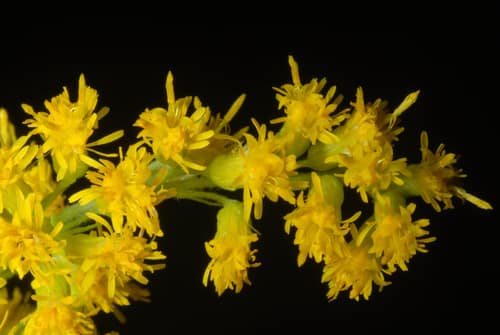
Frequent Companion (c) Douglas Goldman, some rights reserved (CC BY-SA), uploaded by Douglas Goldman · cc-by-sa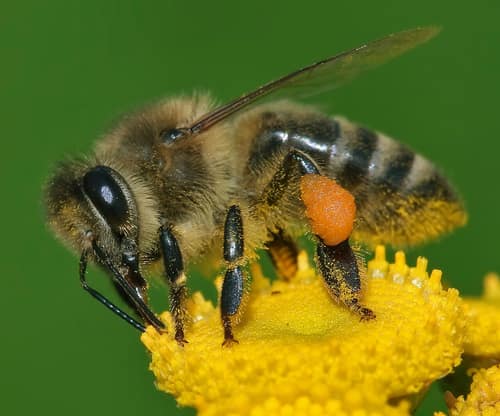
Pollinator Andreas Trepte / CC BY-SA 2.5 · cc-by-sa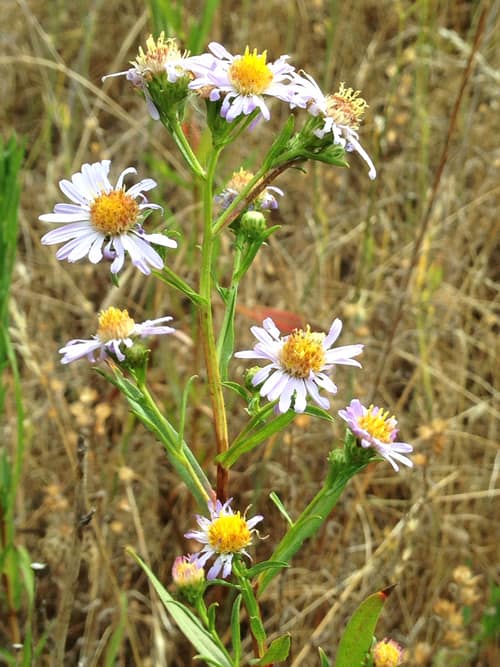
Close Relative (c) Ken-ichi Ueda, some rights reserved (CC BY), uploaded by Ken-ichi Ueda · cc-by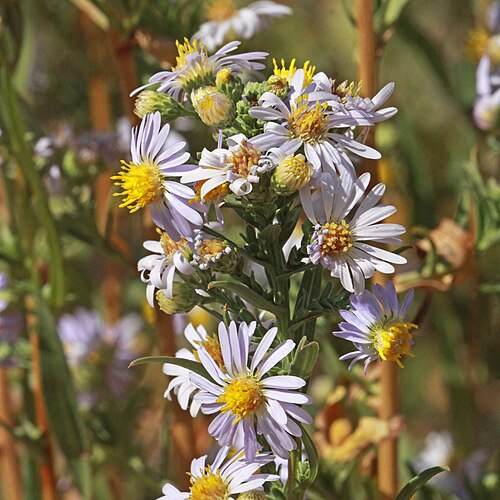
Close Relative Andrey Zharkikh from Salt Lake City, USA / CC BY 2.0 · cc-by
Help improve the field guideSomething wrong?
Checking your Fauna account…Report a name, category, or profile issue for review.