
Plant · GBIF taxon 3151618
New England Aster
Symphyotrichum novae-angliaeAlso known as Hairy Michaelmas-Daisy, Michaelmas Daisy
New England aster puts on a vibrant late-season display, crowding fields and meadows with dense clusters of rich purple to pink ray flowers surrounding bright yellow centers. Its hairy stems and clasping leaf bases distinguish it from similar late-blooming composites across central and eastern North America. As one of the final crucial nectar sources of autumn, this sturdy perennial plays a vital role fueling migrating monarch butterflies and overwintering native bees.
Late BloomerNative WildflowerPollinator Magnet
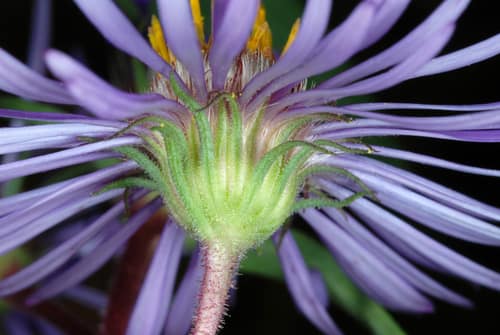
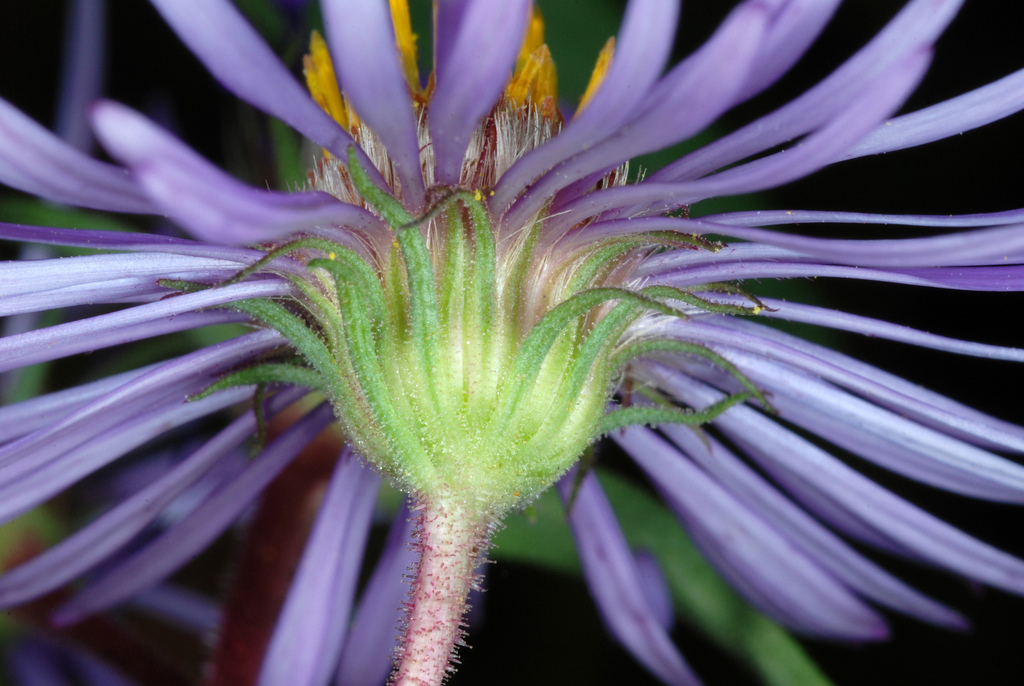 1 / 7
1 / 7—observations
—countries
—peak records
Least ConcernConservation statusIUCN Red List categoriesLCNTVUENCREWEXLeast ConcernRed List categories, explained →
Diet & prey
- Sunlight
- Water
- Soil Minerals
Predators
- White-Tailed Deer
- Cottontail Rabbits
- Aster Leaf Miner Larvae
ThreatsHabitat loss, invasive species, early roadside mowing
HabitatsMeadows, prairies, fields, roadsides, wet thickets
Life spanPerennial
Classification
- OrderAsterales
- FamilyAsteraceae
- GenusSymphyotrichum
- SpeciesSymphyotrichum novae-angliae
Range data is not available yet.
Interaction riskLow
- Low
- Moderate
- High
- Very high
- Why interaction risk is low
- Safe to observe at a normal distance.
Responsible observation
- Autumn Spotting: Look for intense purple blooms along sunny field edges from late summer through October.
- Garden Planting: Pair with goldenrods in native gardens to create a striking yellow and purple color contrast.
- Pollinator Watching: Visit on warm fall afternoons to see migrating monarchs and native bees feeding.
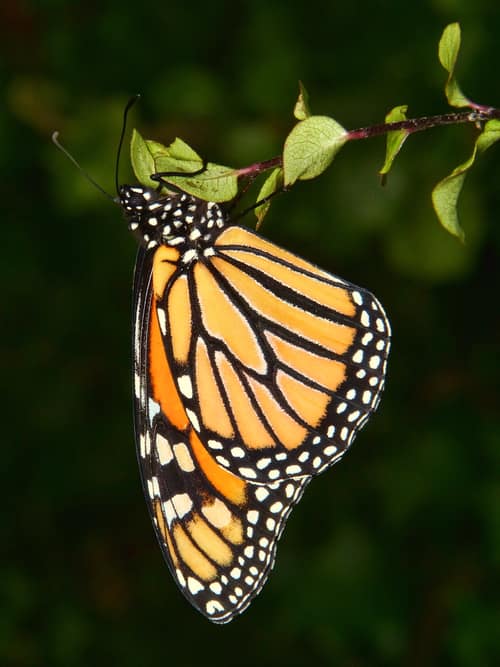
Pollinator Sid Mosdell from New Zealand / CC BY 2.0 · cc-by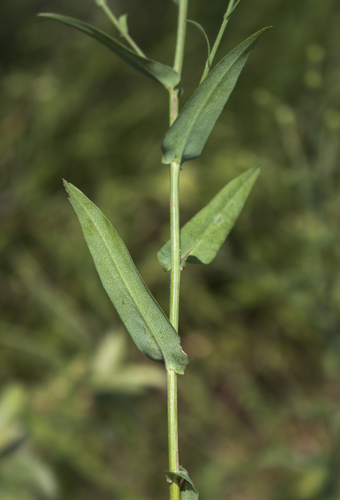
Close Relative (c) aarongunnar, some rights reserved (CC BY), uploaded by aarongunnar · cc-by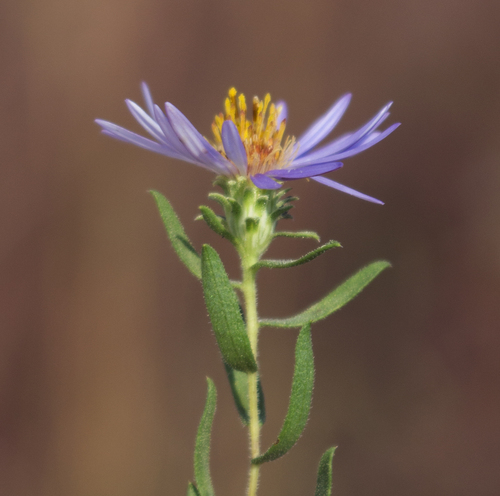
Close Relative (c) aarongunnar, some rights reserved (CC BY), uploaded by aarongunnar · cc-by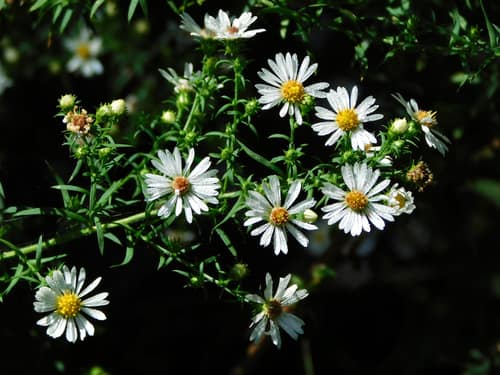
Close Relative (c) Michael J. Papay, some rights reserved (CC BY), uploaded by Michael J. Papay · cc-by
Help improve the field guideSomething wrong?
Checking your Fauna account…Report a name, category, or profile issue for review.