
Plant · GBIF taxon 3151558
New York Aster
Symphyotrichum novi-belgiiAlso known as Michaelmas Daisy
New York aster brightens coastal marshes and damp meadows with vibrant lavender-blue blossoms that persist late into autumn. Dense sprays of starry flower heads provide a critical late-season nectar source for migrating butterflies and wintering bees. Smooth, lance-shaped leaves line sturdy branching stems, forming bushy clumps that anchor delicate wetland soils.
Late BloomPollinator MagnetWetland Native
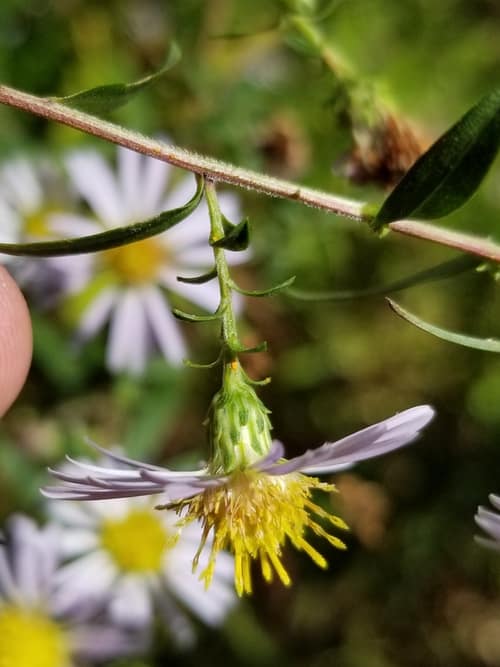
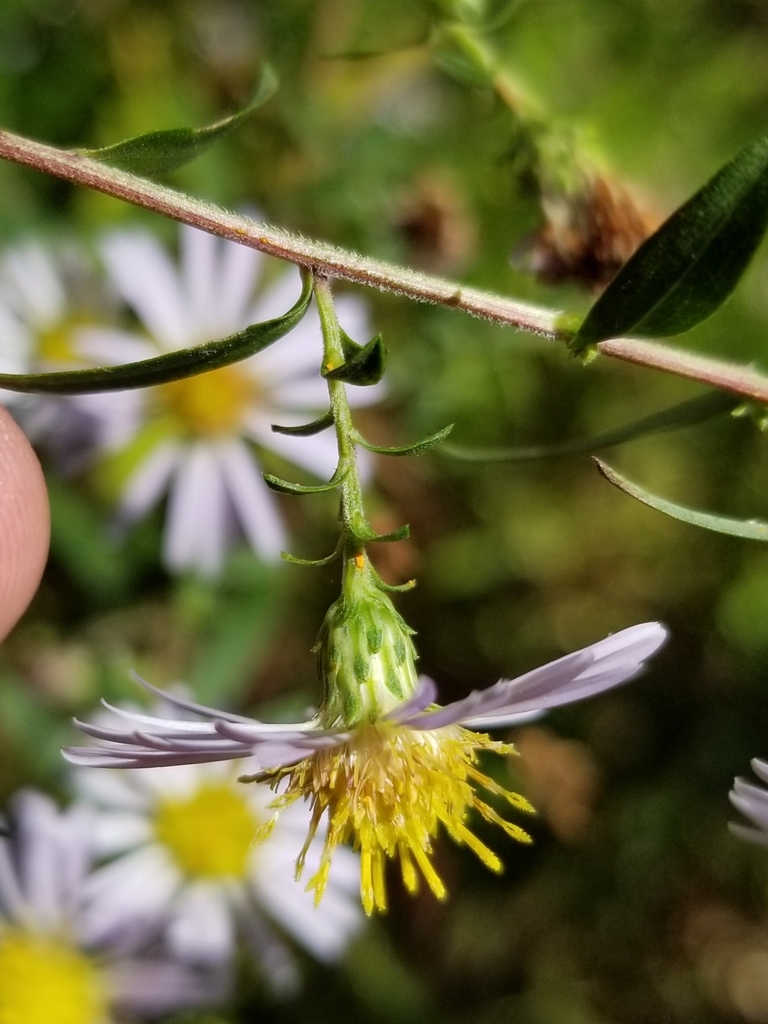 1 / 7
1 / 7—observations
—countries
—peak records
Least ConcernConservation statusIUCN Red List categoriesLCNTVUENCREWEXLeast ConcernRed List categories, explained →
Diet & prey
- Sunlight
- Water
- Soil Nutrients
Predators
- White-tailed Deer
- Eastern Cottontail
- Insect Larvae
ThreatsCoastal development, wetland draining, invasive plants
HabitatsCoastal marshes, damp meadows, stream banks, ditches
Life spanPerennial (5–10+ years)
Classification
- OrderAsterales
- FamilyAsteraceae
- GenusSymphyotrichum
- SpeciesSymphyotrichum novi-belgii
Range data is not available yet.
Interaction riskLow
- Low
- Moderate
- High
- Very high
- Why interaction risk is low
- Safe to observe at a normal distance.
Responsible observation
- Garden Placement: Plant in full sun with moist soil to encourage full, bushy growth.
- Pollinator Observation: Watch flower heads during sunny autumn afternoons for migrating butterflies.
- Winter Care: Leave dried seed heads standing through winter to feed native songbirds.
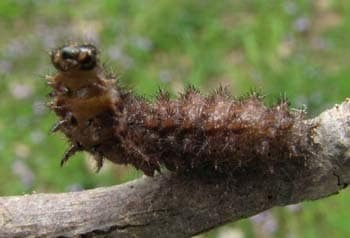
Larval Host (c) Beatriz Moisset, some rights reserved (CC BY-SA) · cc-by-sa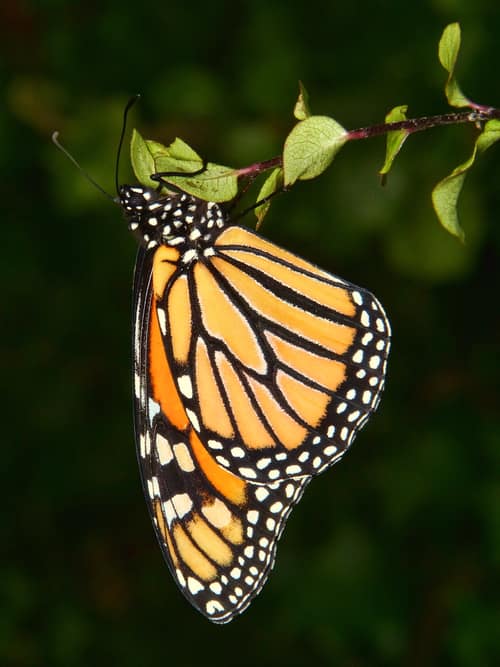
Pollinator Sid Mosdell from New Zealand / CC BY 2.0 · cc-by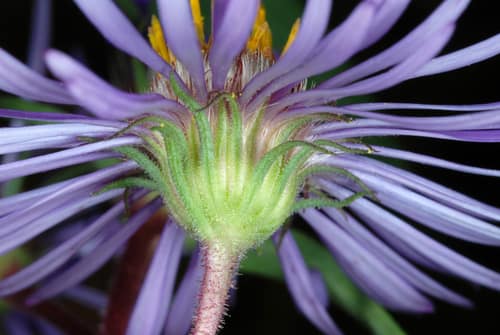
Close Relative (c) Douglas Goldman, some rights reserved (CC BY-SA), uploaded by Douglas Goldman · cc-by-sa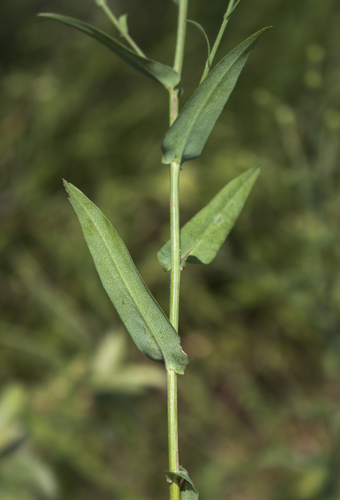
Close Relative (c) aarongunnar, some rights reserved (CC BY), uploaded by aarongunnar · cc-by
Help improve the field guideSomething wrong?
Checking your Fauna account…Report a name, category, or profile issue for review.