
Flower
Heath Aster
Symphyotrichum ericoidesAlso known as White Heath Aster, Frost Aster, Many-flowered Aster, Squarrose White Aster
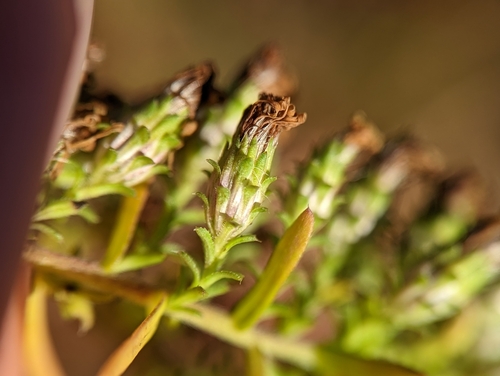
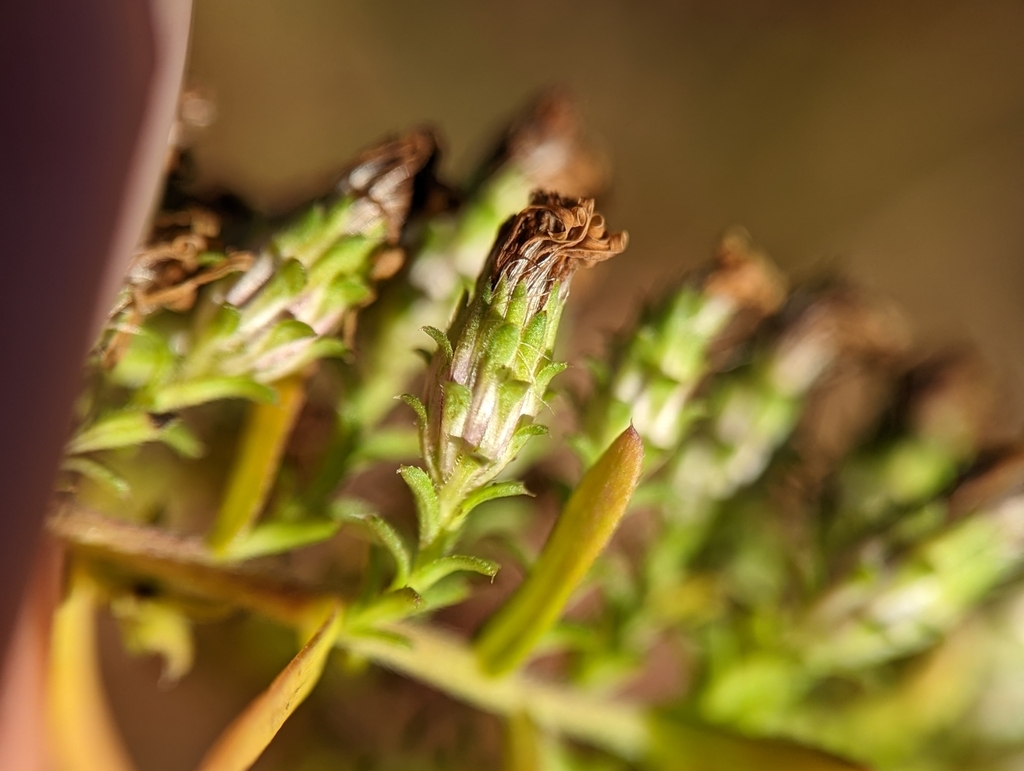
Heath asters light up open prairies and dry roadsides from late summer into autumn with clouds of tiny, daisy-like flower heads. Rigid, branched stems lined with fine, needle-like foliage support hundreds of white ray florets around yellow centers that turn reddish purple once pollinated. They spread steadily via underground rhizomes to form resilient colonies that provide vital late-season nectar for migrating butterflies and overwintering bees.
WildflowerPollinator-FriendlyDrought-Tolerant
—observations
—countries
—peak records
Least ConcernConservation statusIUCN Red List categoriesLCNTVUENCREWEXLeast ConcernRed List categories, explained →
Diet & preyAutotrophic (photosynthesis)
Predators
- White-tailed Deer
- Eastern Cottontail
- Livestock
ThreatsOvergrowth by woody invasive species, habitat fragmentation, and heavy herbicide applications
HabitatsPrairies, open meadows, pastures, dry fields, roadsides, and open savannas
Life spanPerennial (indefinite via clonal rhizomes)
Classification
- OrderAsterales
- FamilyAsteraceae
- GenusSymphyotrichum
- SpeciesSymphyotrichum ericoides
Range data is not available yet.
Interaction riskLow
- Low
- Moderate
- High
- Very high
- Why interaction risk is low
- Safe to observe at a normal distance.
Responsible observation
- Timing: Look for peak blooms between August and October when few other plants are flowering.
- Pollinator watching: Stand quietly beside blooming clumps to spot native solitary bees and migrating butterflies.
- Identification: Note the tiny, heather-like upper leaves and prickly green bracts beneath each flower head.
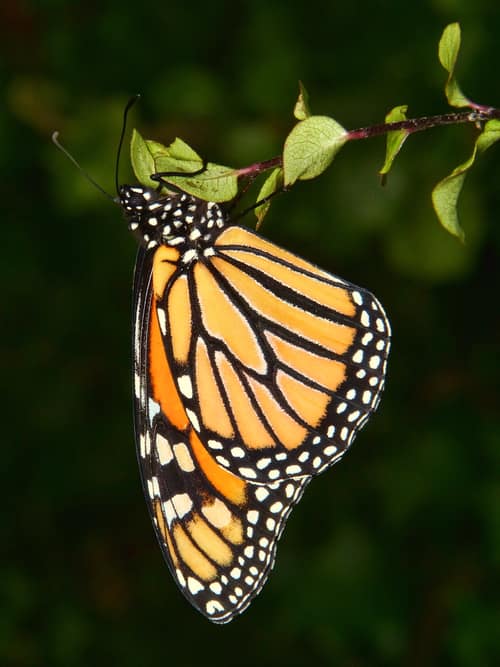
Pollinator Sid Mosdell from New Zealand / CC BY 2.0 · cc-by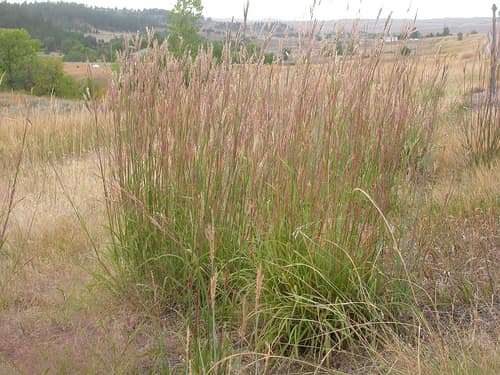
Frequent Companion Matt Lavin from Bozeman, Montana, USA / CC BY-SA 2.0 · cc-by-sa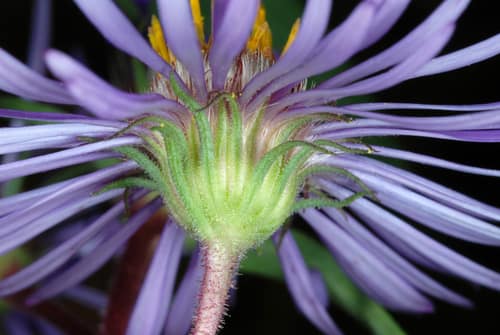
Close Relative (c) Douglas Goldman, some rights reserved (CC BY-SA), uploaded by Douglas Goldman · cc-by-sa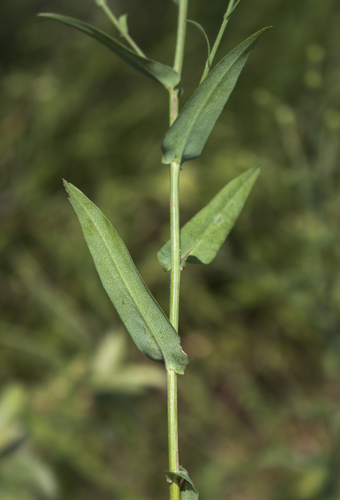
Close Relative (c) aarongunnar, some rights reserved (CC BY), uploaded by aarongunnar · cc-by
Help improve the field guideSomething wrong?
Checking your Fauna account…Report a name, category, or profile issue for review.