
Plant · GBIF taxon 3151533
Western Mountain Aster
Symphyotrichum spathulatumAlso known as Spatulate Aster
Western mountain aster brightens montane and subalpine meadows across western North America with dense clusters of violet-rayed, golden-centered flowerheads. Spreading steadily through underground rhizomes, it often forms low colonies along damp stream margins, aspen stands, and open conifer forest borders. These late-season blooms provide a critical pulse of nectar and pollen for bumblebees, hoverflies, and butterflies preparing for autumn diapause.
WildflowerPollinator FavoriteMontane
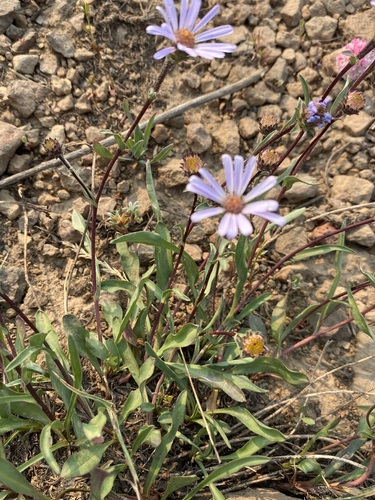
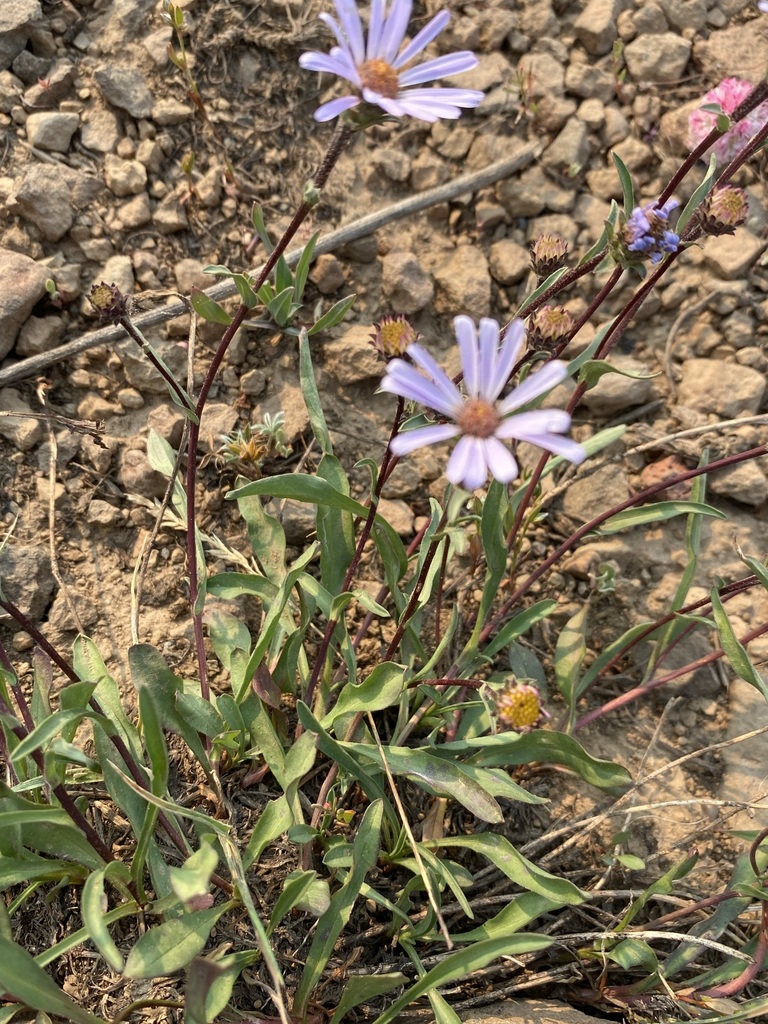 1 / 7
1 / 7—observations
—countries
—peak records
Not EvaluatedConservation statusIUCN Red List categoriesLCNTVUENCREWEXNot Evaluated — not placed on the risk ladderRed List categories, explained →
Diet & prey
- Autotrophic (photosynthetic)
Predators
- Mule Deer
- Elk
- Grasshoppers
ThreatsMeadow overgrazing, hydrological alteration, and invasive plant competition
HabitatsMontane meadows, subalpine openings, stream banks, and moist coniferous woodlands
Life spanPerennial (several decades via clonal rhizomes)
Size / weightNot available
Classification
- FamilyAsteraceae
- SpeciesSymphyotrichum spathulatum
Range data is not available yet.
Interaction riskLow
- Low
- Moderate
- High
- Very high
- Why interaction risk is low
- Safe to observe at a normal distance.
Responsible observation
- Meadow Etiquette: Stick to designated trails when exploring subalpine meadows to prevent soil compaction around fragile root systems.
- Macro Photography: Early mornings offer calm winds and active bumblebees basking on open flower disks.

Pollinator (c) Brett/Tele, some rights reserved (CC BY), uploaded by Brett/Tele · cc-by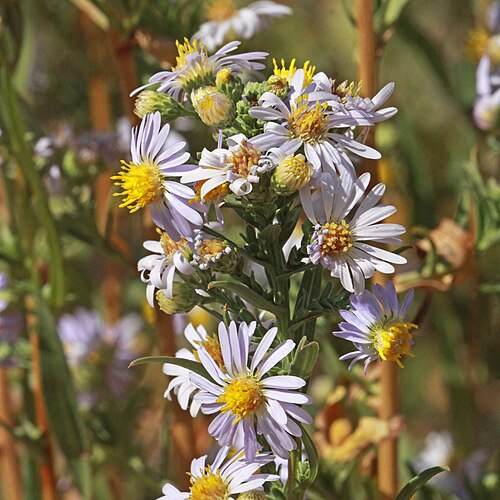
Close Relative Andrey Zharkikh from Salt Lake City, USA / CC BY 2.0 · cc-by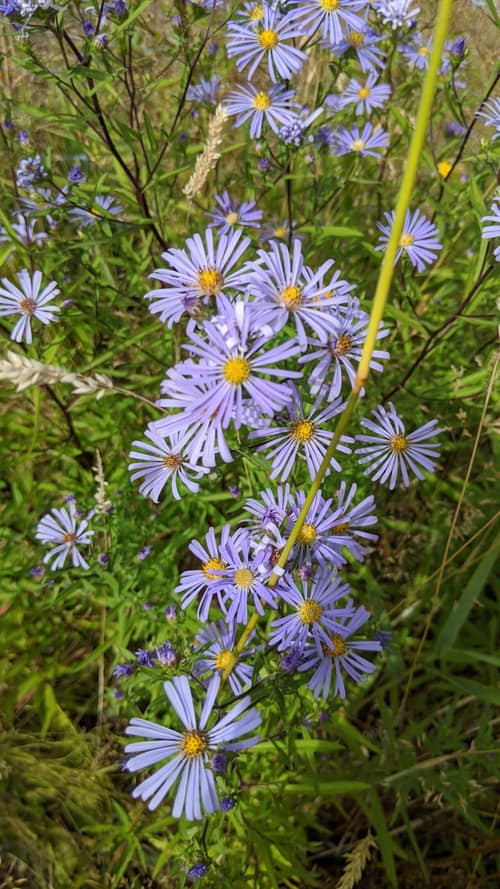
Close Relative Jan Smith / CC BY 4.0 · cc-by
Help improve the field guideSomething wrong?
Checking your Fauna account…Report a name, category, or profile issue for review.