
Plant · GBIF taxon 3151505
Western Aster
Symphyotrichum ascendensAlso known as Long-leaved Aster, Rocky Mountain Aster
Western asters bring rich lavender and violet hues to open meadows and sagebrush slopes across western North America each late summer. Spreading via creeping underground rhizomes, these hardy perennials supply vital late-season nectar to migrating butterflies and native bees preparing for winter. Their narrow, ascending leaves and adaptability allow them to flourish from dry valleys up to subalpine elevations.
NativeLate BloomWildflower
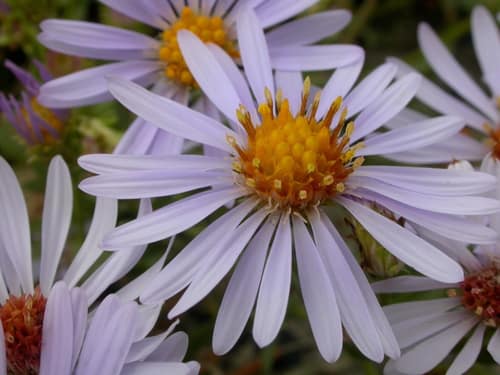
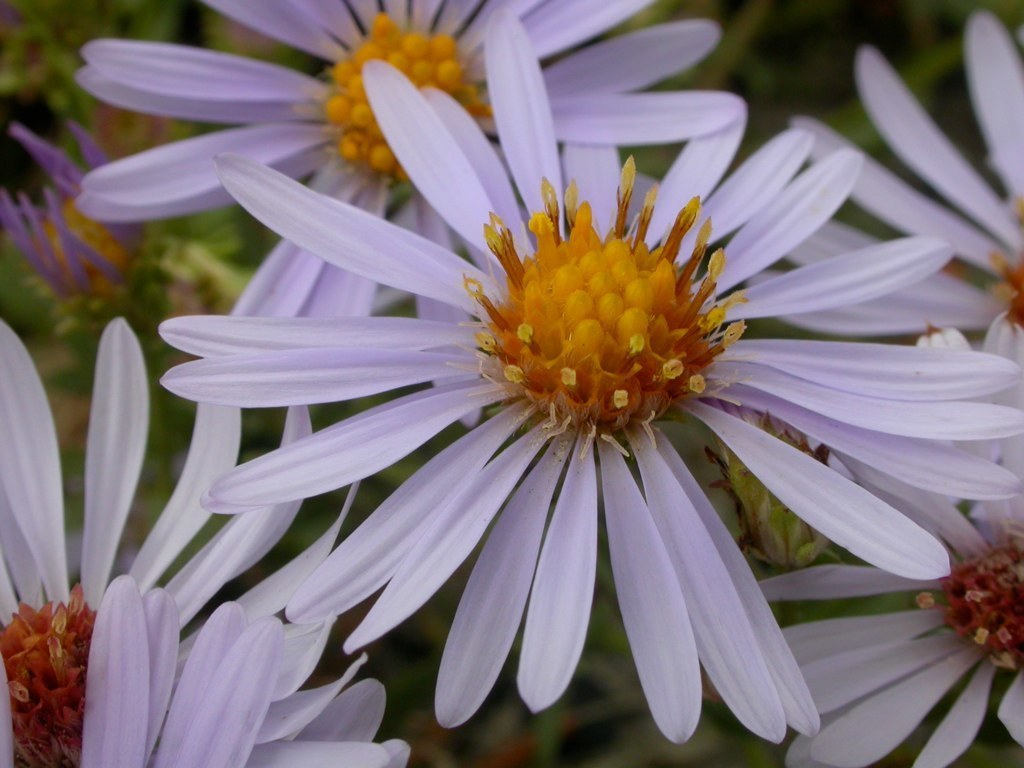
—observations
—countries
—peak records
Least ConcernConservation statusIUCN Red List categoriesLCNTVUENCREWEXLeast ConcernRed List categories, explained →
Diet & prey
- Photosynthetic
Predators
- Mule Deer
- Elk
- Caterpillars
ThreatsHabitat loss, invasive weed competition, overgrazing
HabitatsMeadows, open woodlands, sagebrush scrub, roadsides
Life spanPerennial (5–10+ years)
Size / weightNot available
Classification
- OrderAsterales
- FamilyAsteraceae
- GenusSymphyotrichum
- SpeciesSymphyotrichum ascendens
Range data is not available yet.
Interaction riskLow
- Low
- Moderate
- High
- Very high
- Why interaction risk is low
- Safe to observe at a normal distance.
Responsible observation
- Observe Pollinators: Look closely during peak sunny hours when native bees and butterflies cluster on the blooms.
- Check Leaves: Look for narrow, stem-clasping leaves to distinguish it from other purple composites.
- Avoid Trampling: Stay on established trails when viewing subalpine meadows to protect fragile root systems.
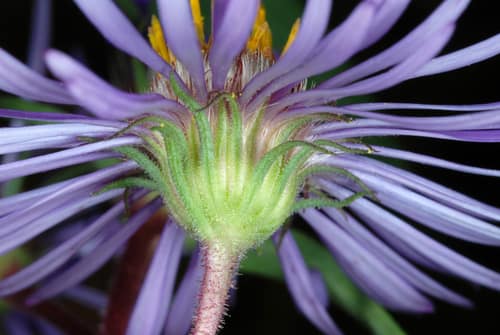
Congener (c) Douglas Goldman, some rights reserved (CC BY-SA), uploaded by Douglas Goldman · cc-by-sa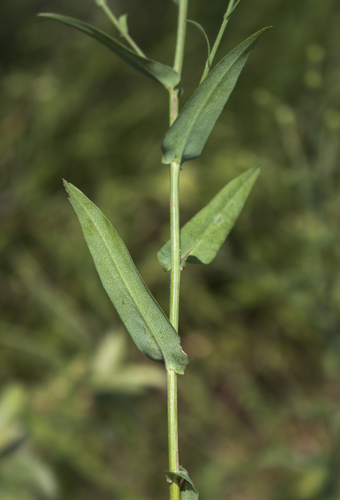
Congener (c) aarongunnar, some rights reserved (CC BY), uploaded by aarongunnar · cc-by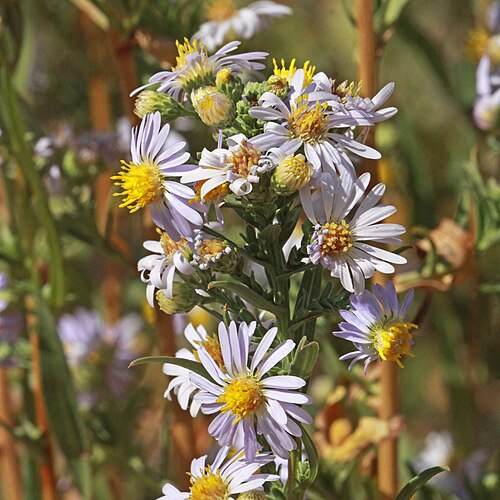
Congener Andrey Zharkikh from Salt Lake City, USA / CC BY 2.0 · cc-by
Help improve the field guideSomething wrong?
Checking your Fauna account…Report a name, category, or profile issue for review.