
Plant
Hall's Aster
Symphyotrichum halliiAlso known as Hall's American Aster
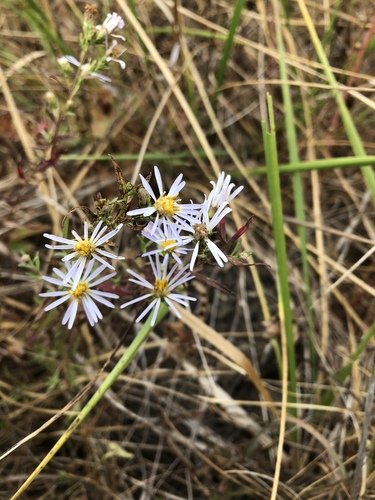
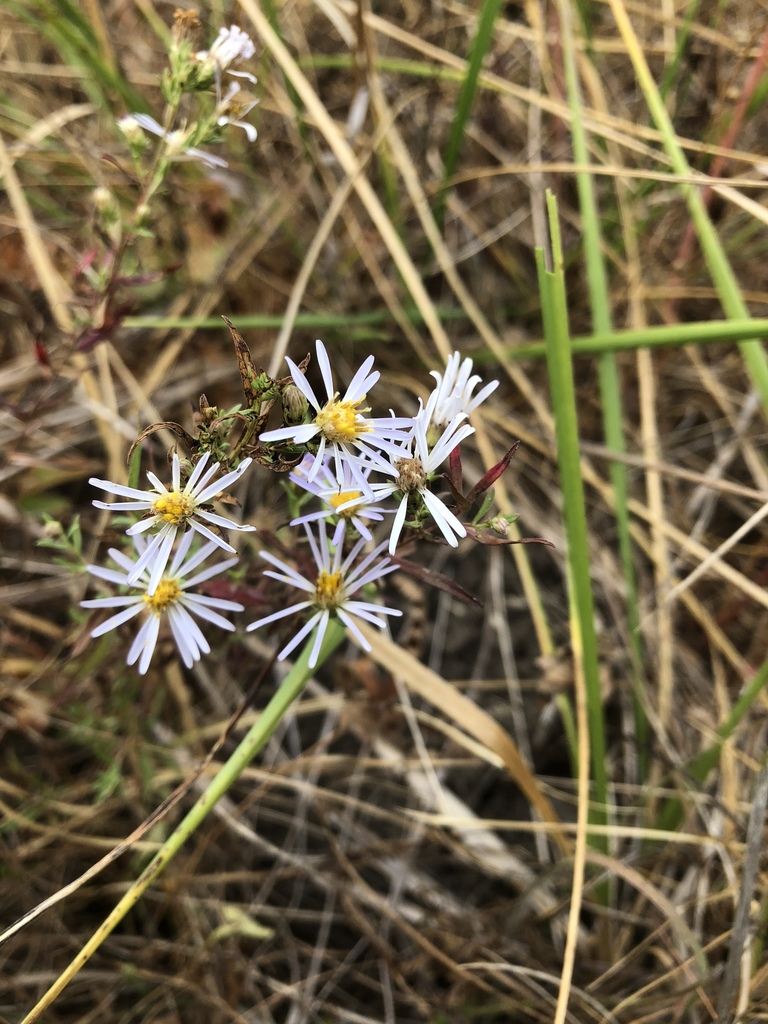
Hall's aster forms expansive, resilient colonies across remnant Pacific Northwest grasslands through an extensive network of creeping rhizomes. White ray florets encircle bright yellow central disks from midsummer into early autumn, offering a critical late-season nectar stop for foraging native bees and butterflies. Highly adapted to seasonal drought, it endures dry summer prairie conditions while maintaining vibrant floral displays in gravelly, well-drained soils.
Pacific NorthwestPrairie NativeWhite Blooms
—observations
—countries
—peak records
Not EvaluatedConservation statusIUCN Red List categoriesLCNTVUENCREWEXNot Evaluated — not placed on the risk ladderRed List categories, explained →
Diet & preyAutotrophic (photosynthetic)
Predators
- Mule Deer
- Voles
- Invertebrate Herbivores
ThreatsAgricultural development, invasive pasture grasses, and fire suppression
HabitatsNative prairies, oak savannas, grasslands, and dry open roadsides
Life spanPerennial (indefinite via rhizomes)
Classification
- FamilyAsteraceae
- SpeciesSymphyotrichum hallii
Range data is not available yet.
Interaction riskLow
- Low
- Moderate
- High
- Very high
- Why interaction risk is low
- Safe to observe at a normal distance.
- What to notice
- Look for low patches of white-rayed flowers along native prairie remnants and oak savannas.
- Support conservation
- Refrain from picking stems or disturbing root systems to protect small and isolated populations.
Responsible observation
- Prairie Etiquette: Stay on designated trails to avoid trampling sensitive remnant grassland soils.
- Seasonal Timing: Search for open white blooms between late July and September.
- Identification Clue: Look for colonial growth patches bearing white petals and yellow centers.
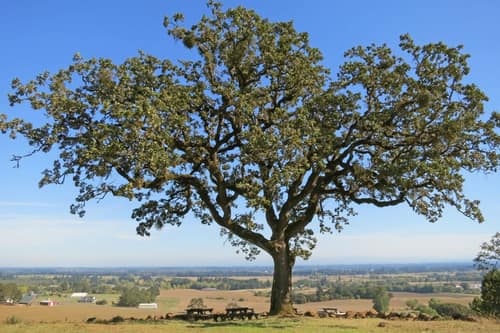
Habitat Partner (c) Ed Alverson, some rights reserved (CC BY), uploaded by Ed Alverson · cc-by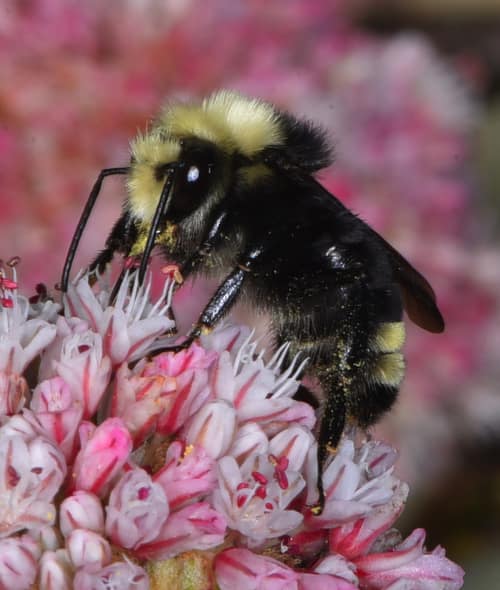
Pollinator (c) Don Loarie, some rights reserved (CC BY) · cc-by Image unavailable
Habitat Partner 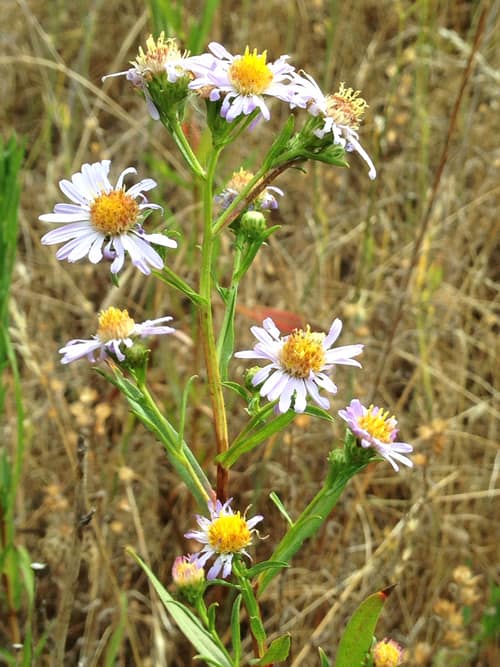
Close Relative (c) Ken-ichi Ueda, some rights reserved (CC BY), uploaded by Ken-ichi Ueda · cc-by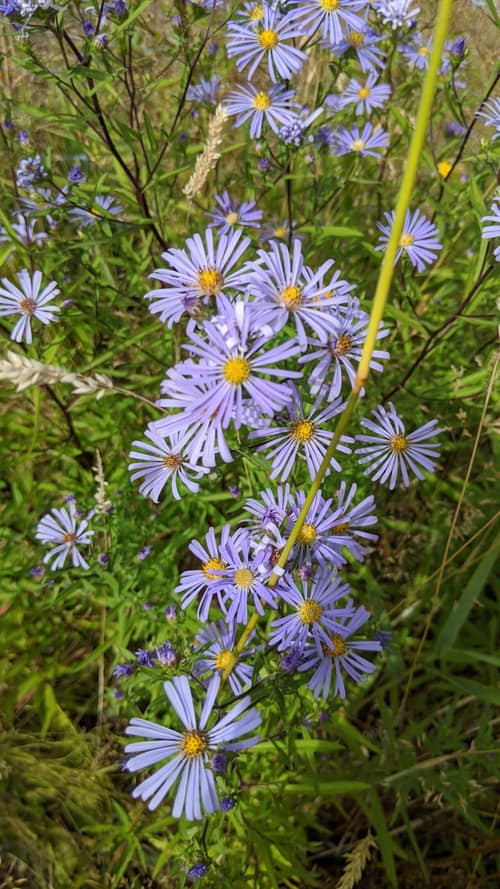
Close Relative Jan Smith / CC BY 4.0 · cc-by
Help improve the field guideSomething wrong?
Checking your Fauna account…Report a name, category, or profile issue for review.