
Plant · GBIF taxon 3151392
Pacific Aster
Symphyotrichum chilenseAlso known as Common California Aster, Coast Aster
Pacific asters carpet coastal dunes, salt marshes, and bluff tops with dense clusters of violet rays surrounding bright yellow centers throughout late summer and autumn. Spreading rapidly via creeping underground rhizomes, these native perennials form resilient patches that help stabilize sandy soils against strong sea winds. Their late-season nectar blooms serve as crucial refueling stations for migrating butterflies and native bees when few other flowers remain in bloom.
CoastalFloweringLate Bloomer
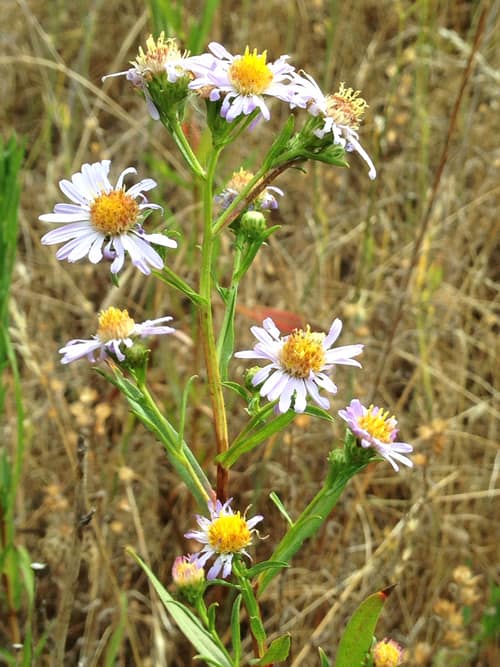
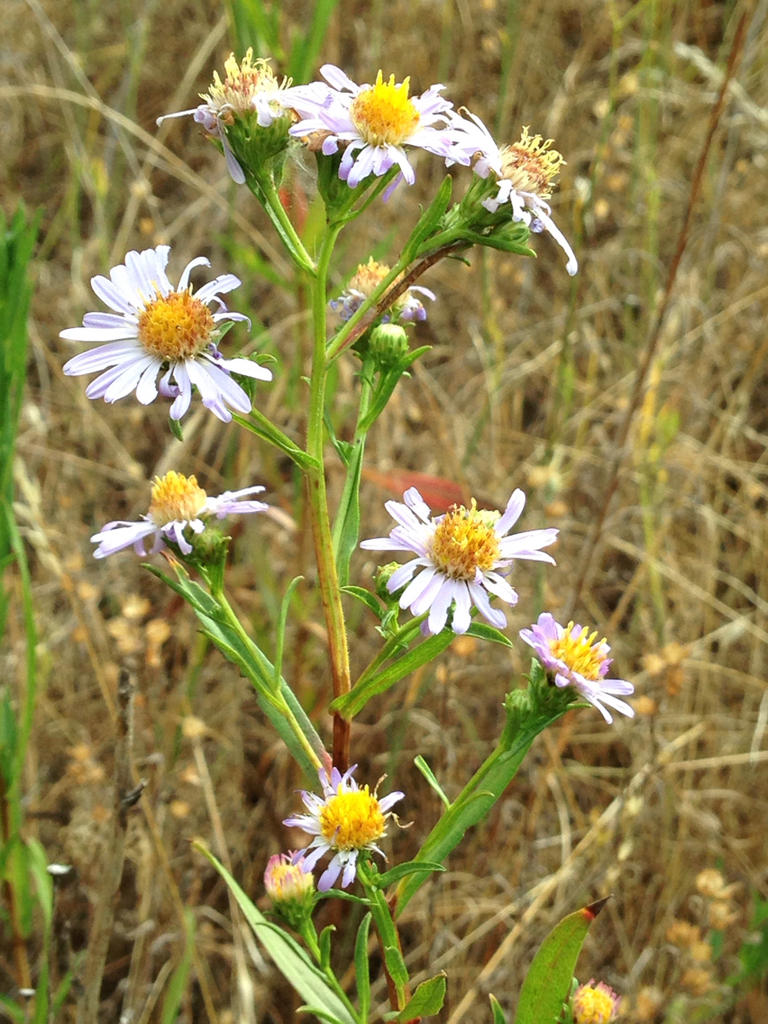 1 / 7
1 / 7—observations
—countries
—peak records
Least ConcernConservation statusIUCN Red List categoriesLCNTVUENCREWEXLeast ConcernRed List categories, explained →
Diet & prey
- Autotrophic (Photosynthetic)
Predators
- Black-tailed Deer
- Rabbits
- Caterpillars
ThreatsCoastal development, invasive plant competition, habitat fragmentation
HabitatsCoastal bluffs, sand dunes, salt marshes, grasslands, roadsides
Life spanPerennial
Size / weightNot available
Classification
- FamilyAsteraceae
- SpeciesSymphyotrichum chilense
Range data is not available yet.
Interaction riskLow
- Low
- Moderate
- High
- Very high
- Why interaction risk is low
- Safe to observe at a normal distance.
Responsible observation
- Best Viewing Time: Look for vibrant violet blooms along coastal trails from mid-summer through autumn.
- Native Landscaping: Plant in sunny gardens with well-drained soil to support local pollinators.
- Identification Clue: Look for dense floral displays and spreading rhizomatous growth near the coast.
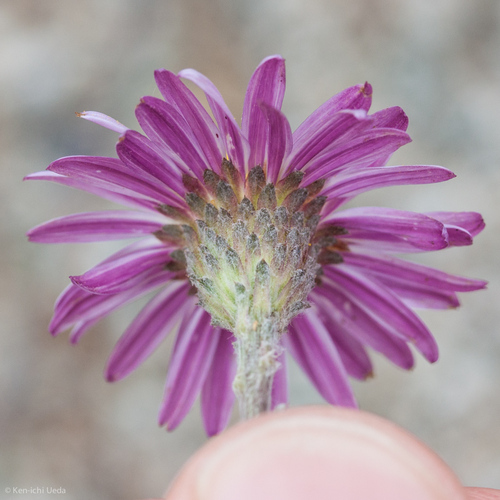
Look-Alike (c) Ken-ichi Ueda, some rights reserved (CC BY), uploaded by Ken-ichi Ueda · cc-by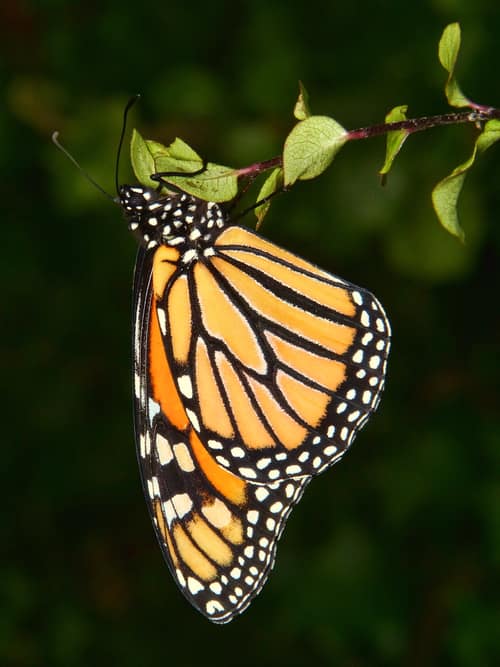
Pollinator Sid Mosdell from New Zealand / CC BY 2.0 · cc-by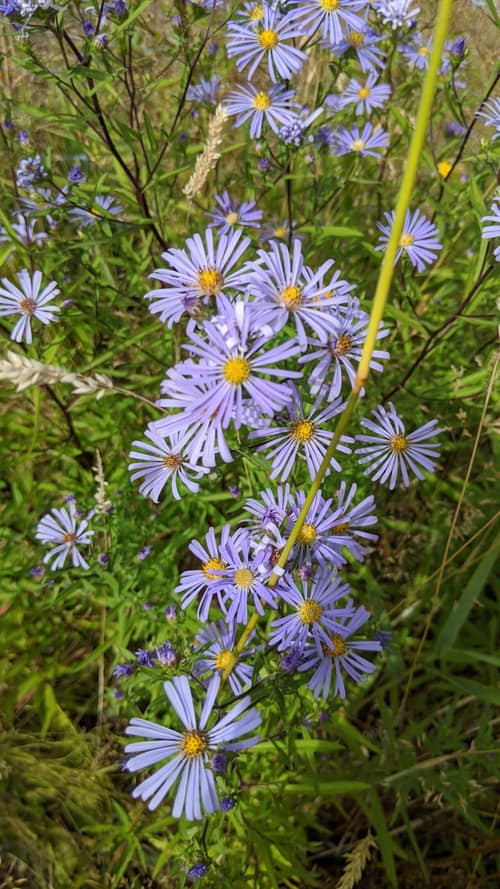
Close Relative Jan Smith / CC BY 4.0 · cc-by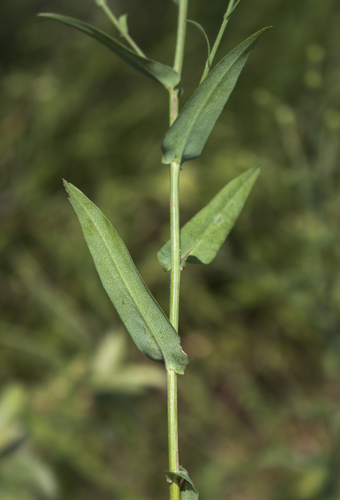
Close Relative (c) aarongunnar, some rights reserved (CC BY), uploaded by aarongunnar · cc-by
Help improve the field guideSomething wrong?
Checking your Fauna account…Report a name, category, or profile issue for review.