
Plant · GBIF taxon 3150919
Pale Purple Coneflower
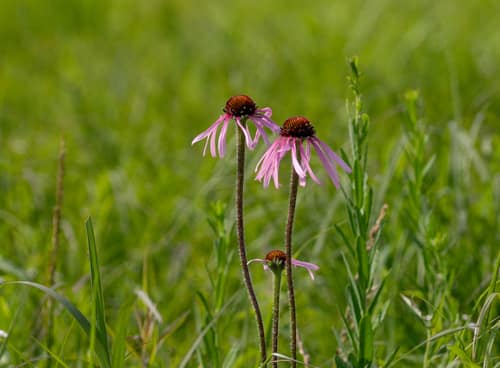
Echinacea pallidaPale purple coneflower holds a bristly copper cone above narrow rays that droop like a loose skirt. Its deep roots suit dry prairie soils, and the prominent flower heads support bees, butterflies, and seed-eating birds.
Prairie PerennialDrooping PetalsPollinator Plant

—observations
—countries
—peak records
Not EvaluatedConservation statusIUCN Red List categoriesLCNTVUENCREWEXNot Evaluated — not placed on the risk ladderRed List categories, explained →
Diet & prey
- Photosynthesis; roots absorb water and mineral nutrients
Predators
- Deer
- Rabbits
- Leaf-feeding insects
ThreatsPrairie conversion, herbicide drift, invasive plants, and destructive collection
HabitatsDry prairies, rocky glades, open woods, savannas, and sunny roadsides
Life spanA perennial that can persist for many growing seasons once established
Size / weightNot available
Classification
- OrderAsterales
- FamilyAsteraceae
- GenusEchinacea
- SpeciesEchinacea pallida
Range data is not available yet.
Interaction riskLow
- Low
- Moderate
- High
- Very high
- Why interaction risk is low
- Photograph plants in place and leave roots, stems, and seed heads intact.
Responsible observation
- Shape: Look for thin pale rays hanging below a spiny central cone.
- Setting: Search sunny, well-drained prairie remnants rather than wet ground.
Help improve the field guideSomething wrong?
Checking your Fauna account…Report a name, category, or profile issue for review.