
Plant
Common Everlasting
Chrysocephalum apiculatumAlso known as Yellow Buttons
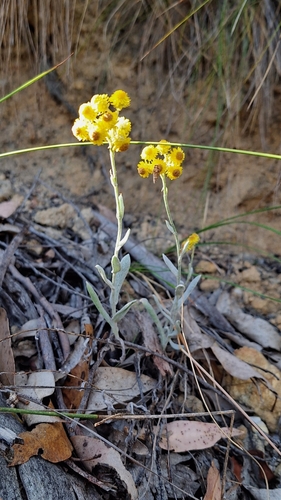
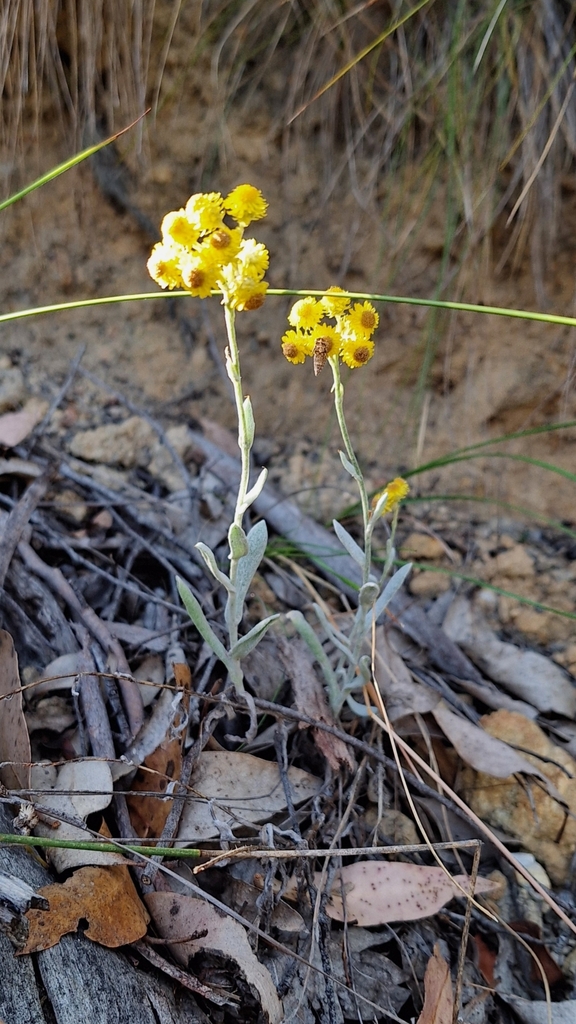
Common everlastings form low, spreading mounds of silvery-grey foliage topped with dense clusters of bright golden-yellow button flowers. Papery bracts surrounding each flower head hold their vivid color long after drying, giving the plant its lasting appeal in both gardens and wildflower meadows. Flowering from spring into autumn, the blooms draw native bees and hoverflies while the foliage feeds caterpillars of the Australian painted lady butterfly.
PerennialFloweringDrought-Tolerant
—observations
—countries
—peak records
Not EvaluatedConservation statusIUCN Red List categoriesLCNTVUENCREWEXNot Evaluated — not placed on the risk ladderRed List categories, explained →
Diet & preySunlight, Water, Soil nutrients
Predators
- Australian Painted Lady caterpillars
- European Rabbits
- Grazing livestock
ThreatsHabitat clearing for agriculture and urbanization, invasive weeds, and overgrazing by livestock and rabbits.
HabitatsOpen woodlands, grasslands, heathlands, and mallee scrub across southern Australia.
Life spanPerennial, typically living 3 to 5 years in the wild.
Classification
- OrderAsterales
- FamilyAsteraceae
- GenusChrysocephalum
- SpeciesChrysocephalum apiculatum
Range data is not available yet.
Interaction riskLow
- Low
- Moderate
- High
- Very high
- Why interaction risk is low
- Safe to observe at a normal distance.
Responsible observation
- Inspect the Bracts: Gently touch the papery yellow bracts around the flower head to feel why the blooms stay crisp even when dry.
- Watch for Pollinators: Pause beside sunlit patches in spring and summer to spot native bees, hoverflies, and painted lady butterflies.
- Leave Wild Plants Intact: Enjoy the blooms in place rather than picking them, as wildflower patches support local insect populations.
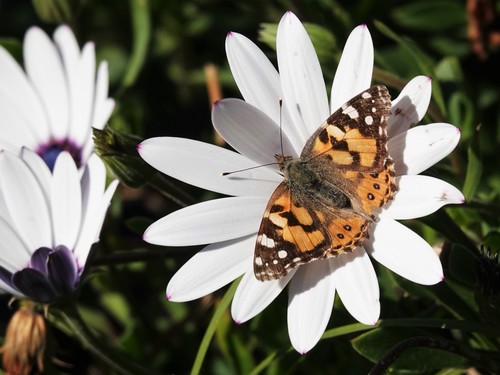
Pollinator (c) Jacqui Geux, some rights reserved (CC BY), uploaded by Jacqui Geux · cc-by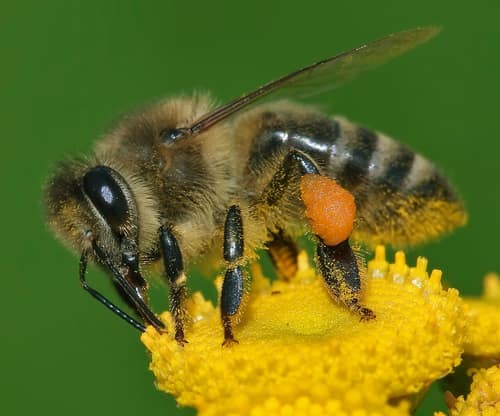
Pollinator Andreas Trepte / CC BY-SA 2.5 · cc-by-sa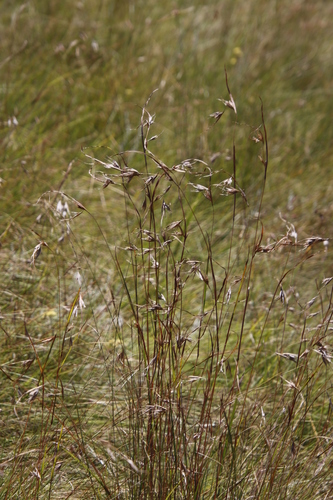
Frequent Companion (c) Tony Rebelo, some rights reserved (CC BY-SA), uploaded by Tony Rebelo · cc-by-sa Image unavailable
Close Relative Same Family
Help improve the field guideSomething wrong?
Checking your Fauna account…Report a name, category, or profile issue for review.