
Plant
Snake Ragwort
Curio repensAlso known as Blue Chalksticks, Blue Chalk Fingers
Low-growing and remarkably drought-resilient, this South African succulent carpets dry rocky ground with dense clusters of powdery, upward-curving blue-grey leaves. A waxy white bloom coats each fleshy leaf, reflecting intense ultraviolet light and conserving moisture during extended droughts. Small pom-poms of creamy white to pale yellow disc florets rise above the silvery foliage on slender stalks from midsummer to early autumn.
SucculentDrought-TolerantGroundcover
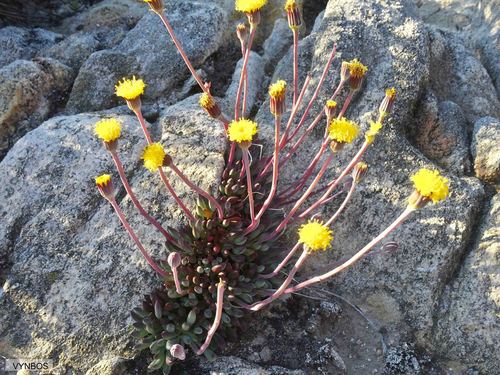
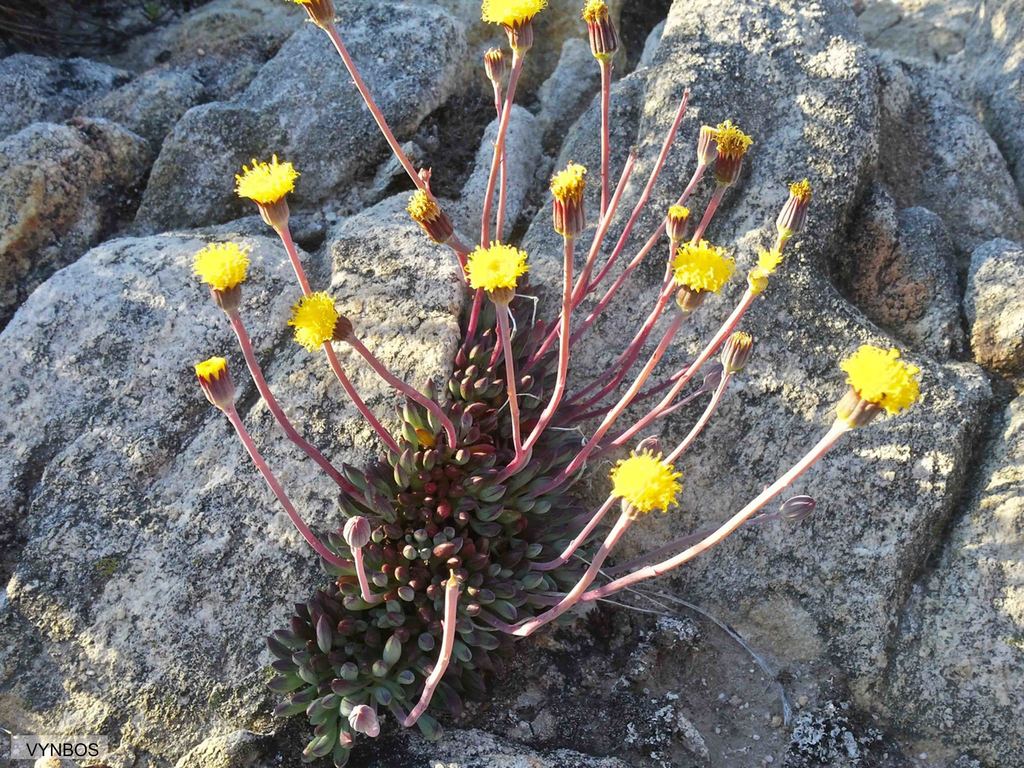
—observations
—countries
—peak records
Least ConcernConservation statusIUCN Red List categoriesLCNTVUENCREWEXLeast ConcernRed List categories, explained →
Diet & preySunlight, Water, Soil minerals
Predators
- Snails
- Slugs
- Mealybugs
ThreatsHabitat fragmentation, urbanization, and displacement by invasive plants
HabitatsRocky outcrops, dry scrublands, and coastal succulent karoo
Life span10–20 years
Classification
- OrderAsterales
- FamilyAsteraceae
- GenusCurio
- SpeciesCurio repens
Range data is not available yet.
Interaction riskHigh
- Low
- Moderate
- High
- Very high
- Why interaction risk is high
- Toxic to dogs, cats, and livestock if ingested; harmless to observe and touch.
- Why it is dangerous
- Contains pyrrolizidine alkaloids that cause cumulative liver damage and vomiting in cats and dogs.
- How to recognize a risky encounter
- Look for dense mats of chalky blue-green, finger-shaped fleshy leaves pointed upward.
- What to do
- Place away from grazing household pets and wash hands after pruning stem cuttings.
Responsible observation
- Sunlight: Observe or cultivate in direct sunlight to maintain the distinctive powdery blue hue.
- Watering: Ensure sandy, well-draining soil to prevent moisture accumulation and root rot.
- Handling: Avoid rubbing the foliage to protect the delicate waxy coating that prevents dehydration.
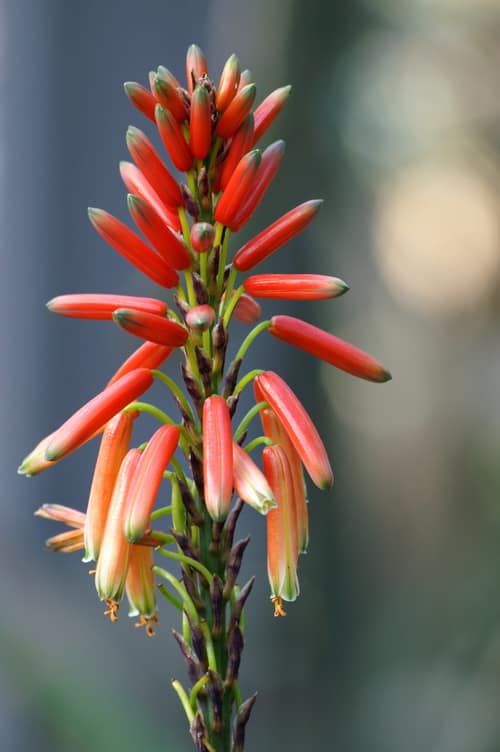
Neighbor (c) Rüdiger, some rights reserved (CC BY-SA) · cc-by-sa Image unavailable
Close Relative 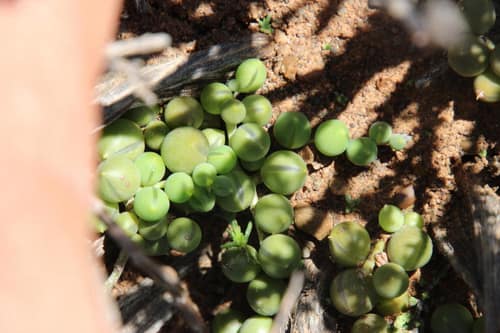
Close Relative (c) Tony Rebelo, some rights reserved (CC BY-SA), uploaded by Tony Rebelo · cc-by-saSame Family
Help improve the field guideSomething wrong?
Checking your Fauna account…Report a name, category, or profile issue for review.