
Plant
Tridax Daisy
Tridax procumbensAlso known as Coatbuttons
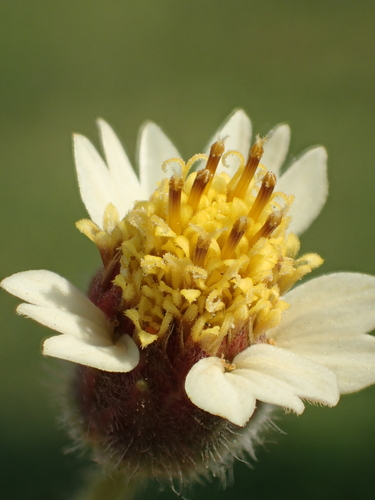
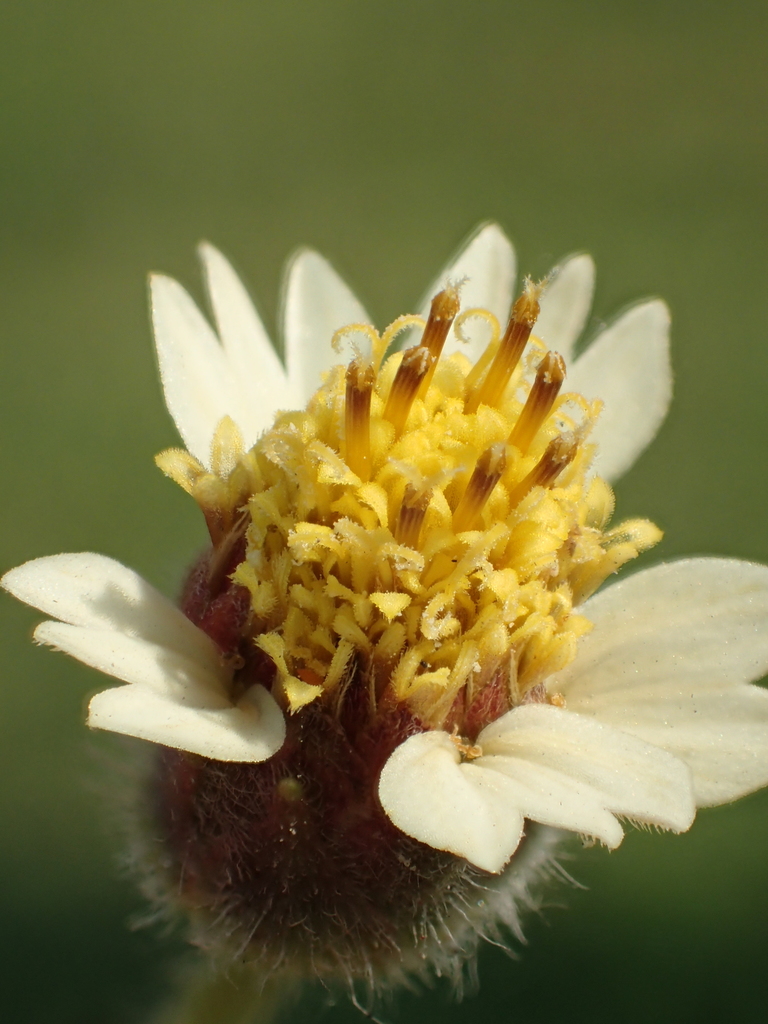
Tridax daisies sprawl across sunny roadsides, lawns, and disturbed ground on hairy, creeping stems that root at the nodes to form dense mats. Each upright flower stalk holds a single button-like head with a bright yellow center and creamy-white, three-toothed ray florets. Butterflies, bees, and hoverflies visit the blooms year-round in warm climates, while wind carries the feathery, plumed seeds into new clearings.
FloweringCreepingSun-Loving
—observations
—countries
—peak records
Not EvaluatedConservation statusIUCN Red List categoriesLCNTVUENCREWEXNot Evaluated — not placed on the risk ladderRed List categories, explained →
Diet & preySunlight, Water, Soil nutrients
Predators
- Grazing livestock
- Leaf-eating beetles
- Rabbits
ThreatsHerbicide control, mowing, and trampling in managed landscapes, though globally abundant
HabitatsDisturbed ground, roadsides, lawns, pastures, agricultural fields, and coastal sands
Life spanAnnual to short-lived perennial depending on climate
Classification
- OrderAsterales
- FamilyAsteraceae
- GenusTridax
- SpeciesTridax procumbens
Range data is not available yet.
Interaction riskLow
- Low
- Moderate
- High
- Very high
- Why interaction risk is low
- Safe to observe at a normal distance.
Responsible observation
- Leaf Check: Look for opposite, coarsely toothed leaves covered in stiff, bristly hairs.
- Flower Detail: Inspect the creamy-white outer ray florets to spot their distinctive three-lobed tips.
- Seed Dispersal: Notice how mature seed heads open into feathery parachutes that catch light breezes.
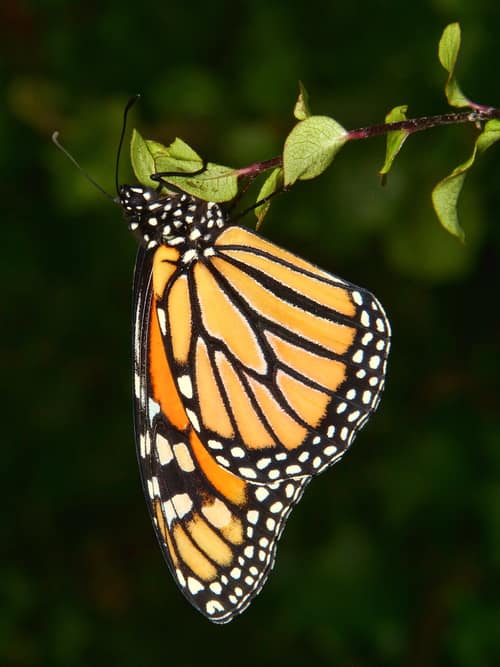
Pollinator Sid Mosdell from New Zealand / CC BY 2.0 · cc-by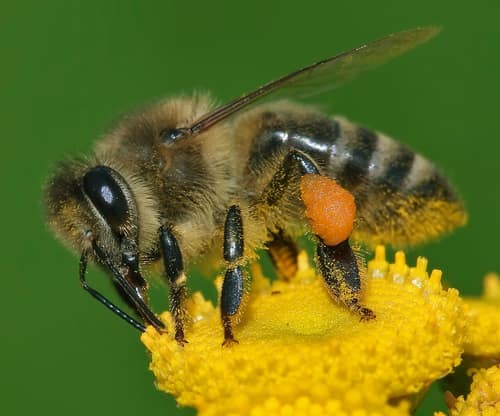
Pollinator Andreas Trepte / CC BY-SA 2.5 · cc-by-sa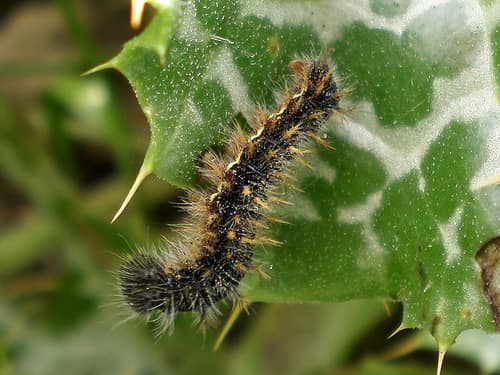
Pollinator no rights reserved, uploaded by Joan C. Hinojosa · cc0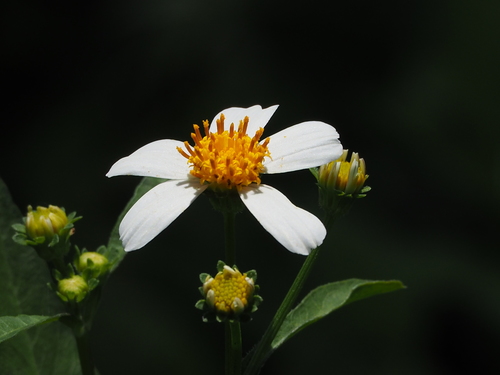
Same Family no rights reserved, uploaded by 葉子 · cc0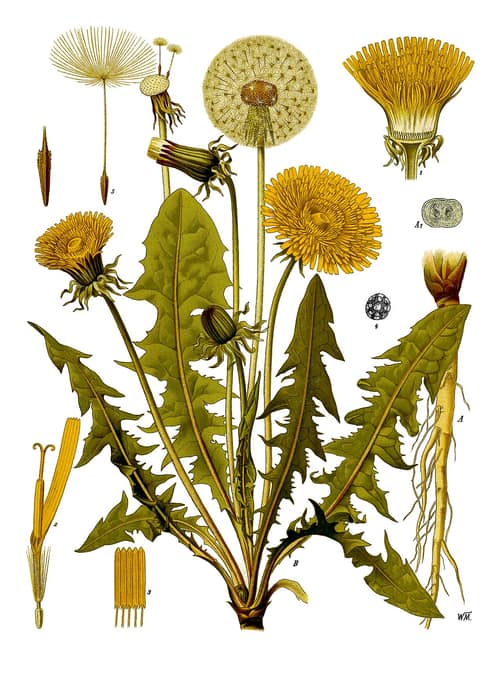
Same Family Walther Otto Müller / Public domain · cc0
Help improve the field guideSomething wrong?
Checking your Fauna account…Report a name, category, or profile issue for review.