
Plant · GBIF taxon 3148137
Frostweed
Verbesina virginicaAlso known as White Crownbeard, Virginia Crownbeard, Iceflower
Frostweed is famous for an extraordinary late-season physiological display, where freezing autumn temperatures cause moisture inside the lower stem to burst through the bark into delicate, curled ribbons of white ice. Throughout late summer and autumn, its prominent winged stems support dense heads of small white composite flowers that provide a critical nectar stopover for migrating monarch butterflies. Thriving in shaded bottomlands and forest margins, this sturdy perennial readily colonizes rich soils across the American Southeast.
WildflowerPollinator MagnetFlowering
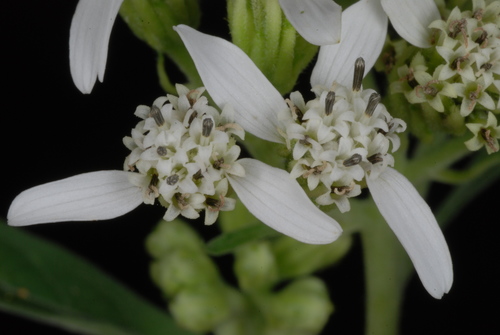
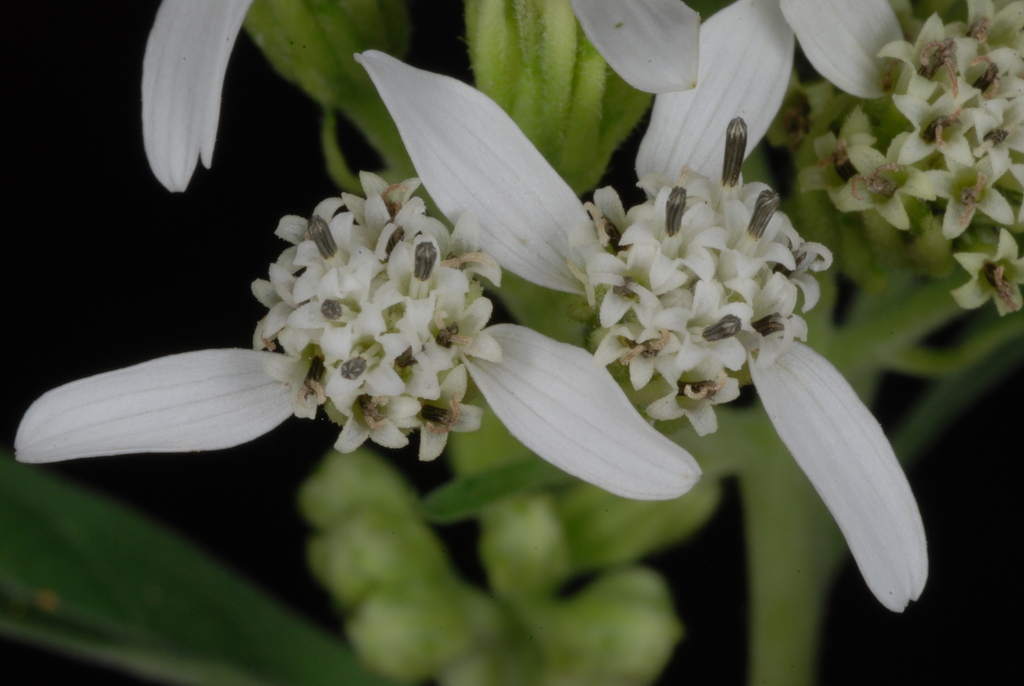 1 / 7
1 / 7—observations
—countries
—peak records
Least ConcernConservation statusIUCN Red List categoriesLCNTVUENCREWEXLeast ConcernRed List categories, explained →
Diet & prey
- Photosynthetic (sunlight, water, and soil minerals)
Predators
- White-tailed deer
- Silvery checkerspot caterpillar
- American goldfinch
ThreatsHabitat fragmentation, roadside mowing, invasive plant competition
HabitatsCalcareous woodland edges, bottomland thickets, stream banks
Life spanPerennial
Size / weightNot available
Classification
- FamilyAsteraceae
- SpeciesVerbesina virginica
Range data is not available yet.
Interaction riskLow
- Low
- Moderate
- High
- Very high
- Why interaction risk is low
- Safe to observe at a normal distance.
Responsible observation
- Winter Observation: Search basal stems early on subfreezing mornings to catch fleeting ice ribbon formations before sunlight melts them.
- Pollinator Watching: Visit flowering stands in late summer and autumn to see dense clusters of butterflies and native wasps feeding.
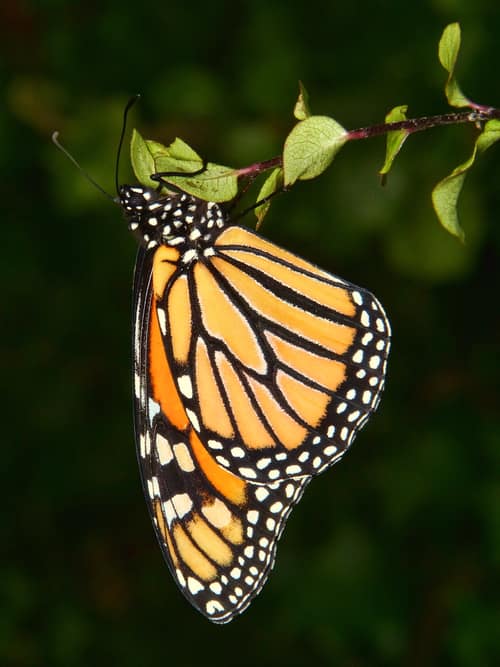
Pollinator Sid Mosdell from New Zealand / CC BY 2.0 · cc-by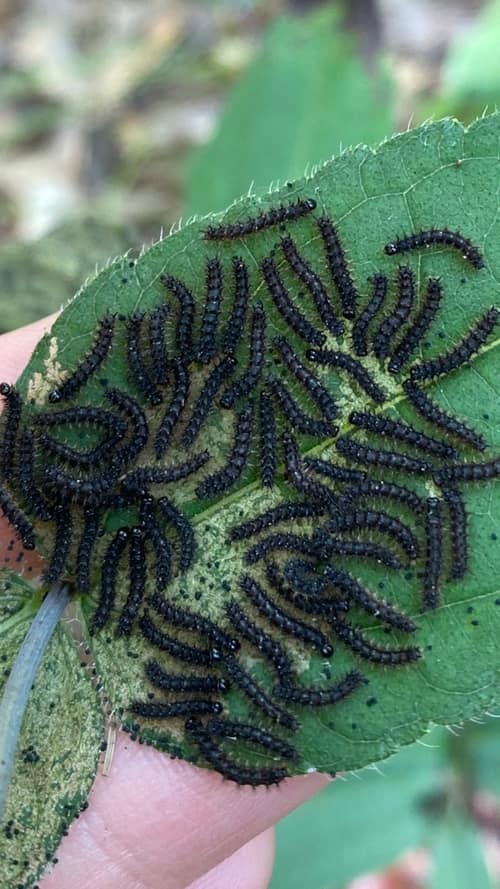
Larval Host no rights reserved, uploaded by Kathleen Houlahan Chayer · cc0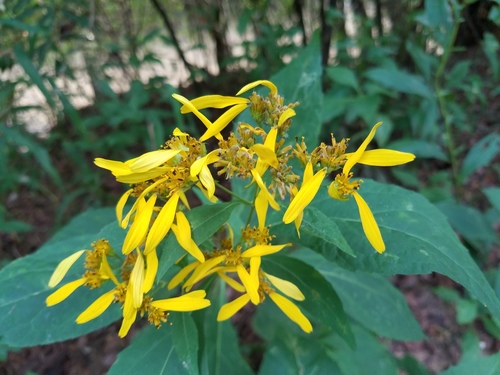
Close Relative (c) Leila Dasher, some rights reserved (CC BY), uploaded by Leila Dasher · cc-by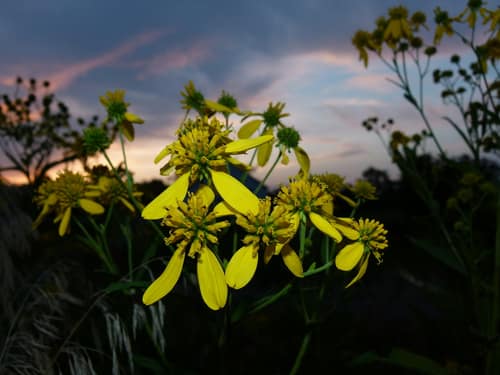
Close Relative (c) ingret9, some rights reserved (CC BY) · cc-by
Help improve the field guideSomething wrong?
Checking your Fauna account…Report a name, category, or profile issue for review.