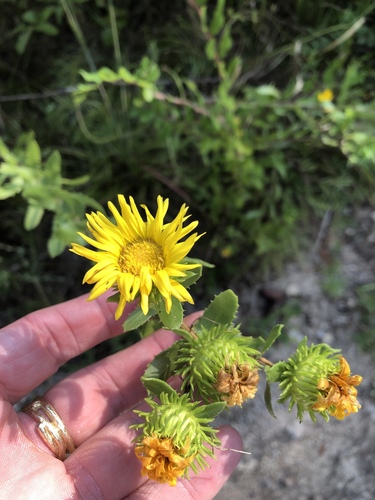
Also known as Curly-top Gumweed, Broadleaf Gumweed, Resinweed, Stickyhead
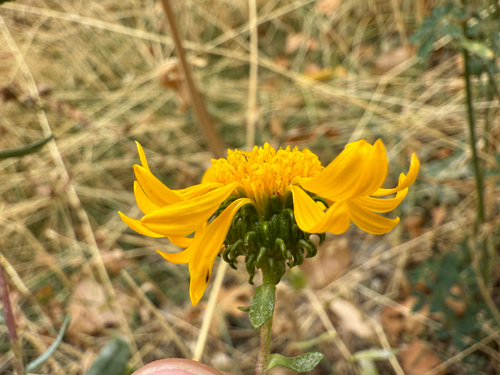
Curlycup gumweed stands out in sunbaked prairies and gravelly roadsides thanks to its bright yellow composite blossoms encased in gummy, hook-tipped bracts. The plant secretes a thick, aromatic resin over its flower buds to conserve moisture and deter hungry grazing animals. Native plant communities rely on it as an essential late-season pollen source for specialized bees, while its deep taproot stabilizes dry, disturbed soils where few other species take root.
Accumulates soil selenium, making it toxic to livestock; avoid ingesting and wash skin after heavy handling.
Why it is dangerous
Accumulates selenium from the soil, which can cause severe poisoning in horses and cattle if consumed, while the milky resin may cause mild skin irritation.
How to recognize a risky encounter
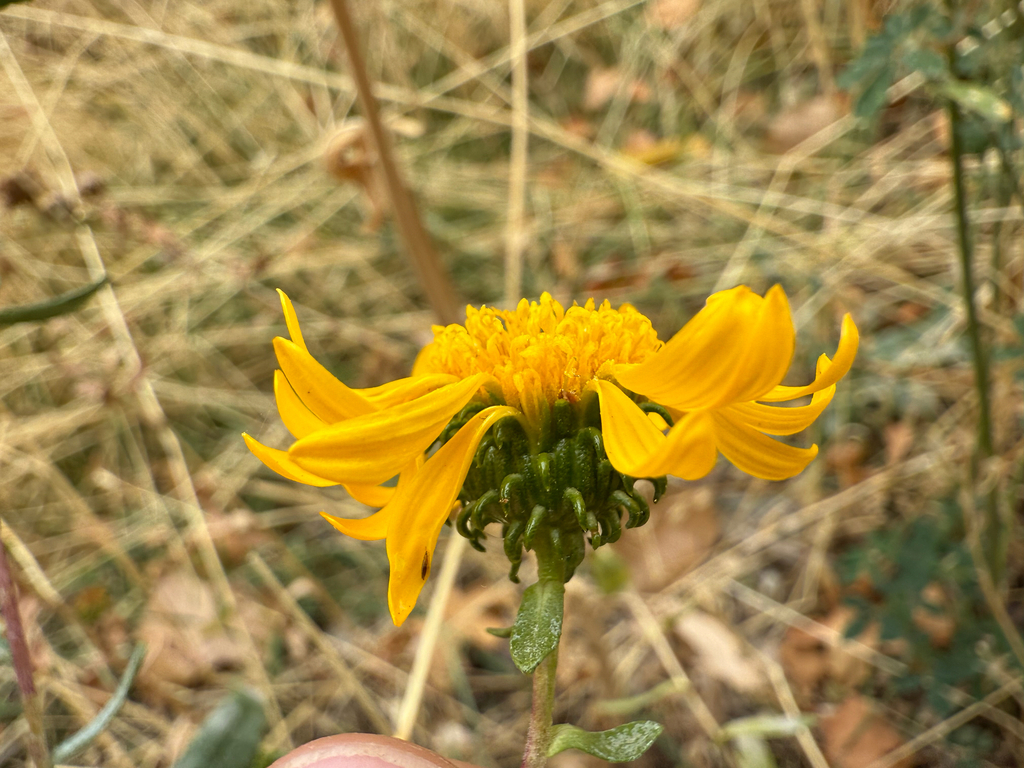
Recognizable by its yellow composite flower heads sitting in cups of sticky, strongly recurved, hook-like green bracts.
What to do
Observe from a short distance, avoid grazing livestock near dense stands, and wash hands after touching the gummy flower heads.
Responsible observation
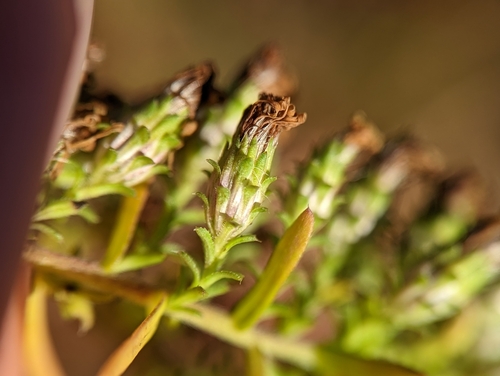
Touch testing: Touch the unopen flower buds gently to feel the thick, milky resin that gives the plant its name.
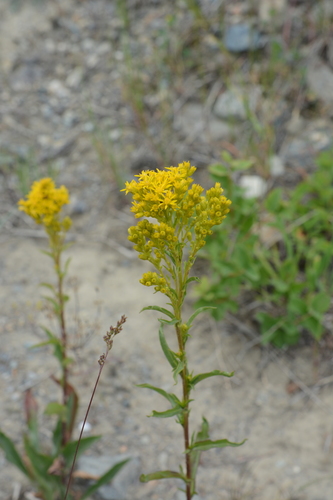
Habitat searching: Scan dry, open roadsides and overgrazed pastures from mid-summer through early autumn for bright yellow blooms.
Bract inspection: Look closely beneath the flower head for green bracts that curve strongly outward and downward like tiny hooks.