
Plant
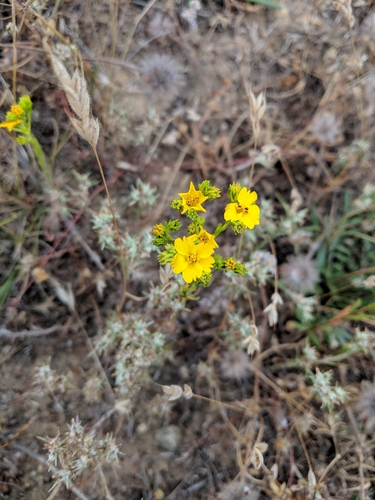
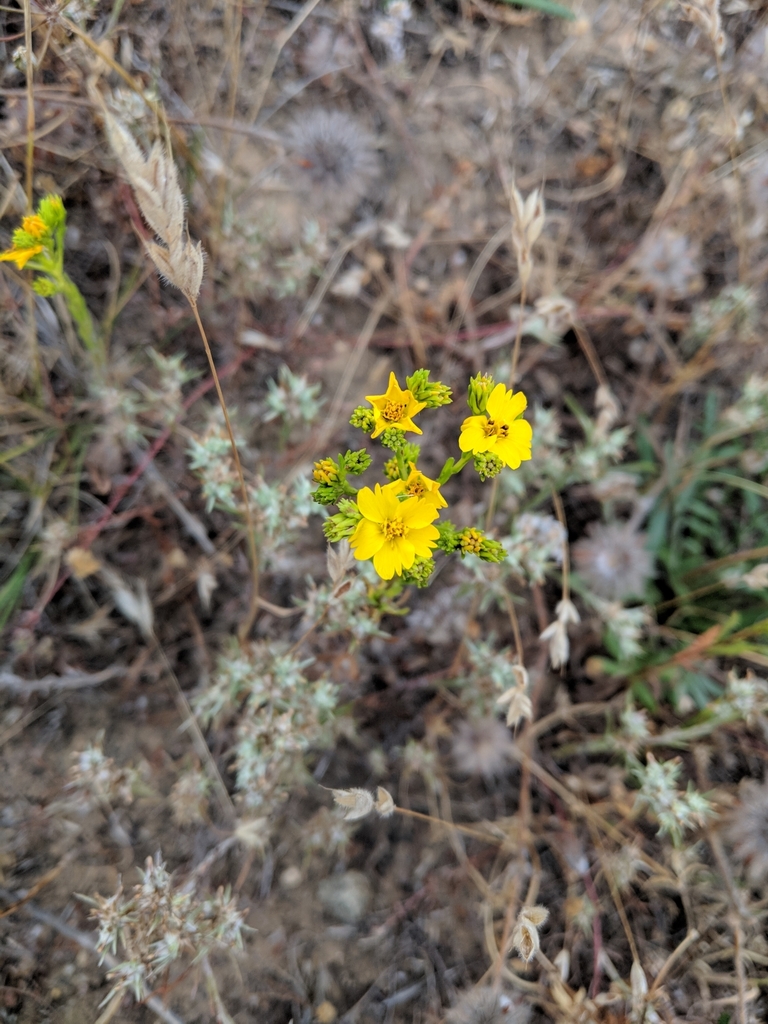
Clustered Tarweed
Deinandra fasciculataAlso known as Fascicled Spikeweed, Clustered Tarplant
Clustered tarweed covers dry slopes, chaparral openings, and coastal sage scrub across Southern California and Baja California with a late-season burst of bright yellow. Its sticky, gland-tipped foliage emits a rich resinous scent that deters herbivores while conserving moisture during dry summer months. The small flower heads cluster tightly at the branch tips, providing a vital nectar source for native bees and butterflies when other flora has gone dormant.
AromaticNativeWildflower
—observations
—countries
—peak records
Not EvaluatedConservation statusIUCN Red List categoriesLCNTVUENCREWEXNot Evaluated — not placed on the risk ladderRed List categories, explained →
Diet & preySunlight, Water, Soil Nutrients
Predators
- Native Bees
- Herbivorous Insects
- Birds
ThreatsUrban development, invasive non-native grasses, habitat fragmentation
HabitatsChaparral, coastal sage scrub, dry grasslands
Life spanAnnual
Classification
- FamilyAsteraceae
- SpeciesDeinandra fasciculata
Range data is not available yet.
Interaction riskLow
- Low
- Moderate
- High
- Very high
- Why interaction risk is low
- Safe to observe at a normal distance.
Responsible observation
- Best Viewing Season: Look for blooming tight clusters of bright yellow flowers from May through August.
- Scent Discovery: Gently brush near the plant without crushing it to notice its sweet, piney resinous aroma.
- Habitat Context: Search dry coastal hillsides, chaparral clearings, and disturbed clay soils.
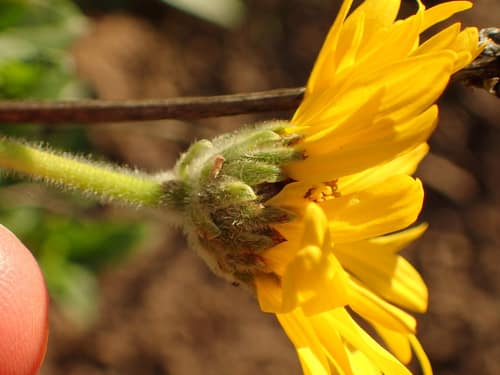
Frequent Companion (c) George Williams, some rights reserved (CC BY), uploaded by George Williams · cc-by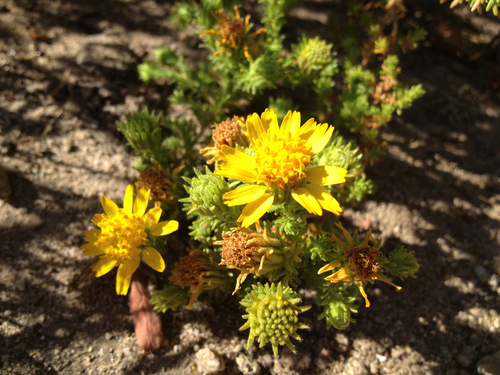
Close Relative (c) Zack Abbey, some rights reserved (CC BY), uploaded by Zack Abbey · cc-by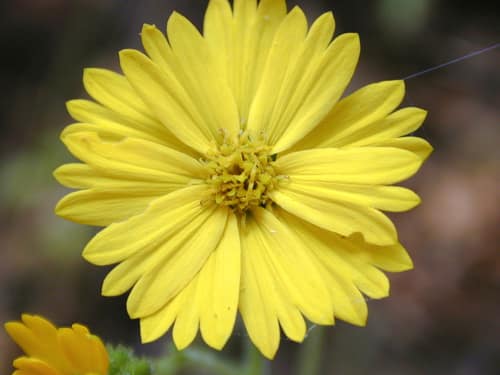
Ecological Relative (c) Dawn Endico, some rights reserved (CC BY-SA) · cc-by-sa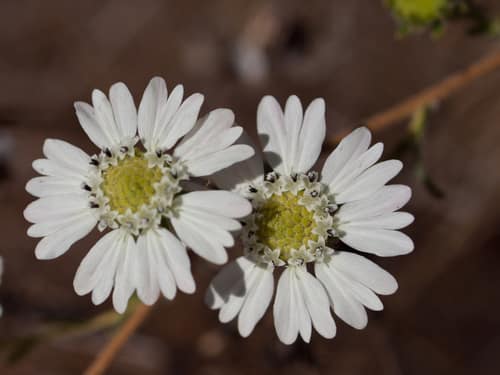
Close Relative (c) Franco Folini, some rights reserved (CC BY) · cc-by
Help improve the field guideSomething wrong?
Checking your Fauna account…Report a name, category, or profile issue for review.