
Flower
Bristleleaf Pricklyleaf
Thymophylla tenuilobaAlso known as Dahlberg Daisy, Golden Fleece, Shooting Star, Small Bristleleaf Pricklyleaf
Bristleleaf pricklyleaf carpets arid gravels and rocky slopes with masses of vivid golden-yellow flower heads from spring through autumn. Its thread-like, finely divided foliage releases a pungent, citrus-herbal aroma whenever brushed or crushed. Adapted to punishing heat and drought-prone limestone terrain, it serves as an early colonizer that provides vital nectar to solitary bees and small butterflies.
FloweringDrought-TolerantAromatic
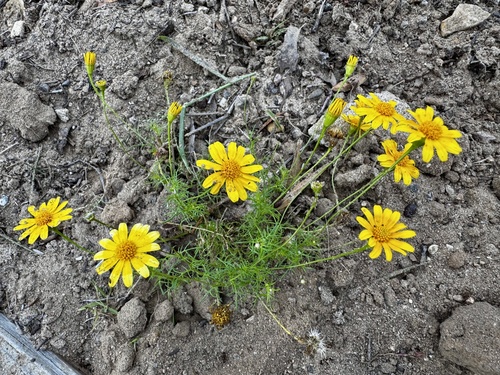
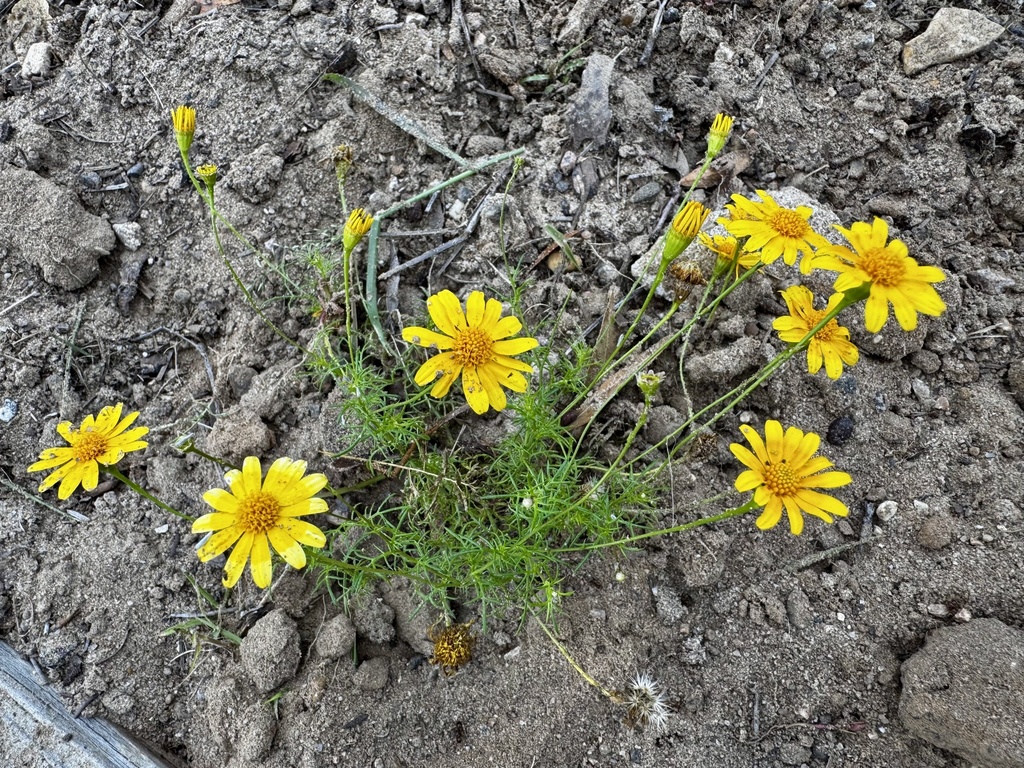
—observations
—countries
—peak records
Not EvaluatedConservation statusIUCN Red List categoriesLCNTVUENCREWEXNot Evaluated — not placed on the risk ladderRed List categories, explained →
Diet & preyAutotrophic (photosynthetic)
Predators
- Desert Cottontail
- Grasshoppers
- White-Tailed Deer
ThreatsHabitat conversion, intensive overgrazing, and herbicide runoff
HabitatsRocky limestone hills, caliche plains, desert grasslands, and dry roadsides
Life span1 year (annual or short-lived perennial)
Classification
- OrderAsterales
- FamilyAsteraceae
- GenusThymophylla
- SpeciesThymophylla tenuiloba
Range data is not available yet.
Interaction riskLow
- Low
- Moderate
- High
- Very high
- Why interaction risk is low
- Safe to observe at a normal distance.
Responsible observation
- Scent release: Gently brush the fine foliage with your fingertips to detect its sharp, pleasant lemon-oil scent.
- Best viewing: Look for wide golden mats in sunny, well-drained caliche gravels between April and October.
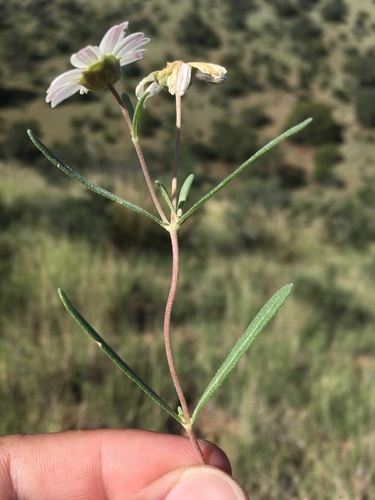
Frequent Companion no rights reserved, uploaded by Cecelia Alexander · cc0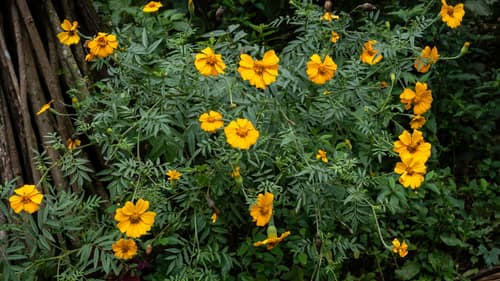
Same Tribe (c) lisong, some rights reserved (CC BY-SA) · cc-by-sa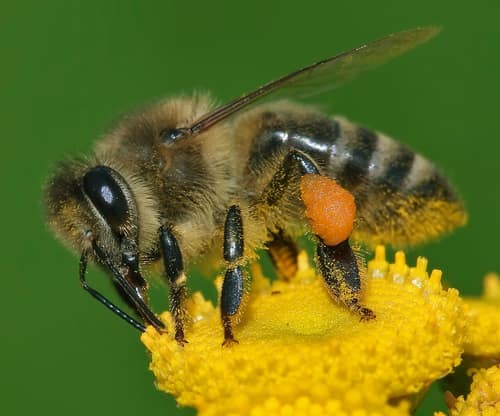
Pollinator Andreas Trepte / CC BY-SA 2.5 · cc-by-sa Image unavailable
Close Relative
Help improve the field guideSomething wrong?
Checking your Fauna account…Report a name, category, or profile issue for review.