
Plant · GBIF taxon 3140490
Prickly Lettuce
Lactuca serriolaAlso known as Compass Plant, Milk Thistle, Scarole, Wild Lettuce
Prickly lettuce anchors itself in sunny, disturbed soils with a deep taproot and a tall, stiff stem bristling with pale spines. Its vertical leaves twist edge-on toward the sun to minimize water loss during mid-day heat, earning it the traditional nickname compass plant. Late in summer, hundreds of small yellow flower heads open in the morning light before producing wind-borne parachute seeds.
WeedCompositeSun-Loving
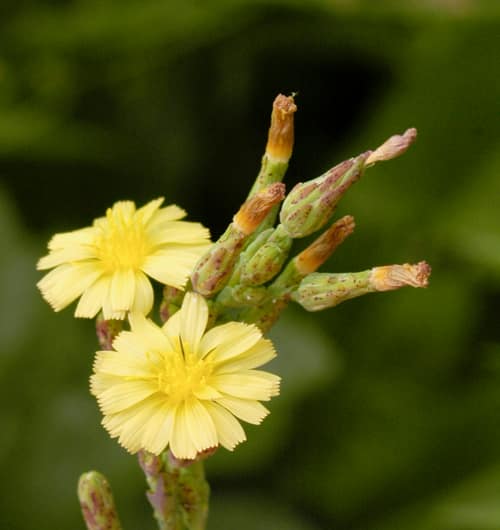
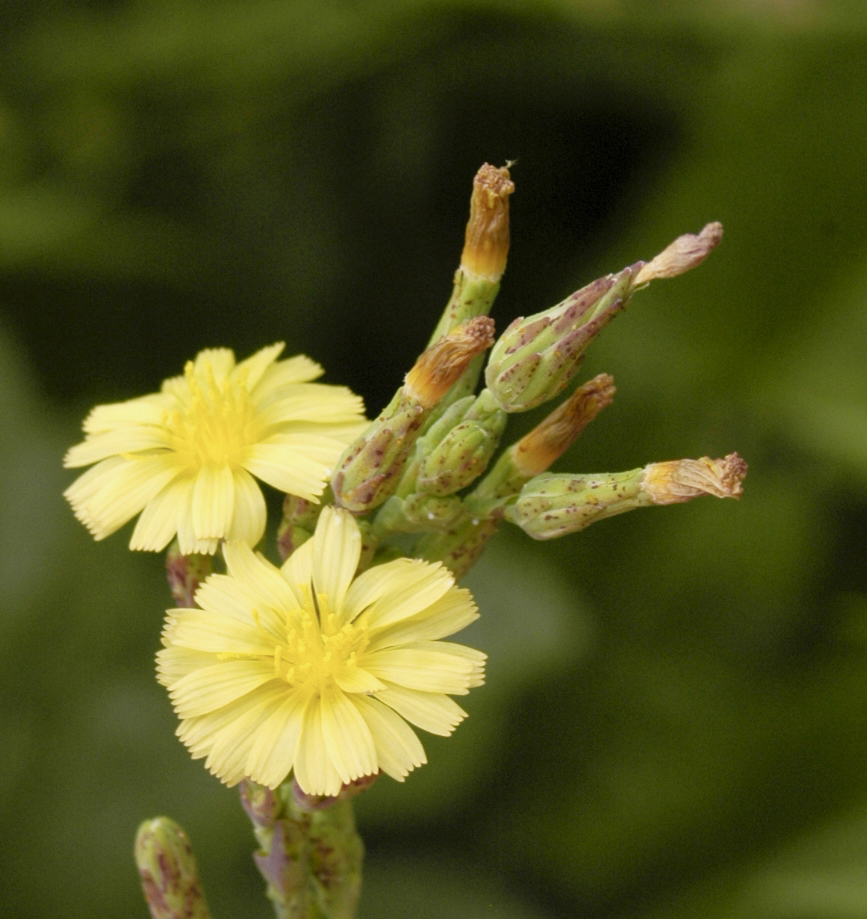
—observations
—countries
—peak records
Least ConcernConservation statusIUCN Red List categoriesLCNTVUENCREWEXLeast ConcernRed List categories, explained →
Diet & prey
- Autotrophic (Photosynthesis)
Predators
- Slugs and Snails
- Aphids
- Goldfinches
ThreatsHerbicide application, mechanical mowing, land development
HabitatsRoadsides, fallow fields, waste grounds, orchard borders
Life span1–2 years
Size / weightNot available
Classification
- OrderAsterales
- FamilyAsteraceae
- GenusLactuca
- SpeciesLactuca serriola
Range data is not available yet.
Interaction riskLow
- Low
- Moderate
- High
- Very high
- Why interaction risk is low
- Milky sap can cause mild skin irritation; avoid snapping stems with bare hands.
Responsible observation
- Sun Orientation: Look for vertical leaf blades that align north-to-south to avoid intense overhead sun.
- Stem Inspection: Check the underside of the central leaf vein for a prominent row of sharp prickles.
- Seed Dispersal: Watch for fluffy white pappus clusters late in summer that float away on light breezes.
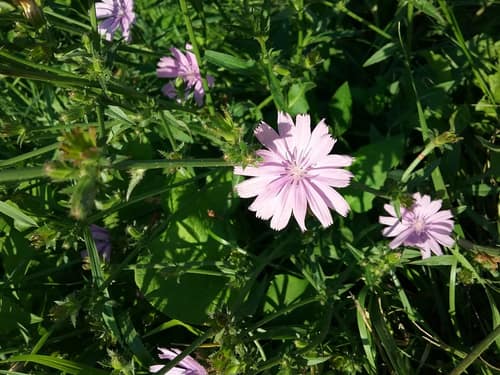
Frequent Companion no rights reserved, uploaded by Mary Crickmore · cc0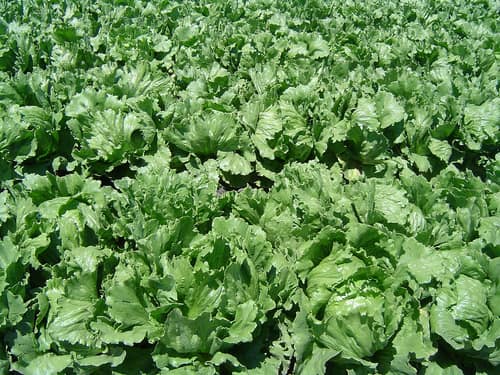
Close Relative en:User:Geographer / CC BY 1.0 · cc-by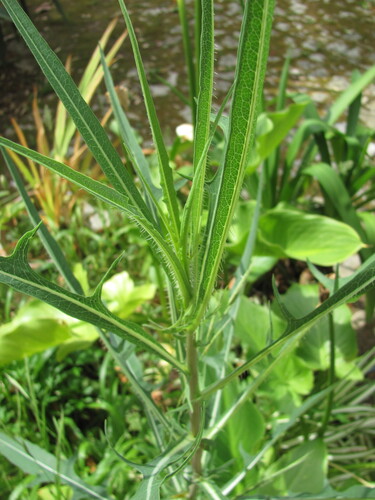
Close Relative (c) zebedeugalinha, some rights reserved (CC BY) · cc-by
Family Member Walther Otto Müller / Public domain · cc0
Help improve the field guideSomething wrong?
Checking your Fauna account…Report a name, category, or profile issue for review.