
Plant
Woodland Lettuce
Lactuca floridanaAlso known as Florida Lettuce, False Lettuce, Blue Woodland Lettuce
Woodland lettuce rises as a tall biennial herb throughout eastern forest edges and dappled clearings, recognized by its milky latex and deeply lobed lower leaves. During late summer and autumn, towering branched panicles unfold dozens of delicate blue to pale lavender flower heads that open on sunny mornings. Wind carries its tufted seeds across disturbed soils, allowing it to rapidly pioneer canopy gaps, roadsides, and fertile stream banks.
WildflowerNativeWoodland
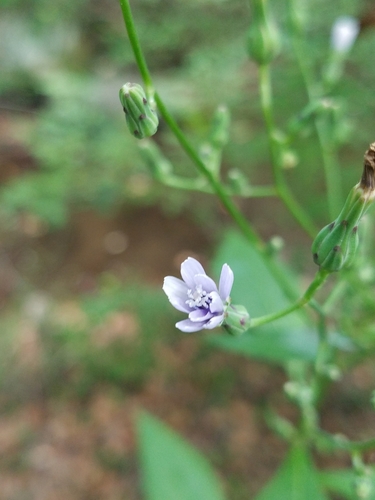
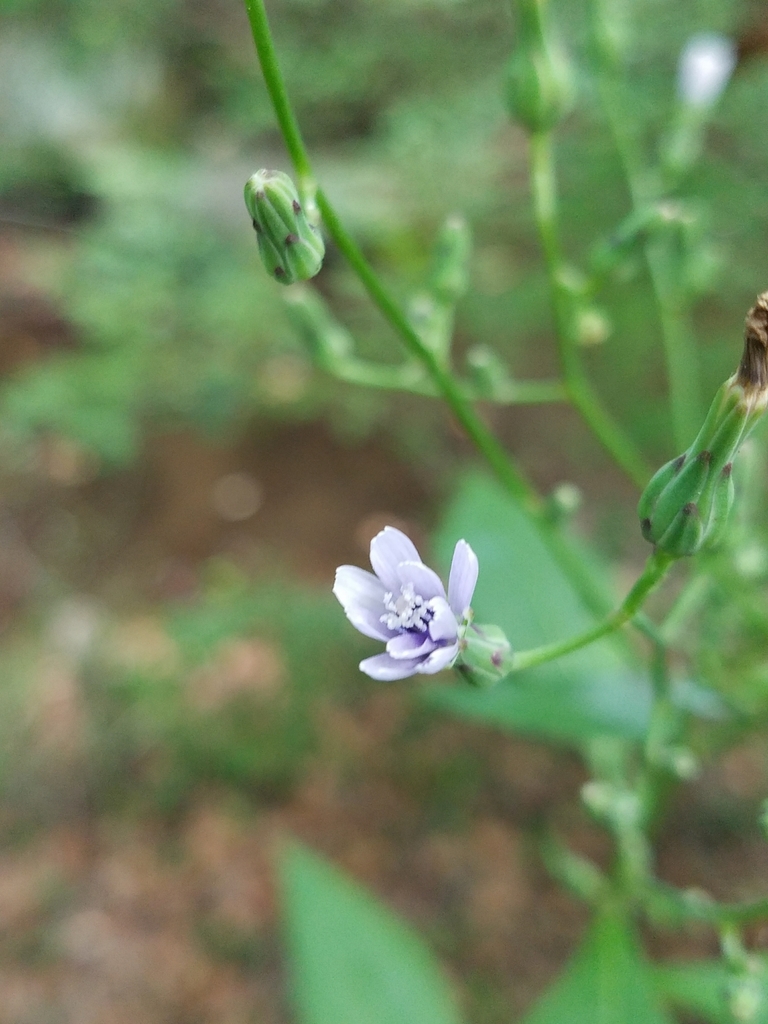
—observations
—countries
—peak records
Not EvaluatedConservation statusIUCN Red List categoriesLCNTVUENCREWEXNot Evaluated — not placed on the risk ladderRed List categories, explained →
Diet & preySunlight, Water, Soil nutrients
Predators
- White-tailed deer
- Eastern cottontail
- Aphids
ThreatsHabitat loss from urban development and competition from invasive plant species
HabitatsMoist deciduous woods, forest borders, stream banks, and thickets
Life span1–2 years (annual or biennial)
Classification
- OrderAsterales
- FamilyAsteraceae
- GenusLactuca
- SpeciesLactuca floridana
Range data is not available yet.
Interaction riskLow
- Low
- Moderate
- High
- Very high
- Why interaction risk is low
- Safe to observe at a normal distance.
Responsible observation
- Timing: Look for open blue flower heads on sunny mornings, as they tend to close by midday.
- Identification: Break a leaf gently to check for white milky latex, a signature trait of wild lettuces.
- Habitat: Scan semi-shaded trail edges, canopy openings, and damp roadside borders in late summer.
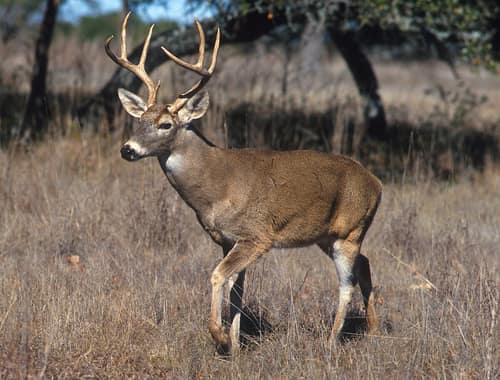
Herbivore USDA photo by Scott Bauer / Public domain · cc0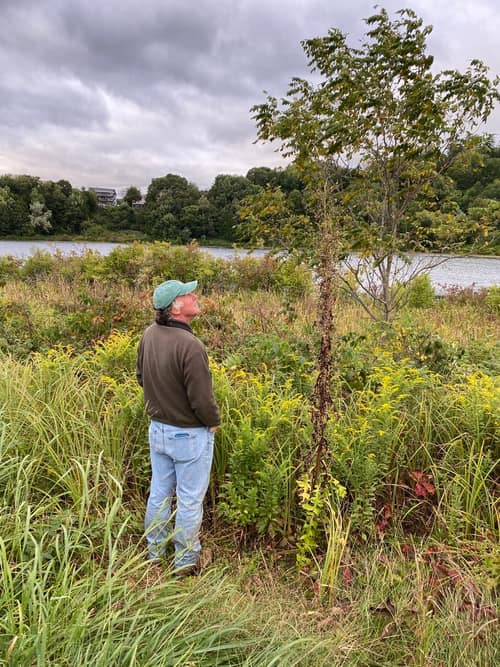
Close Relative no rights reserved, uploaded by Kent P. McFarland · cc0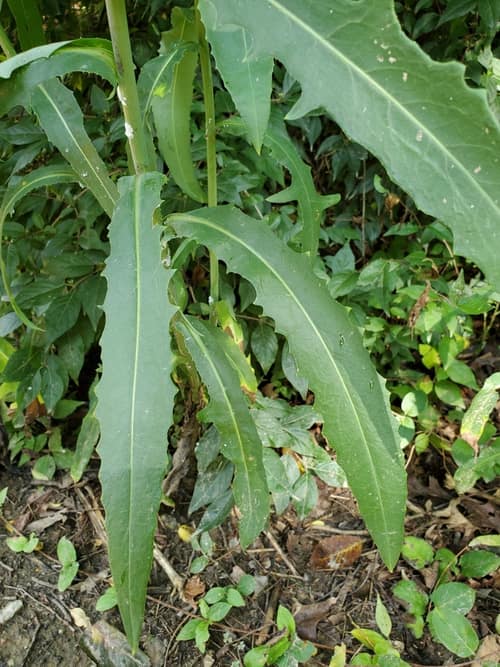
Close Relative (c) Alex Zorach, some rights reserved (CC BY), uploaded by Alex Zorach · cc-by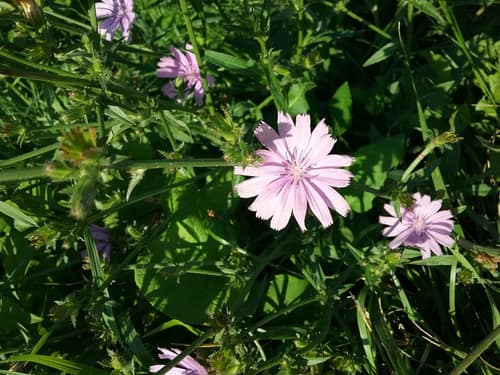
Same Family no rights reserved, uploaded by Mary Crickmore · cc0
Help improve the field guideSomething wrong?
Checking your Fauna account…Report a name, category, or profile issue for review.