
Flower
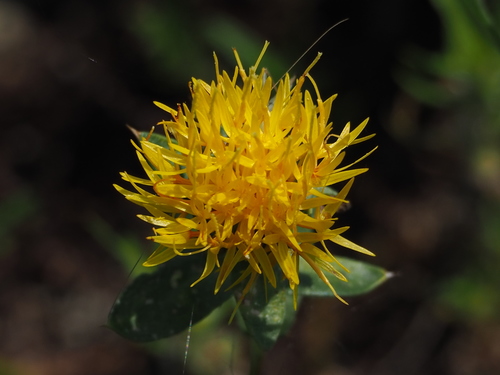
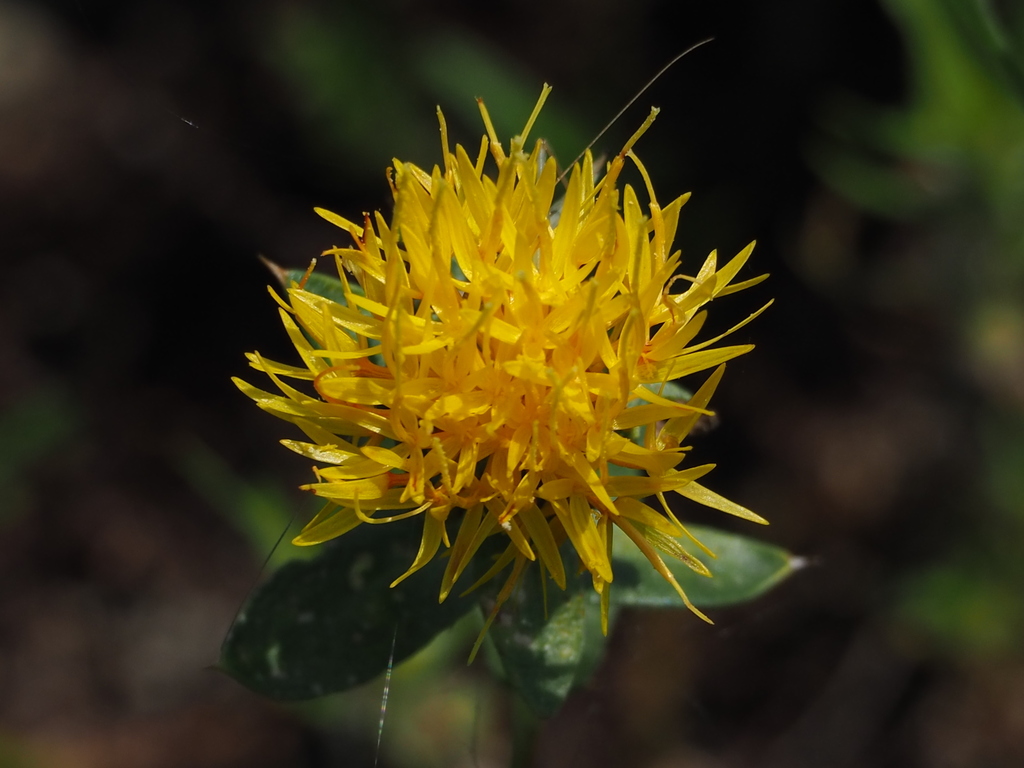
Safflower
Carthamus tinctoriusAlso known as False Saffron, Dyer's Saffron
Safflower anchors itself in dry, sun-baked soils using an exceptionally deep taproot that draws moisture from several meters below ground. Its spiny leaves and dense, thistle-like flower heads shield developing oily seeds from foraging herbivores while displaying vivid yellow and orange florets. Cultivated for millennia across the Mediterranean and Middle East, the vibrant petals historically yielded prized carthamin dyes long before the invention of synthetic pigments.
Drought-TolerantFloweringAgricultural
—observations
—countries
—peak records
Not EvaluatedConservation statusIUCN Red List categoriesLCNTVUENCREWEXNot Evaluated — not placed on the risk ladderRed List categories, explained →
Diet & preyAutotrophic (photosynthetic)
Predators
- Corn earworm
- Green peach aphid
- Seed-eating birds
ThreatsFungal blights, root rot in poorly drained soils, and weed competition
HabitatsArid and semi-arid agricultural fields, dry steppes, and disturbed open soils
Life spanAnnual (single growing season of 4 to 5 months)
Classification
- OrderAsterales
- FamilyAsteraceae
- GenusCarthamus
- SpeciesCarthamus tinctorius
Range data is not available yet.
Interaction riskLow
- Low
- Moderate
- High
- Very high
- Why interaction risk is low
- Safe to observe at a normal distance.
Responsible observation
- Handling: Wear durable garden gloves when tending mature stems to avoid the needle-sharp leaf tips.
- Pollinator Watching: Visit flowering fields mid-morning when worker bees and hoverflies crowd the yellow florets.
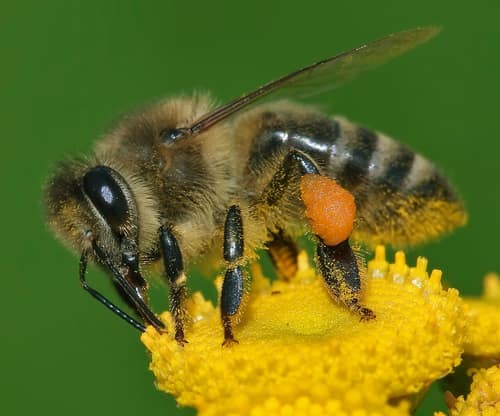
Pollinator Andreas Trepte / CC BY-SA 2.5 · cc-by-sa Image unavailable
Close Relative 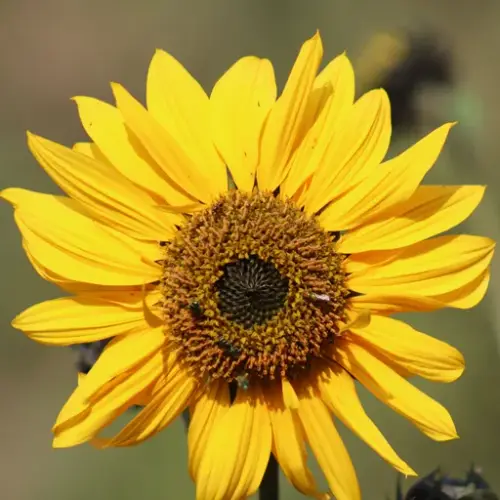
Same Family Dr Photographer / PUBLIC DOMAIN · public domain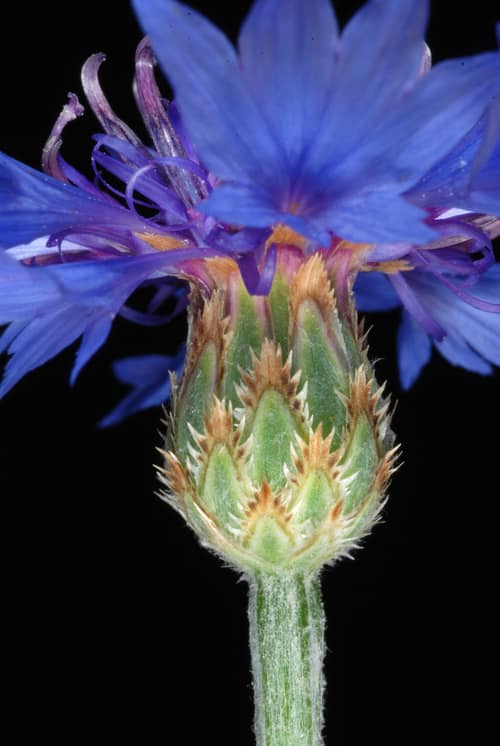
Same Family (c) Douglas Goldman, some rights reserved (CC BY-SA), uploaded by Douglas Goldman · cc-by-sa
Help improve the field guideSomething wrong?
Checking your Fauna account…Report a name, category, or profile issue for review.