
Flower
Lance-leaved Coreopsis
Coreopsis lanceolataAlso known as Lanceleaf Coreopsis, Lanceleaf Tickseed, Sand Coreopsis
Lance-leaved Coreopsis forms vibrant bright yellow mounds along dry roadsides, prairies, and open pine woods throughout eastern North America. Its glossy yellow daisy-like blossoms bear distinctive four-toothed outer petal tips and bloom profusely from late spring into midsummer. Highly resilient in poor or sandy soils, this hardy native wildflower attracts a wide variety of native bees, butterflies, and seed-eating songbirds.
FloweringNativeDrought-Tolerant
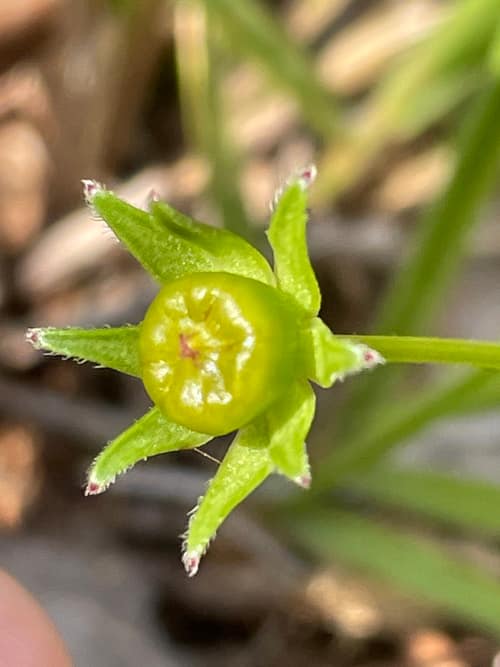
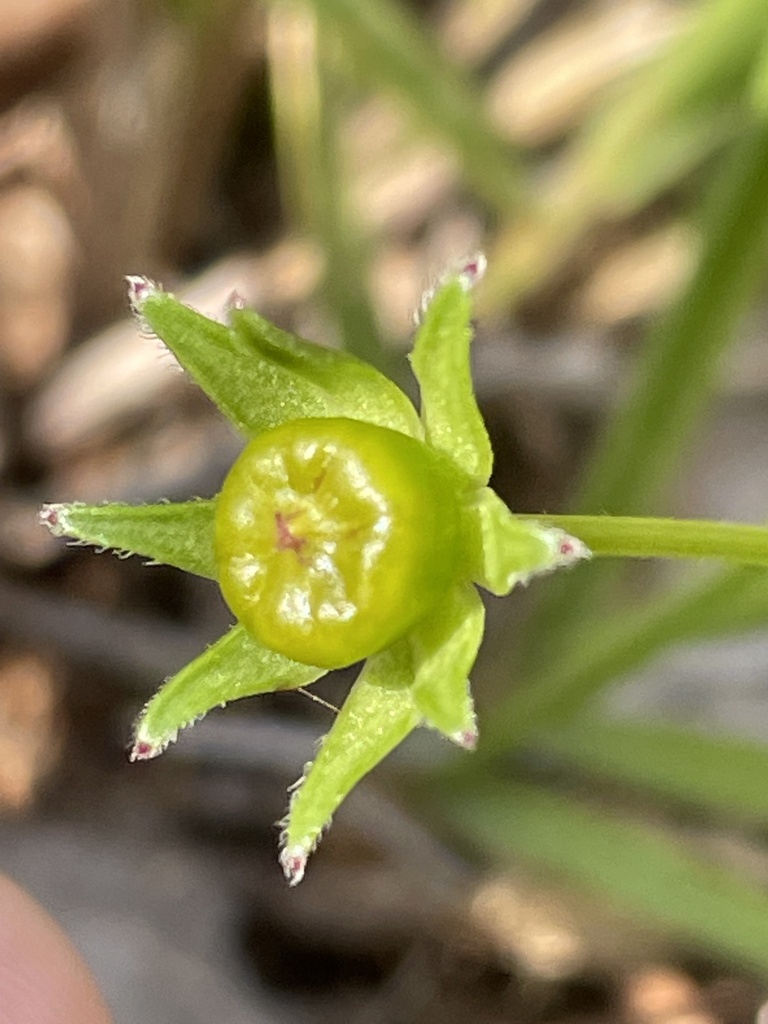
—observations
—countries
—peak records
Least ConcernConservation statusIUCN Red List categoriesLCNTVUENCREWEXLeast ConcernRed List categories, explained →
Diet & preyAutotrophic (Photosynthetic)
Predators
- Eastern Cottontail
- White-tailed Deer
- Moth Caterpillars
ThreatsHabitat loss, invasive species competition
HabitatsPrairies, pinelands, roadsides, sandy fields
Life spanShort-lived perennial (3–5 years)
Classification
- OrderAsterales
- FamilyAsteraceae
- GenusCoreopsis
- SpeciesCoreopsis lanceolata
Range data is not available yet.
Interaction riskLow
- Low
- Moderate
- High
- Very high
- Why interaction risk is low
- Safe to observe at a normal distance.
Responsible observation
- Observation Timing: Look for peak blooms from May to July when sunny fields turn vibrant gold.
- Wildlife Spotting: Watch flower heads during warm afternoons for native bees, syrphid flies, and butterflies.
- Seed Heads: Leave dried autumn stalks standing to observe goldfinches feeding on small seeds.
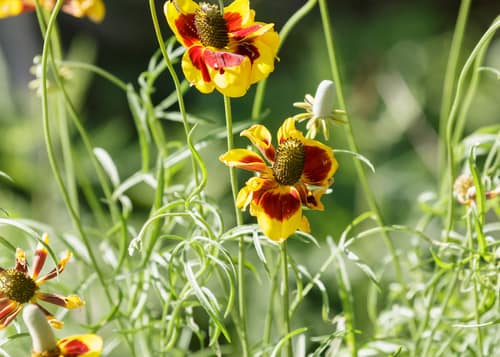
Frequent Companion (c) Meghan Cassidy, some rights reserved (CC BY-SA), uploaded by Meghan Cassidy · cc-by-sa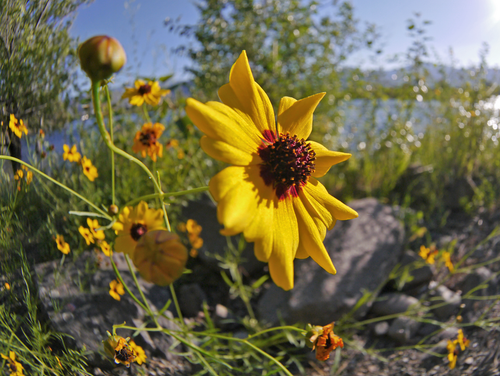
Close Relative (c) Thayne Tuason, some rights reserved (CC BY-SA) · cc-by-sa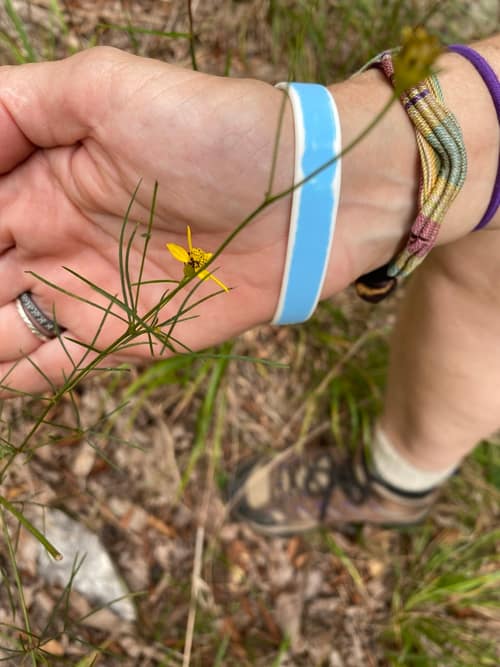
Close Relative (c) Carol Ann McCormick, some rights reserved (CC BY), uploaded by Carol Ann McCormick · cc-by
Help improve the field guideSomething wrong?
Checking your Fauna account…Report a name, category, or profile issue for review.