
Plant · GBIF taxon 3128305
Dusty Miller
Centaurea cinerariaAlso known as Velvet Centaurea, Silver Dust
Velvet centaurea clings to sheer Mediterranean limestone cliffs, forming dense, mounding subshrubs clothed in brilliant silvery-white foliage. The thick coating of woolly trichomes reflects intense sunlight and reduces water loss, enabling survival in arid, salt-sprayed maritime environments. In summer, solitary thistle-like heads of violet-purple florets erupt above the pale leaves, providing nectar to coastal pollinators.
Drought TolerantMediterraneanFlowering
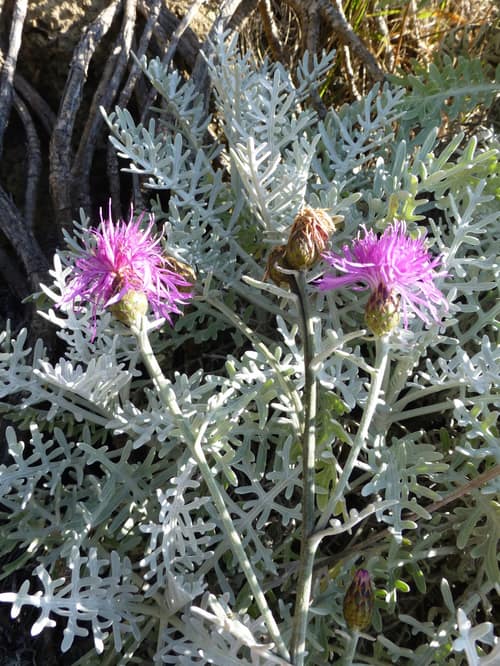
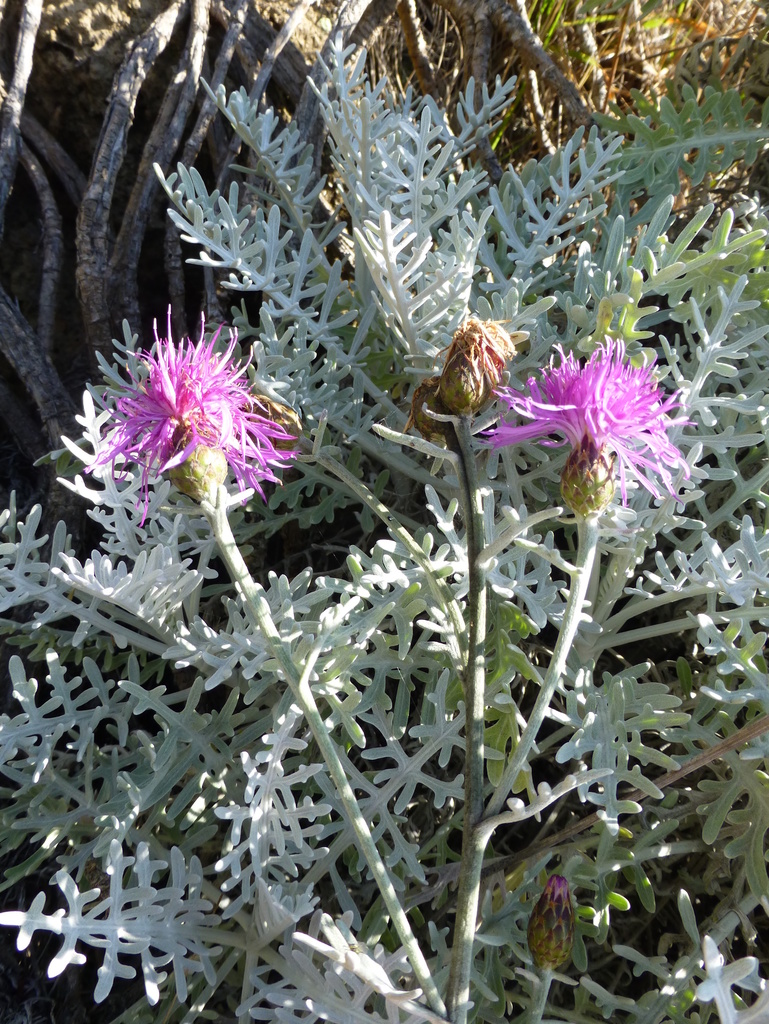
—observations
—countries
—peak records
Not EvaluatedConservation statusIUCN Red List categoriesLCNTVUENCREWEXNot Evaluated — not placed on the risk ladderRed List categories, explained →
Diet & prey
- Sunlight
- Atmospheric Carbon Dioxide
- Soil Minerals
Predators
- Mediterranean Land Snail
- Caterpillars of Noctuid Moths
ThreatsCoastal tourism infrastructure, recreational climbing disturbance, and invasive competitors
HabitatsCoastal limestone cliffs, rocky maritime bluffs, and cultivated rock gardens
Life span5–10 years
Classification
- FamilyAsteraceae
- SpeciesCentaurea cineraria
Range data is not available yet.
Interaction riskLow
- Low
- Moderate
- High
- Very high
- Why interaction risk is low
- Safe to observe at a normal distance.
Responsible observation
- Foliage Inspection: Look closely at the felted leaf coating, which serves as a natural sunblock against intense coastal radiation.
- Bloom Season: Search for the showy purple composite flower heads from late spring through mid-summer.
- Climbing Caution: Avoid trampling or disturbing fragile wild colonies rooted in steep coastal sea cliffs.
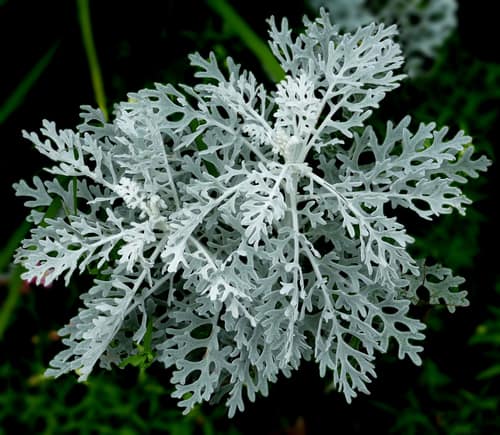
Look-alike (c) Jim Evans, some rights reserved (CC BY-SA) · cc-by-sa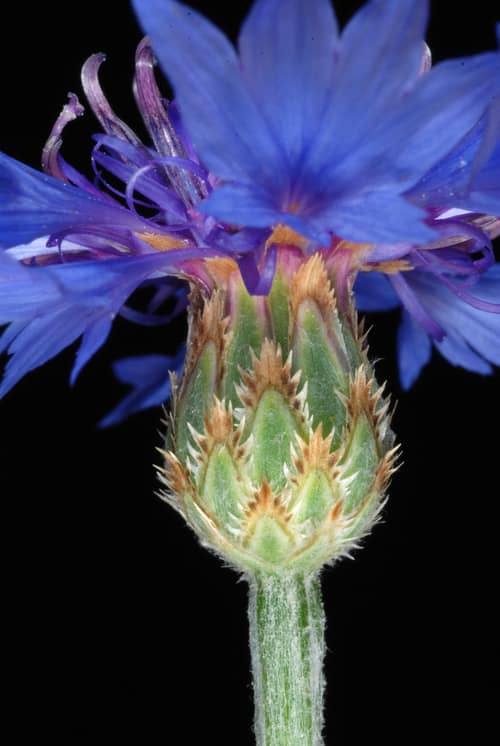
Same Genus (c) Douglas Goldman, some rights reserved (CC BY-SA), uploaded by Douglas Goldman · cc-by-sa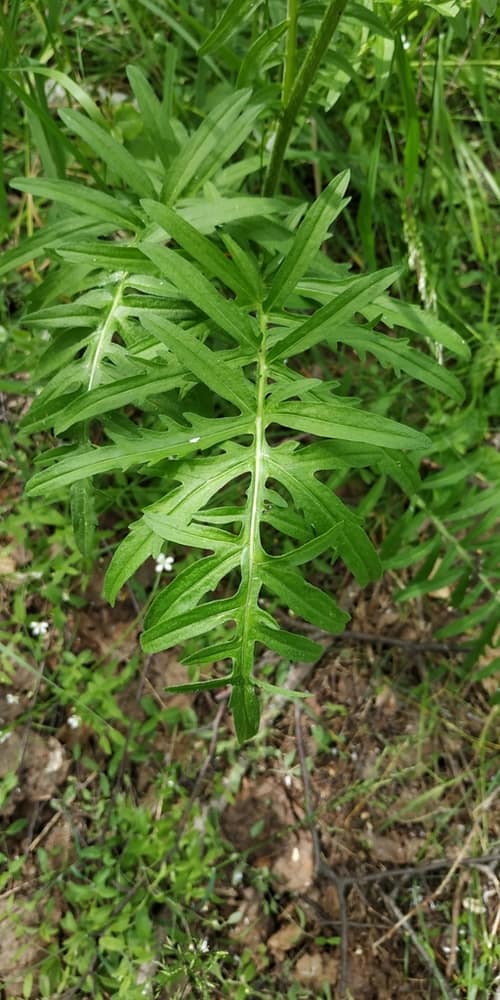
Same Genus (c) Yurii Basov, some rights reserved (CC BY), uploaded by Yurii Basov · cc-by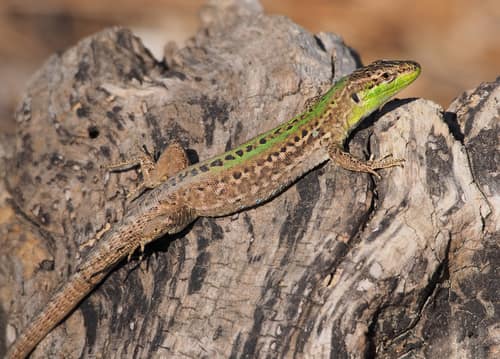
Neighbor (c) Petar Milošević, some rights reserved (CC BY-SA) · cc-by-sa
Help improve the field guideSomething wrong?
Checking your Fauna account…Report a name, category, or profile issue for review.