
Plant
Maltese Star-thistle
Centaurea melitensisAlso known as Tocalote, Napa Thistle, Maltese Centaury
Maltese star-thistle is a wiry winter annual recognized by its resin-dotted, winged stems and compact yellow flower heads encircled by sharp, purple-tinged spines. A deep taproot allows it to tap early soil moisture before native vegetation establishes, outcompeting local flora across arid scrub and disturbed rangelands. Transported across global shipping routes and historical mission trails, it forms dense prickly stands that crowd out forage and disrupt native plant communities.
InvasiveSpinyWildflower
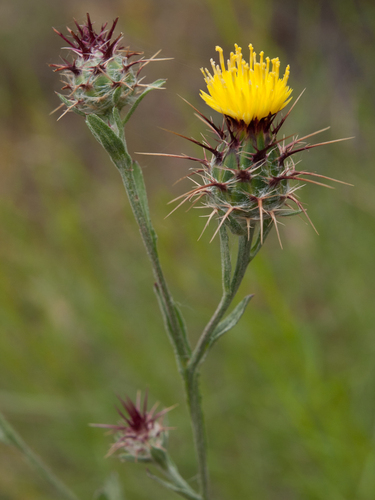
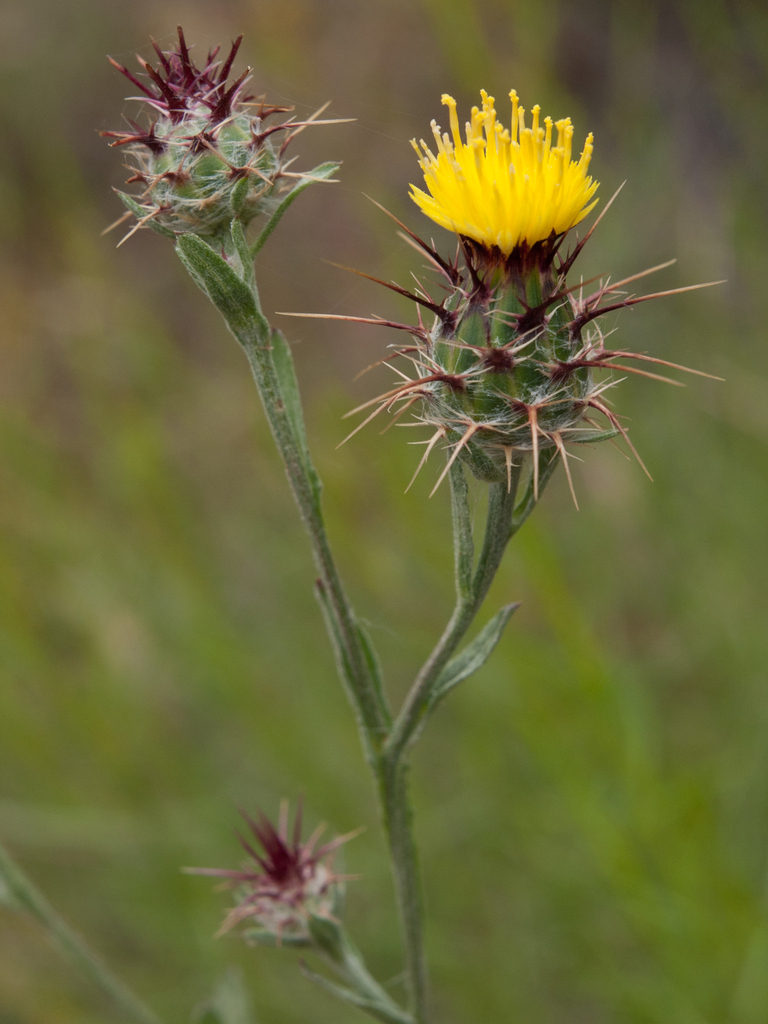
—observations
—countries
—peak records
Not EvaluatedConservation statusIUCN Red List categoriesLCNTVUENCREWEXNot Evaluated — not placed on the risk ladderRed List categories, explained →
Diet & preyAutotrophic (photosynthetic)
Predators
- Seed-head weevils
- Peacock flies
- Grazing sheep
ThreatsHerbicide application, biological control weevils, and mechanical mowing
HabitatsDisturbed grasslands, rangelands, roadsides, and chaparral
Life span1 year (annual)
Classification
- OrderAsterales
- FamilyAsteraceae
- GenusCentaurea
- SpeciesCentaurea melitensis
Range data is not available yet.
Interaction riskHigh
- Low
- Moderate
- High
- Very high
- Why interaction risk is high
- Safe to observe at a normal distance; sharp bract spines can prick bare skin.
Responsible observation
- Footwear: Wear sturdy boots and thick pants when walking through infested areas to avoid sharp spines.
- Seed dispersal: Check socks, pet fur, and gear for barbed seed heads before leaving to avoid spreading it.
- Identification: Look for winged stem tissue and resin glands on leaves to distinguish it from look-alikes.
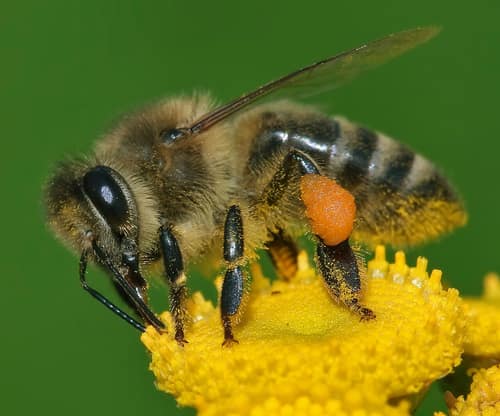
Pollinator Andreas Trepte / CC BY-SA 2.5 · cc-by-sa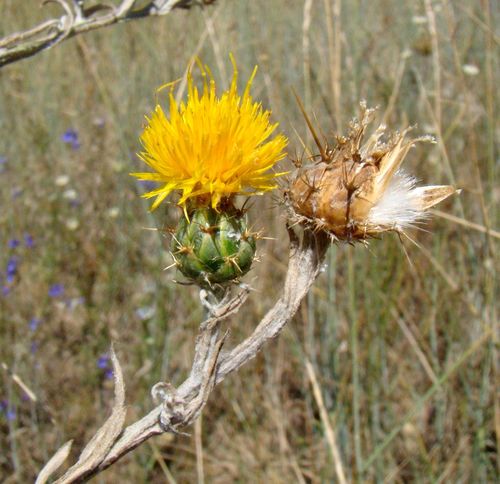
Close Relative (c) Юрий Данилевский (Yuriy Danilevsky), some rights reserved (CC BY) · cc-by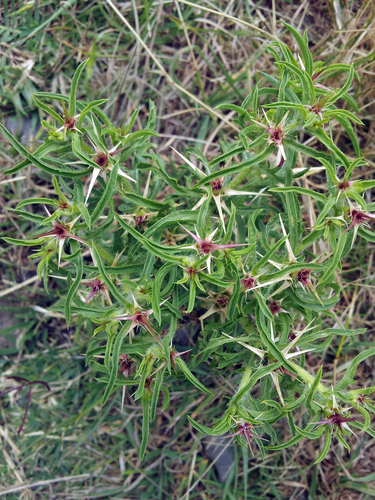
Close Relative no rights reserved, uploaded by Peter de Lange · cc0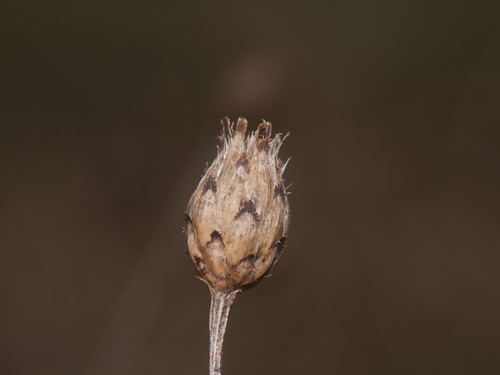
Close Relative (c) Alexis Tinker-Tsavalas, some rights reserved (CC BY), uploaded by Alexis Tinker-Tsavalas · cc-by
Help improve the field guideSomething wrong?
Checking your Fauna account…Report a name, category, or profile issue for review.