
Plant · GBIF taxon 3127727
Spotted Knapweed
Centaurea stoebeAlso known as Panicled Knapweed
Spotted knapweed is a deep-rooted, highly adaptable invasive herb that thrives in dry soils across disturbed roadsides and rangelands. Its pink to purple flower heads feature black-fringed bracts that give the base a distinct spotted appearance. By releasing allelopathic chemicals from its taproot, it suppresses neighboring native plant growth and quickly forms dense monocultures.
InvasiveFloweringRoadside
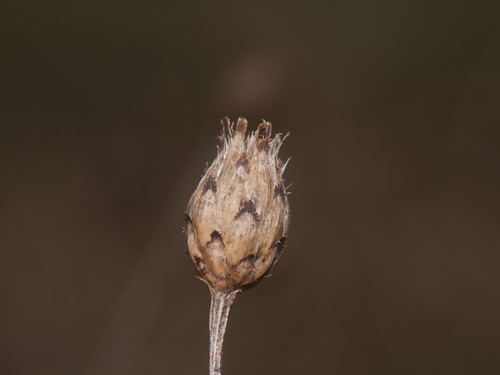
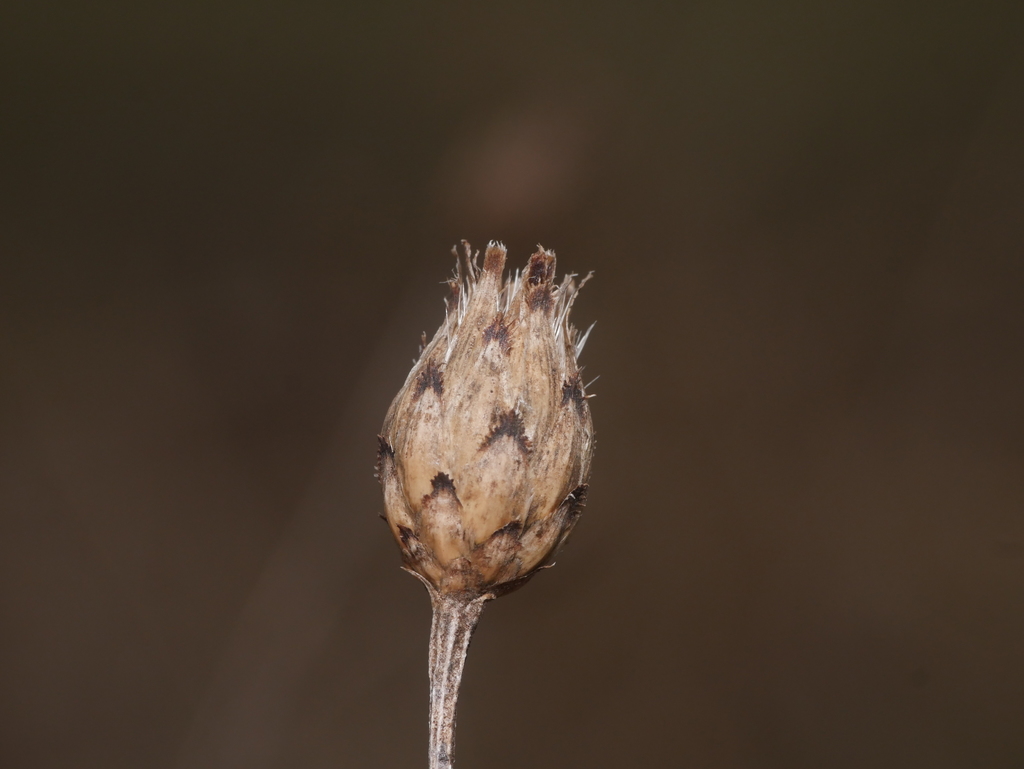
—observations
—countries
—peak records
Not EvaluatedConservation statusIUCN Red List categoriesLCNTVUENCREWEXNot Evaluated — not placed on the risk ladderRed List categories, explained →
Diet & prey
- Autotrophic (Photosynthetic)
Predators
- Knapweed Root Weevil
- Lesser Knapweed Flower Weevil
- Spotted Knapweed Seedhead Fly
ThreatsBiological control agents, targeted herbicide applications, manual eradication
HabitatsPastures, grasslands, open woodlands, roadsides, disturbed soils
Life spanBiennial to short-lived perennial (typically 3–9 years)
Size / weightNot available
Classification
- OrderAsterales
- FamilyAsteraceae
- GenusCentaurea
- SpeciesCentaurea stoebe
Range data is not available yet.
Interaction riskLow
- Low
- Moderate
- High
- Very high
- Why interaction risk is low
- Plant sap can cause contact skin irritation; wear gloves when pulling or handling stems.
- Why it is dangerous
- Plant tissue contains sesquiterpene lactones that cause mild to moderate contact dermatitis upon direct skin exposure.
- How to recognize a risky encounter
- Identified by its pinkish-purple thistle-like blooms sitting atop bracts with dark, spotted tips.
- What to do
- Avoid touching barefoot or barehanded; use gloves and clothing cover when working around infestations.
Responsible observation
- Identification: Look for distinctive dark, fringe-tipped bracts directly beneath the bright pinkish-purple flower heads.
- Handling: Always wear thick gloves and long sleeves when hand-pulling stalks to prevent skin rashes from plant sap.
- Prevention: Clean footwear and vehicle tires after passing through infested areas to prevent spreading seeds.
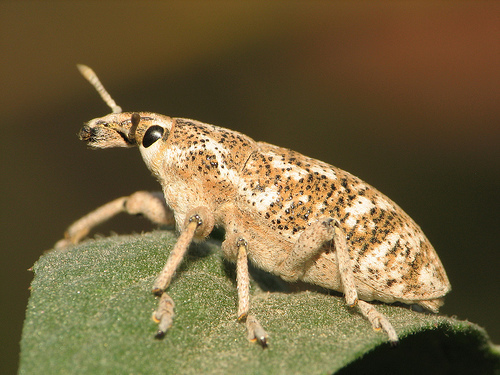
Predator (c) Sean McCann, some rights reserved (CC BY-SA) · cc-by-sa Image unavailable
Close Relative 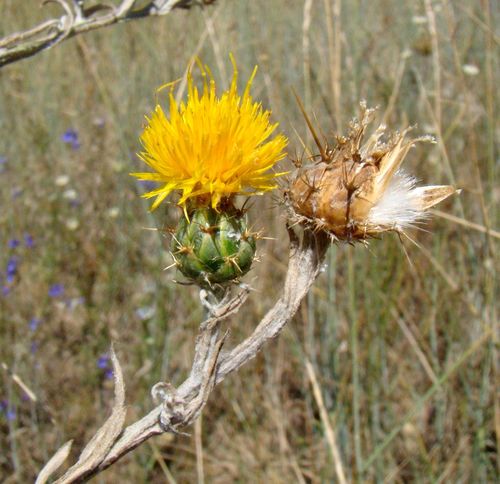
Close Relative (c) Юрий Данилевский (Yuriy Danilevsky), some rights reserved (CC BY) · cc-by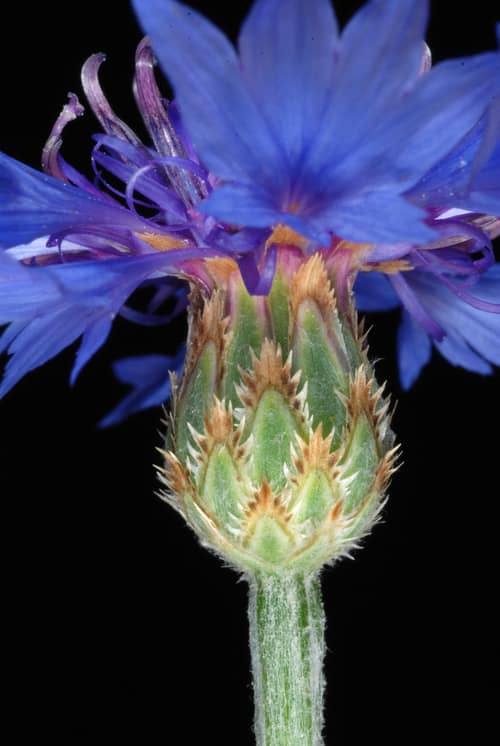
Close Relative (c) Douglas Goldman, some rights reserved (CC BY-SA), uploaded by Douglas Goldman · cc-by-sa
Help improve the field guideSomething wrong?
Checking your Fauna account…Report a name, category, or profile issue for review.