
Plant
Willow-Leaf Candyleaf
Stevia salicifoliaAlso known as Willowleaf Stevia
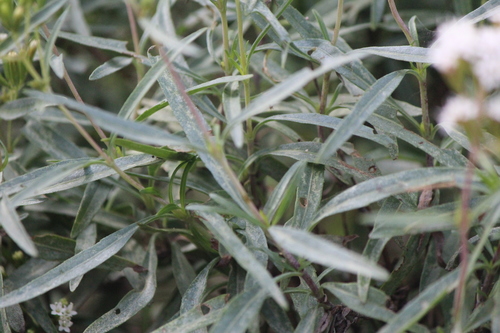
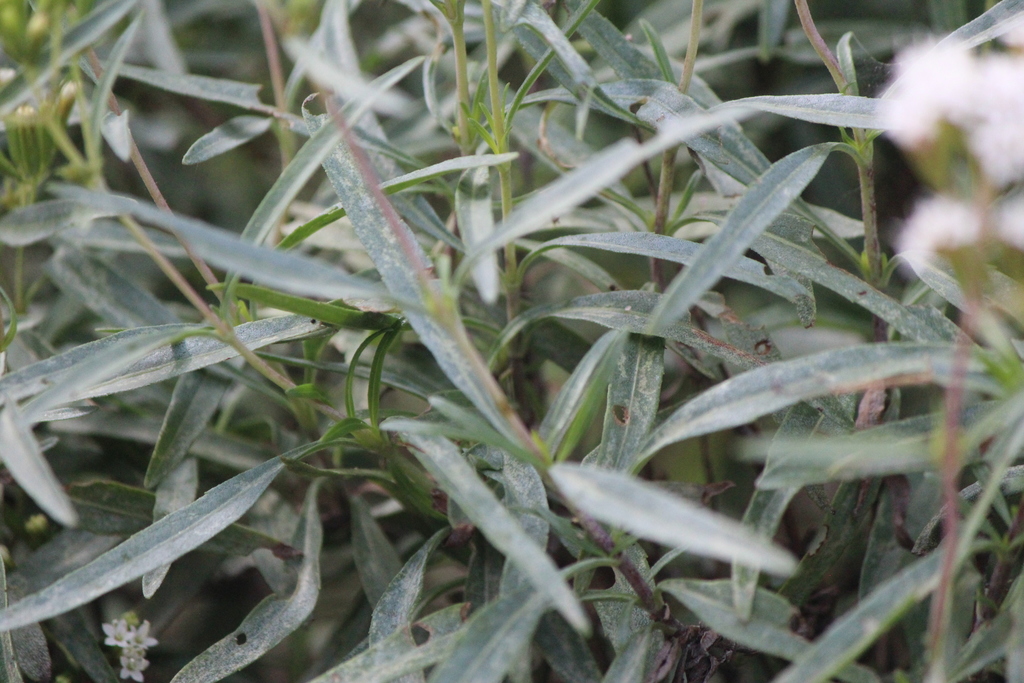
Willow-leaf candyleaf is a woody, aromatic subshrub native to the mountains and canyons of Mexico and the American Southwest. Its narrow, resin-dotted leaves resemble those of a willow, while dense, flat-topped clusters of tiny white flowers crown the stems from late summer into autumn. Unlike its famous South American cousin used for commercial sweeteners, this species has bitter, resinous foliage that helps deter browsing herbivores while its blooms sustain late-season bees and butterflies.
ShrubFloweringPollinator-Friendly
—observations
—countries
—peak records
Not EvaluatedConservation statusIUCN Red List categoriesLCNTVUENCREWEXNot Evaluated — not placed on the risk ladderRed List categories, explained →
Diet & preySunlight, Water, Soil minerals
Predators
- Mule deer
- Browsing livestock
- Leaf-eating insects
ThreatsOvergrazing, altered wildfire regimes, and localized habitat clearing
HabitatsPine-oak woodlands, rocky slopes, canyons, and arid scrublands
Life spanPerennial (several years to decades)
Classification
- FamilyAsteraceae
- SpeciesStevia salicifolia
Range data is not available yet.
Interaction riskLow
- Low
- Moderate
- High
- Very high
- Why interaction risk is low
- Safe to observe at a normal distance.
Responsible observation
- Leaf Scent: Gently rub a narrow, willow-like leaf to release its resinous, herbal aroma.
- Bloom Watching: Check the flat-topped white flower clusters in late summer for butterflies and native bees.
- Habitat Cue: Look along rocky canyon walls and dry pine-oak edges in the Southwest and Mexico.
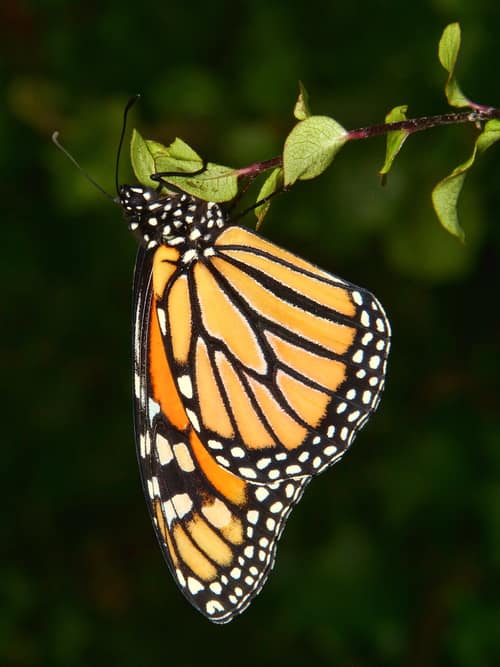
Pollinator Sid Mosdell from New Zealand / CC BY 2.0 · cc-by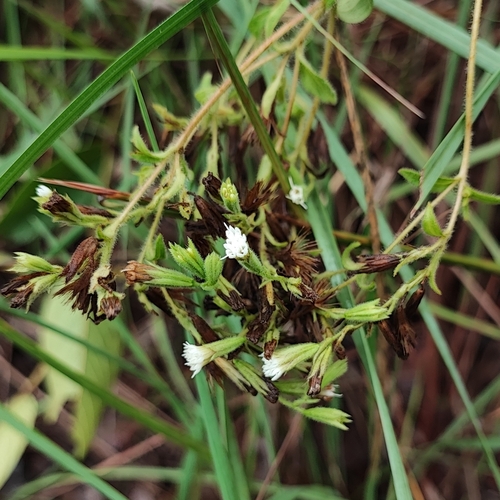
Close Relative (c) Thomaz Ricardo Favreto Sinani, some rights reserved (CC BY) · cc-by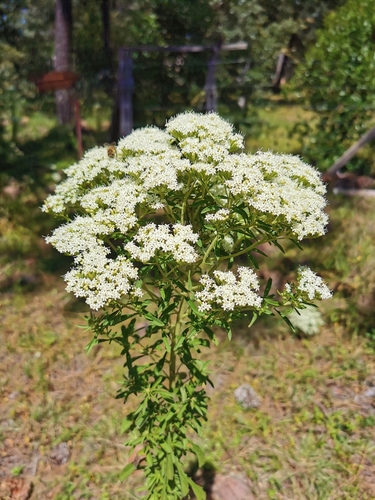
Close Relative (c) M. Socorro González Elizondo, some rights reserved (CC BY-SA), uploaded by M. Socorro González Elizondo · cc-by-sa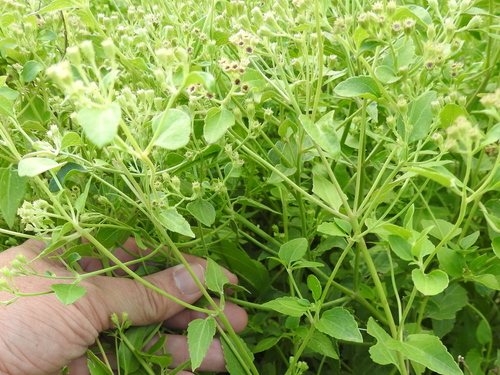
Same Family (c) Sam Kieschnick, some rights reserved (CC BY), uploaded by Sam Kieschnick · cc-by
Help improve the field guideSomething wrong?
Checking your Fauna account…Report a name, category, or profile issue for review.