
Plant
Southern Daisy
Bellis sylvestrisAlso known as Wood Daisy, Wild Daisy
Southern daisies carpet sunny Mediterranean woodland margins, olive groves, and stony pastures with solitary flower heads that follow the path of the sun. Larger than common lawn daisies, their rosettes of elongate, toothed leaves hug the ground beneath leafless flowering stalks. During damp autumn and mild winter months, the white to pink-tipped ray florets open wide each morning and curl shut before dusk or incoming rain.
WildflowerPerennialMediterranean
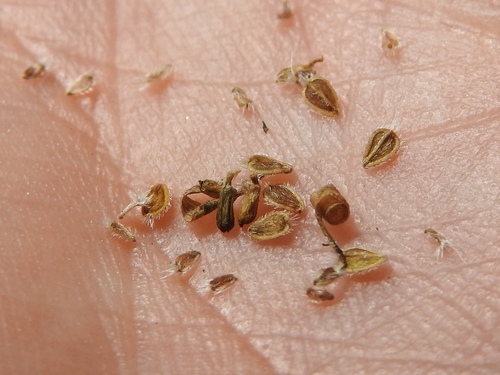
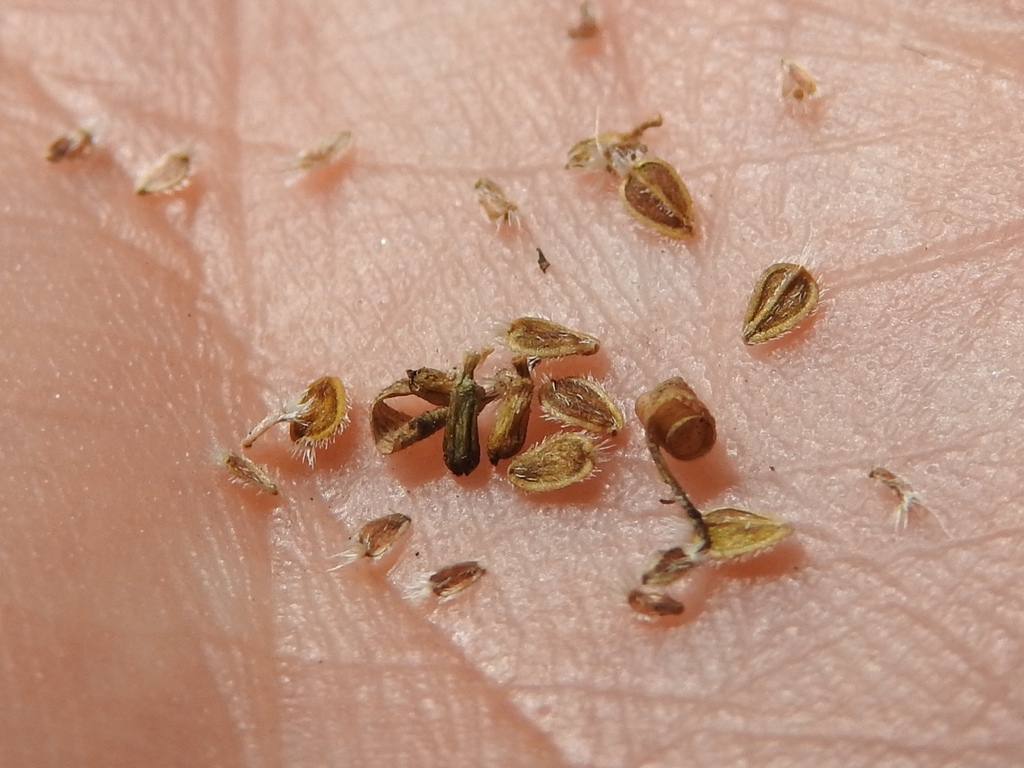
—observations
—countries
—peak records
Not EvaluatedConservation statusIUCN Red List categoriesLCNTVUENCREWEXNot Evaluated — not placed on the risk ladderRed List categories, explained →
Diet & preyPhotoautotrophic (produces energy via photosynthesis)
Predators
- Domestic sheep
- European rabbit
- Garden snail
ThreatsHabitat destruction from intensive agriculture and heavy herbicide application
HabitatsWoodland clearings, garrigue, meadows, roadsides, and olive groves
Life span3–6 years (perennial herb)
Classification
- FamilyAsteraceae
- SpeciesBellis sylvestris
Range data is not available yet.
Interaction riskLow
- Low
- Moderate
- High
- Very high
- Why interaction risk is low
- Safe to observe at a normal distance.
Responsible observation
- Identification: Look for distinctly larger flower heads and longer, narrower leaves than common lawn daisies.
- Best Viewing: Search open olive groves and woodland edges on warm sunny days between late autumn and early spring.
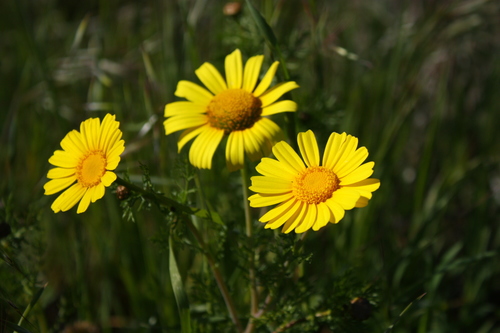
Neighbor no rights reserved · cc0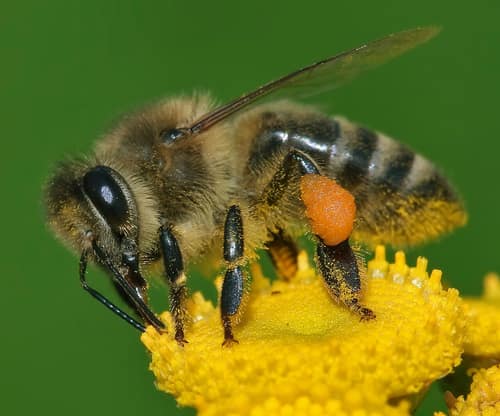
Pollinator Andreas Trepte / CC BY-SA 2.5 · cc-by-sa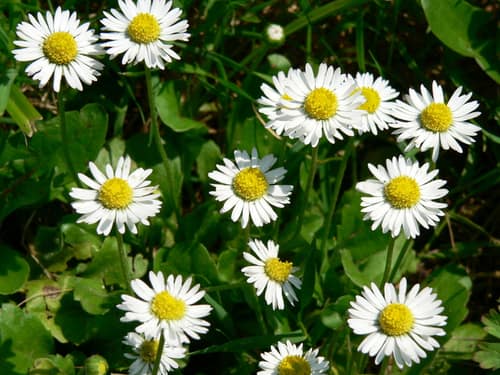
Close Relative (c) m.dolores paderne sa…, some rights reserved (CC BY-SA) · cc-by-sa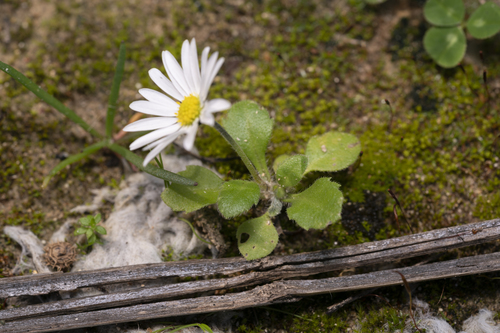
Close Relative (c) Eleftherios Katsillis, some rights reserved (CC BY), uploaded by Eleftherios Katsillis · cc-by
Help improve the field guideSomething wrong?
Checking your Fauna account…Report a name, category, or profile issue for review.