
Flower · GBIF taxon 3116842
Trailing Daisy
Sphagneticola trilobataAlso known as Singapore Daisy, Creeping-oxeye, Bay Biscayne Creeping-oxeye, Wedelia
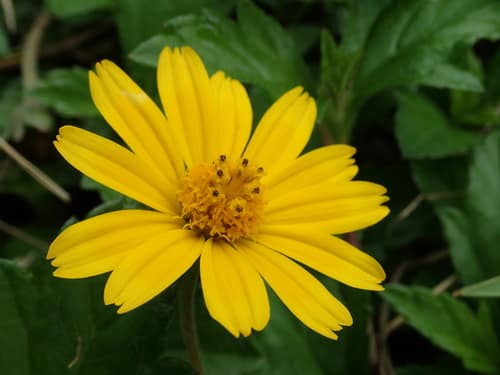
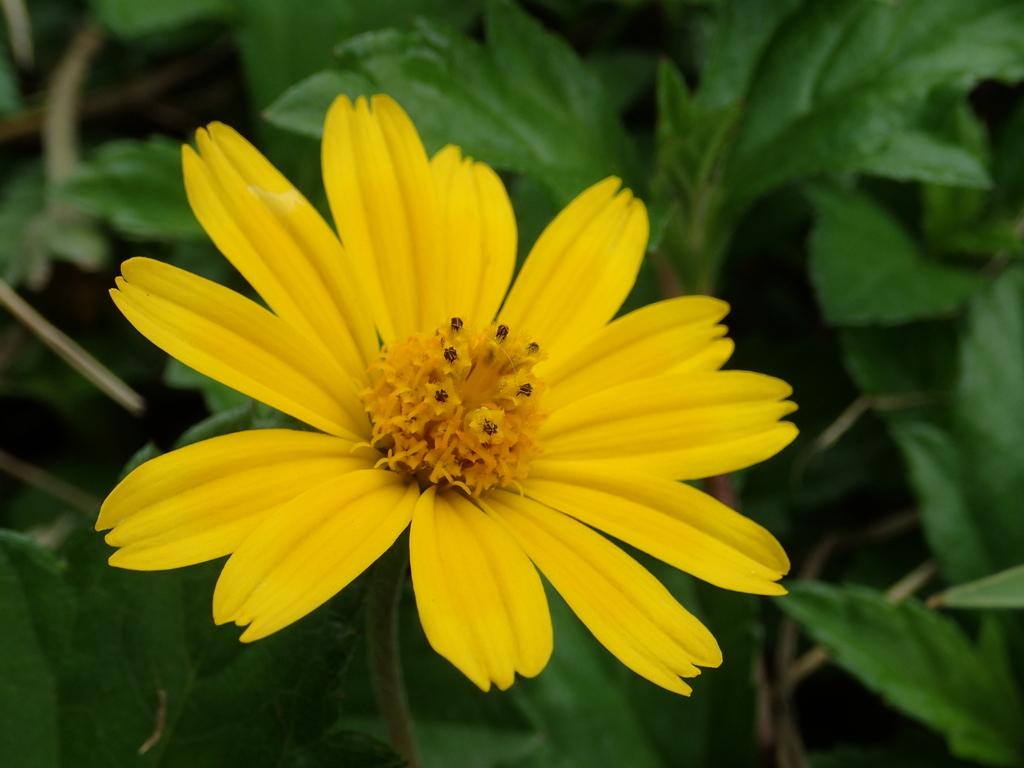
Trailing daisy spreads vigorously across moist soil, throwing out fleshy creeping stems that root firmly at every node to form dense, smothering carpets. Vibrant golden-yellow flower heads bloom year-round in warm climates, attracting a diverse assortment of small native bees, skippers, and flies. Introduced globally as a durable erosion-control groundcover, its aggressive growth has earned it a reputation as one of the tropics' most disruptive invasive weeds.
InvasiveFloweringGroundcover
—observations
—countries
—peak records
Not EvaluatedConservation statusIUCN Red List categoriesLCNTVUENCREWEXNot Evaluated — not placed on the risk ladderRed List categories, explained →
Diet & prey
- Sunlight
- Water
- Soil nutrients
Predators
- Herbivorous insects
- Terrestrial snails
- Grazing livestock
ThreatsHerbicide applications, mechanical clearing, and hand weeding in managed areas
HabitatsCoastal thickets, roadsides, disturbed clearings, canal banks, and agricultural margins
Life spanPerennial (indefinite through persistent clonal spreading)
Size / weightNot available
Classification
- OrderAsterales
- FamilyAsteraceae
- GenusSphagneticola
- SpeciesSphagneticola trilobata
Range data is not available yet.
Interaction riskLow
- Low
- Moderate
- High
- Very high
- Why interaction risk is low
- Safe to observe at a normal distance.
Responsible observation
- Garden Containment: Avoid planting near natural wetlands or waterways where runaway stems easily root and crowd out native flora.
- Identification: Look for fleshy, three-lobed leaves with toothed margins paired with bright yellow daisy-like flower heads on upright stalks.
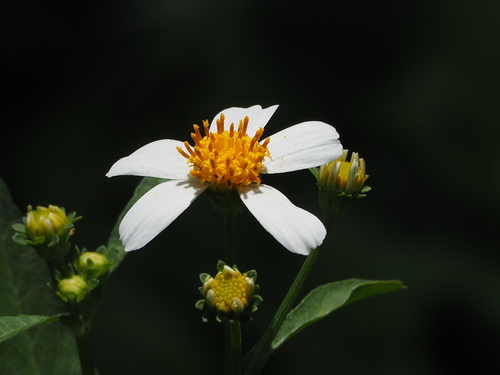
Competitor no rights reserved, uploaded by 葉子 · cc0
Competitor (c) steffiland, some rights reserved (CC BY-SA), uploaded by steffiland · cc-by-sa Image unavailable
Close Relative 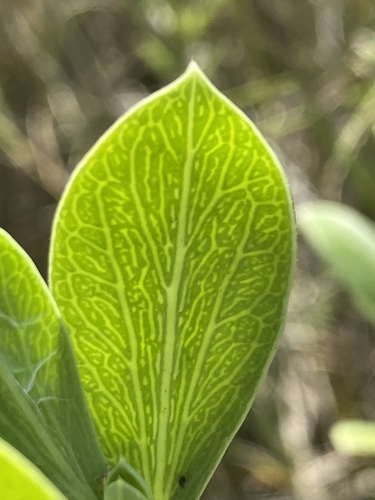
Same Family no rights reserved, uploaded by Alan Weakley · cc0
Help improve the field guideSomething wrong?
Checking your Fauna account…Report a name, category, or profile issue for review.