
Plant · GBIF taxon 3113668
Pitcher's Thistle
Cirsium pitcheriAlso known as Dune Thistle
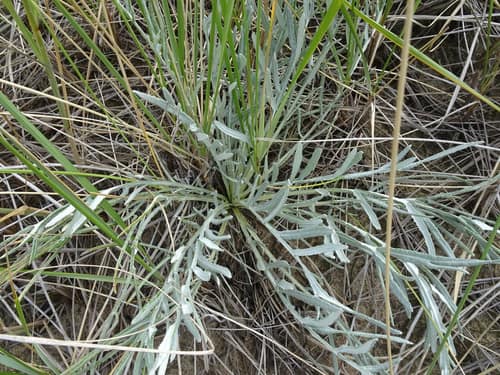
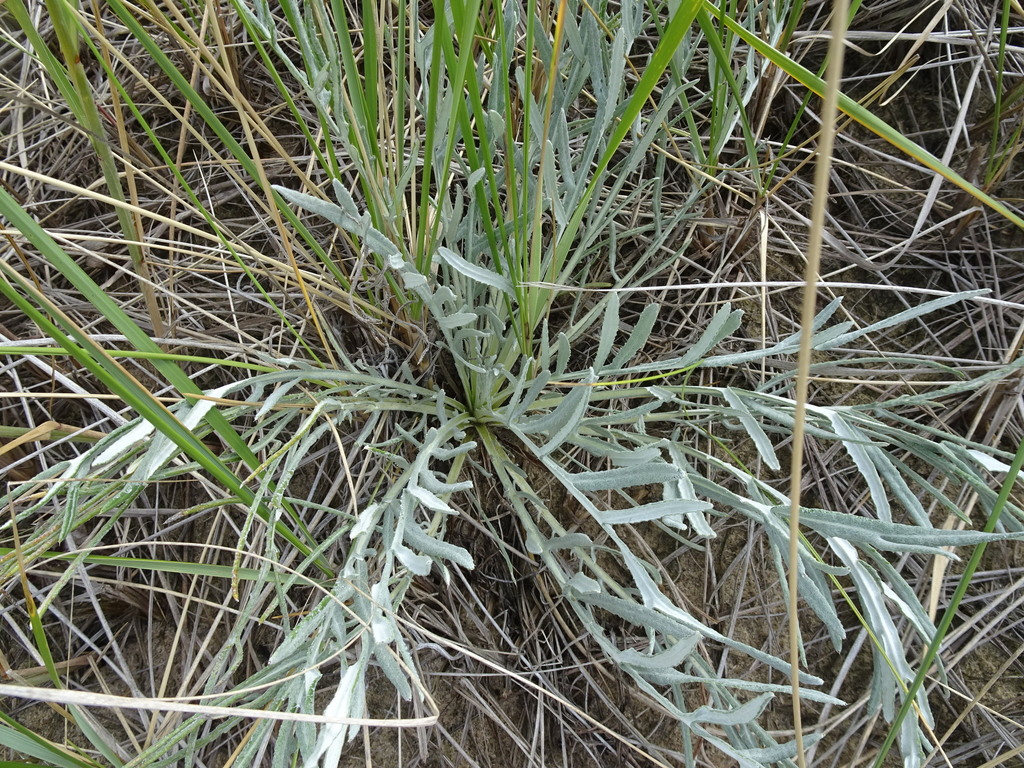
Pitcher's thistle is a pale woolly plant specialized for open sand dunes along the upper Great Lakes. It grows for several years as a rosette, then produces cream to pale pink flower heads once before dying after seed set.
Great Lakes endemicdune specialistmonocarpic thistle
—observations
—countries
—peak records
Not EvaluatedConservation statusIUCN Red List categoriesLCNTVUENCREWEXNot Evaluated — not placed on the risk ladderRed List categories, explained →
Diet & prey
- Photosynthesis; a deep taproot obtains scarce moisture and minerals from shifting sand
Predators
- weevils
- browsing deer
- seed-feeding insects
ThreatsDune development, trampling, vehicles, invasive plants, erosion, browsing, and disrupted sand movement
HabitatsOpen Great Lakes dunes, blowouts, beach ridges, and sparsely vegetated coastal sand
Life spanUsually five to eight years before flowering once and dying
Size / weightNot available
Classification
- FamilyAsteraceae
- SpeciesCirsium pitcheri
Range data is not available yet.
Interaction riskLow
- Low
- Moderate
- High
- Very high
- Why interaction risk is low
- Wild thistles have look-alikes; do not eat, ingest, pick, or collect any material.
- What to notice
- Confirm silvery woolly leaves and pale thistle heads rooted in open upper Great Lakes dune sand.
- Support conservation
- Stay on designated routes, never collect plants or seeds, and withhold precise small-population locations.
Responsible observation
- Foliage: Look for a low silvery woolly rosette on open dune sand.
- Protection: Use marked routes and never approach across vegetated dune crust.
Help improve the field guideSomething wrong?
Checking your Fauna account…Report a name, category, or profile issue for review.