
Plant
Field Thistle
Cirsium discolorAlso known as Pastel Thistle, Two-colored Thistle
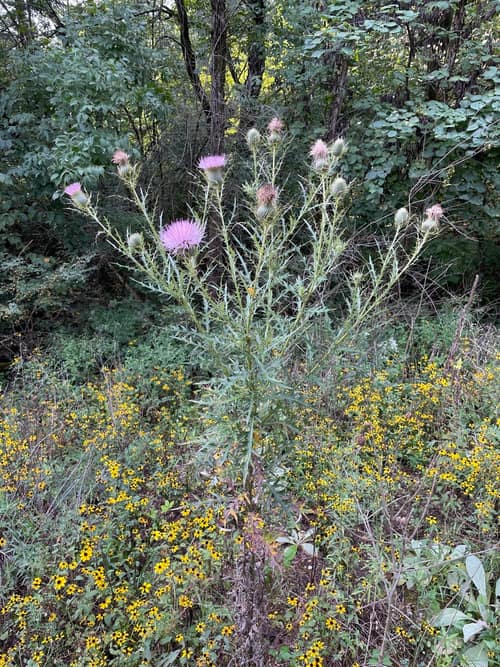
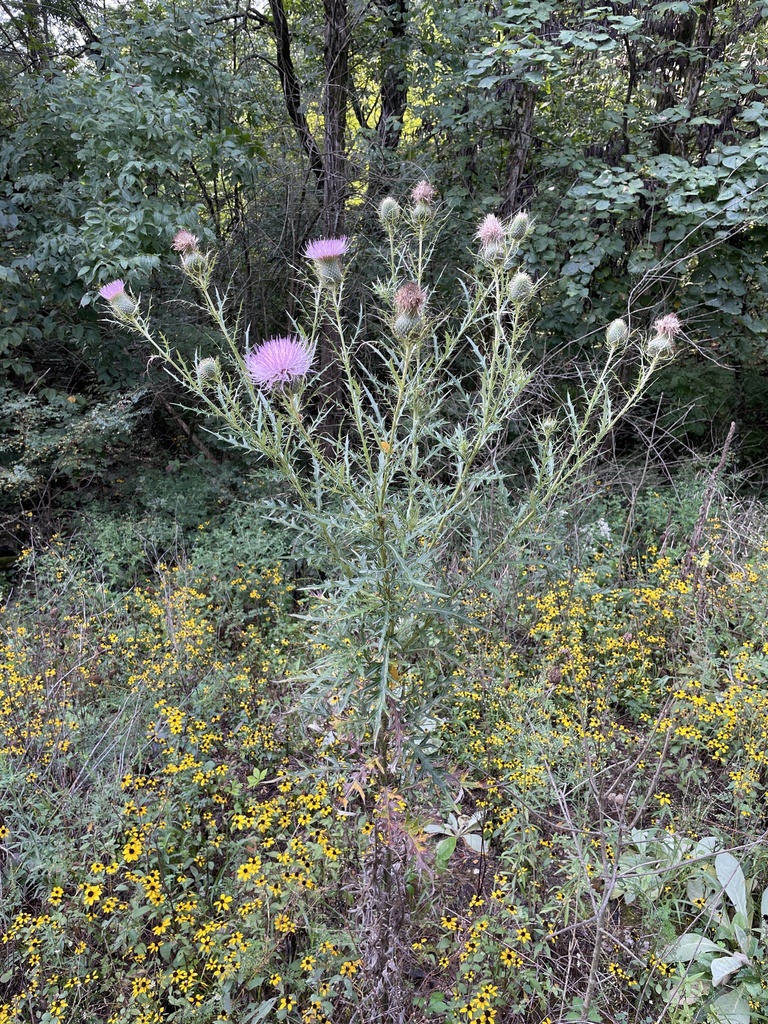
Field thistle produces prominent pinkish-purple flower heads atop tall, branching stems that bloom from midsummer into autumn. The undersides of its deeply lobed leaves are coated in a dense, woolly white down that contrasts sharply with the green upper surfaces. As a vital late-season nectar source, it sustains native bumblebees, monarch butterflies, and goldfinches, unlike invasive Eurasian thistles that outcompete native flora.
Native WildflowerPollinator MagnetPrairie Flora
—observations
—countries
—peak records
Least ConcernConservation statusIUCN Red List categoriesLCNTVUENCREWEXLeast ConcernRed List categories, explained →
Diet & preySunlight, Water, Soil nutrients
Predators
- American Goldfinch
- Painted Lady Butterfly Larva
- White-tailed Deer
ThreatsIndiscriminate herbicide spraying, mowing, and habitat conversion
HabitatsPrairies, old fields, pastures, open woods, and roadsides
Life spanBiennial (2 years)
Classification
- FamilyAsteraceae
- SpeciesCirsium discolor
Range data is not available yet.
Interaction riskLow
- Low
- Moderate
- High
- Very high
- Why interaction risk is low
- Safe to observe at a normal distance, though the leaves and flower bracts bear sharp spines.
Responsible observation
- Leaf underside check: Flip a basal or stem leaf over to reveal the striking chalk-white woolly surface unique to this native species.
- Bract inspection: Look closely at the flower base; field thistle has pale, yellowish spines along the outer bracts that lack sticky resin.
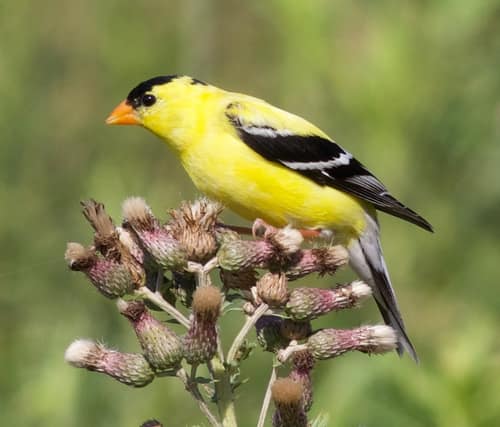
Seed Predator no rights reserved, uploaded by Glenn Berry · cc0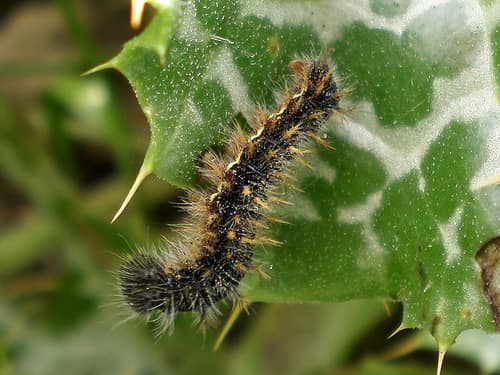
Herbivore no rights reserved, uploaded by Joan C. Hinojosa · cc0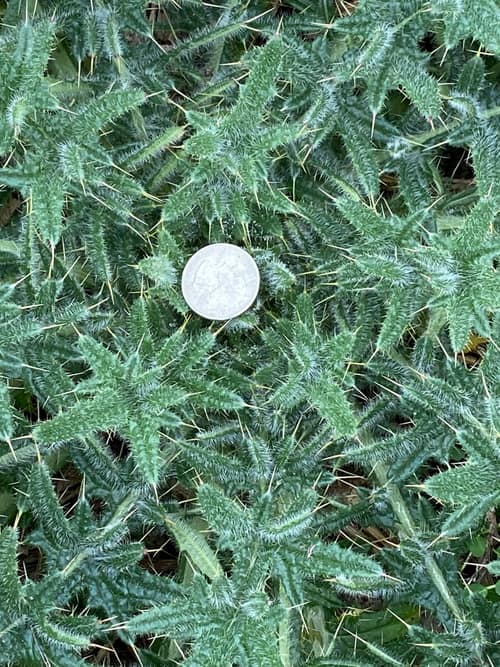
Close Relative (c) Sandy Wolkenberg, some rights reserved (CC BY), uploaded by Sandy Wolkenberg · cc-by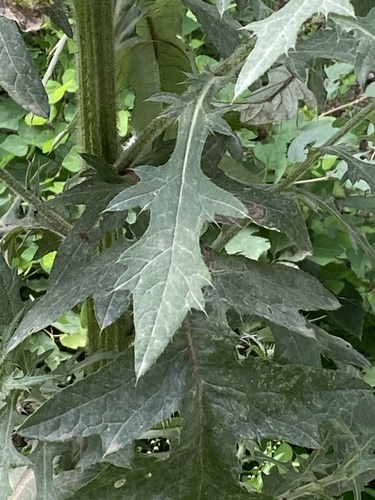
Close Relative (c) Mark Eanes, some rights reserved (CC BY), uploaded by Mark Eanes · cc-by
Help improve the field guideSomething wrong?
Checking your Fauna account…Report a name, category, or profile issue for review.