
Plant
Artichoke Thistle
Cynara cardunculusAlso known as Cardoon, Wild Artichoke, Cardone, Spanish Artichoke
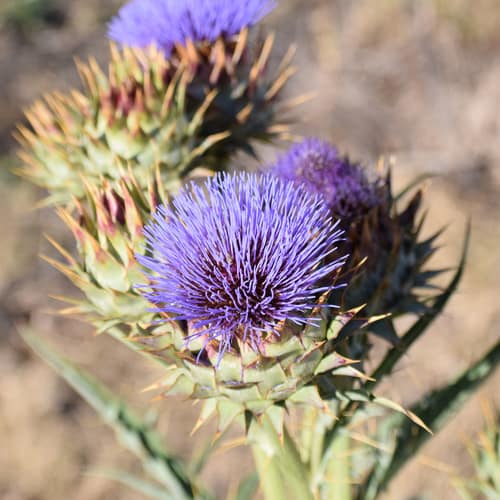
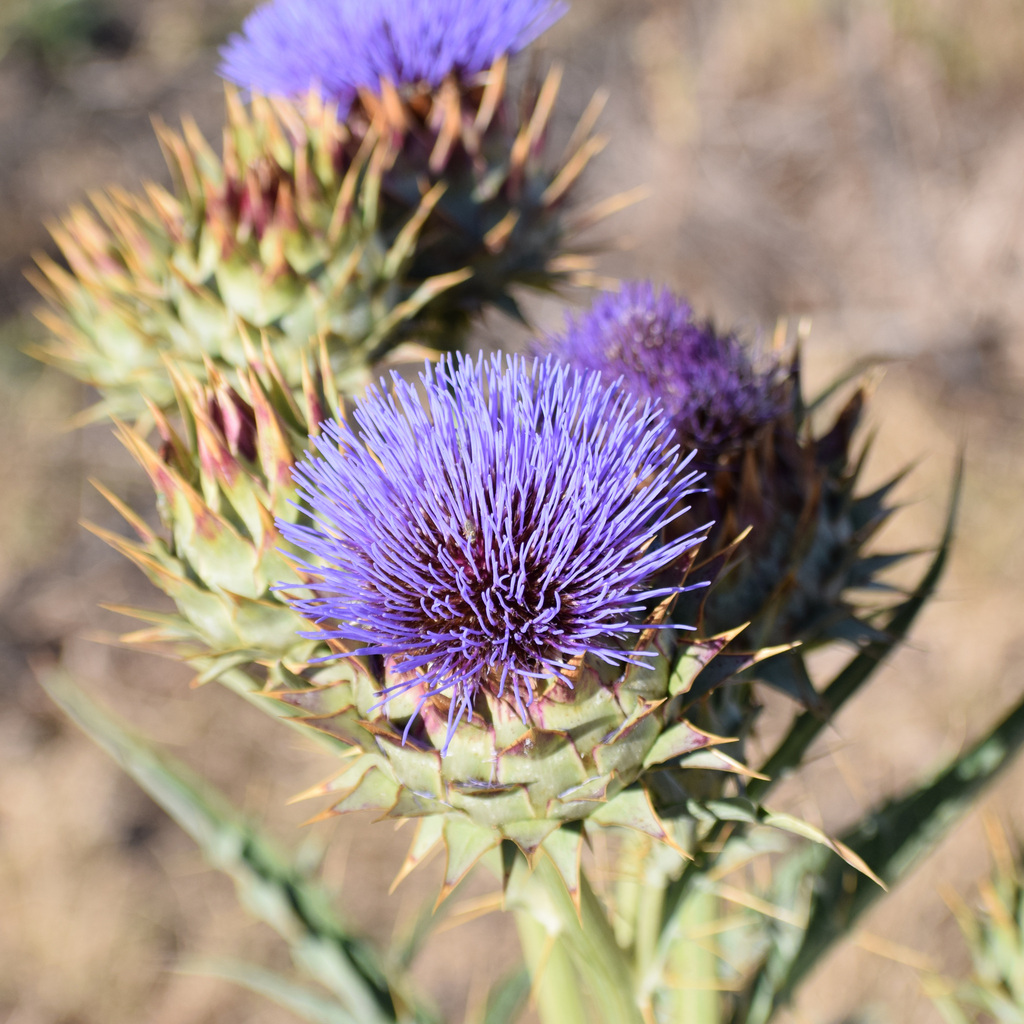
Artichoke thistles form massive basal rosettes with deeply lobed, spiny gray-green foliage before throwing up thick flowering stalks topped with brilliant violet-purple flower heads. Native to dry Mediterranean basins, historical cultivation split the plant into distinct agricultural forms including cardoon and the cultivated globe artichoke. In regions such as California and southern Australia, escaped populations spread aggressively across rangelands, outcompeting native flora with deep taproots and dense shading.
FloweringInvasivePerennial
—observations
—countries
—peak records
Least ConcernConservation statusIUCN Red List categoriesLCNTVUENCREWEXLeast ConcernRed List categories, explained →
Diet & preyAutotrophic (photosynthesis)
Predators
- Livestock (young shoots)
- Goldfinches
- Painted lady butterfly caterpillars
ThreatsHerbicide management and habitat clearing in agricultural areas
HabitatsMediterranean scrub, open grasslands, pastures, disturbed roadsides
Life span5–15 years
Classification
- OrderAsterales
- FamilyAsteraceae
- GenusCynara
- SpeciesCynara cardunculus
Range data is not available yet.
Interaction riskLow
- Low
- Moderate
- High
- Very high
- Why interaction risk is low
- Sharp foliage spines can puncture skin; wear heavy gloves and thick clothing when working near wild plants.
Responsible observation
- Protective Gear: Wear heavy leather gloves and long sleeves when clearing or inspecting spiny stalks.
- Observation Timing: Look for peak purple floral displays during mid-summer months.
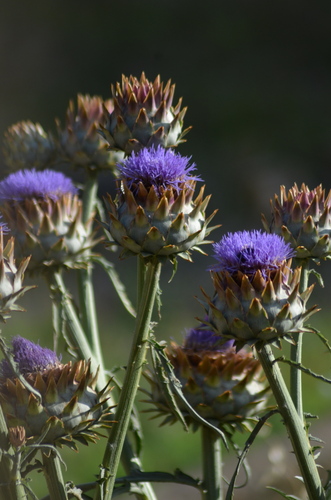
Cultivated Form (c) Nico Hernandez, some rights reserved (CC BY), uploaded by Nico Hernandez · cc-by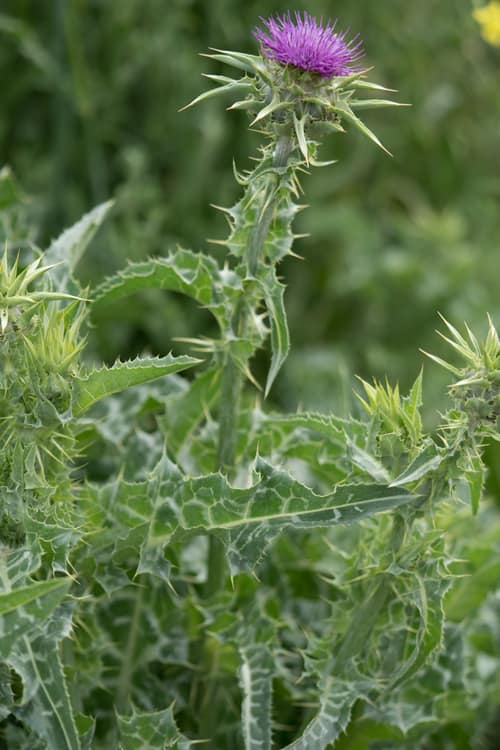
Competitor no rights reserved, uploaded by Jesse Rorabaugh · cc0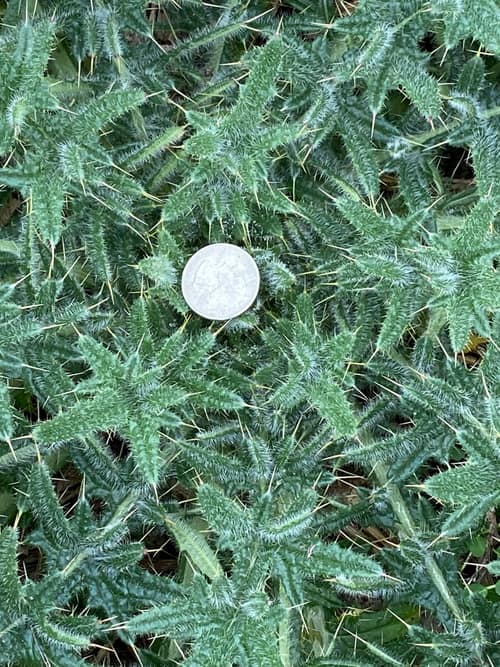
Look-alike (c) Sandy Wolkenberg, some rights reserved (CC BY), uploaded by Sandy Wolkenberg · cc-by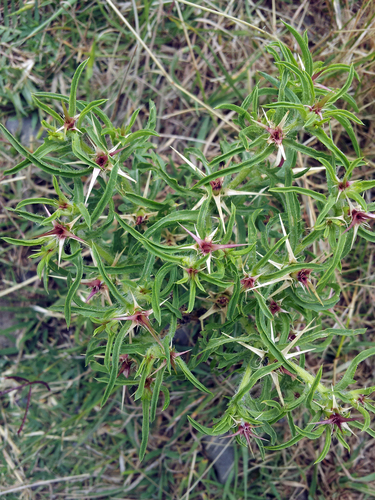
Co-occurring Weed no rights reserved, uploaded by Peter de Lange · cc0
Help improve the field guideSomething wrong?
Checking your Fauna account…Report a name, category, or profile issue for review.