
Plant · GBIF taxon 3110588
Giant Ragweed
Ambrosia trifidaAlso known as Great Ragweed, Buffalo Weed, Kinghead, Horseweed
Towering over roadsides, floodplains, and farm fields, giant ragweed ranks among the fastest-growing annual plants in North America. Its rough, opposite leaves typically divide into three deep lobes, forming dense thickets that quickly outcompete neighboring vegetation for light and nitrogen. During late summer, green terminal flower spikes release billions of wind-borne pollen grains, driving seasonal allergies across the continent.
AllergenWind-PollinatedAnnual
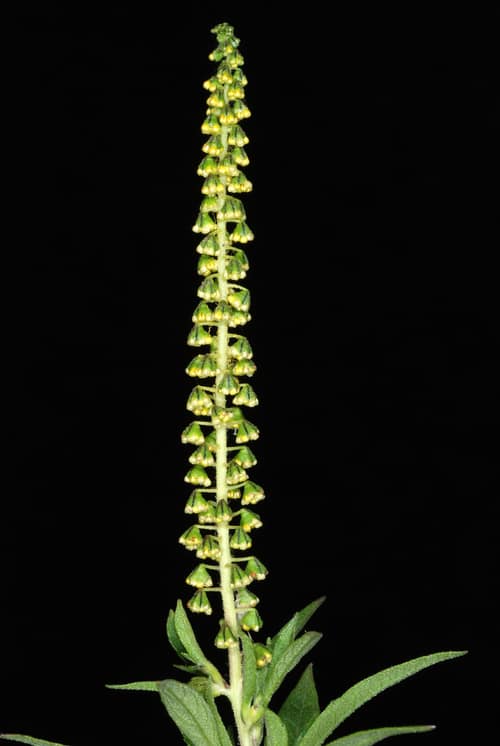
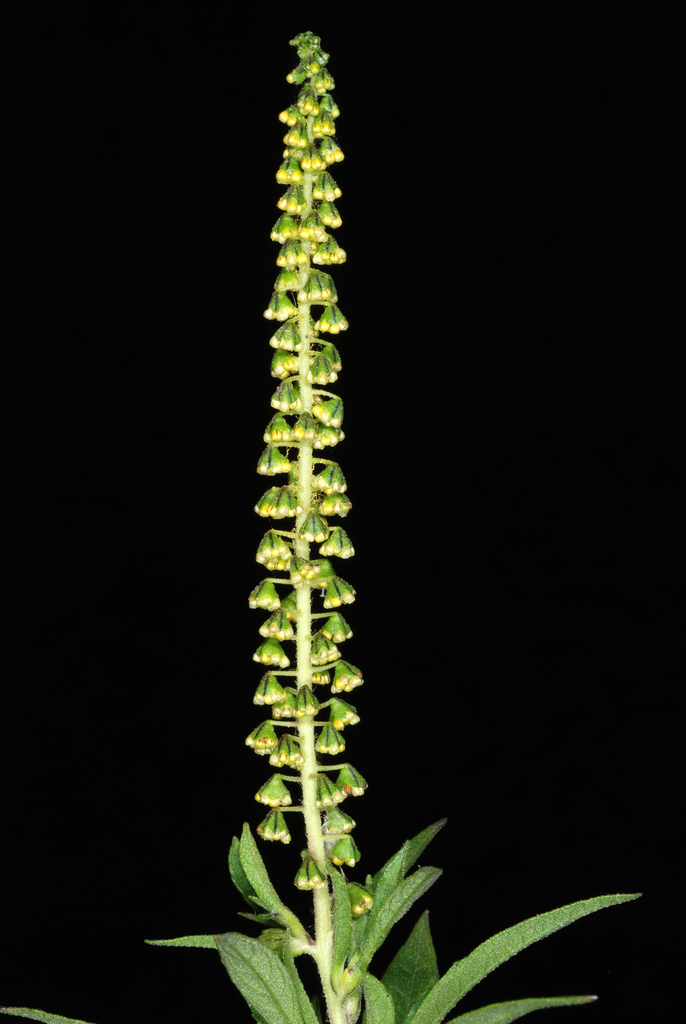 1 / 7
1 / 7—observations
—countries
—peak records
Least ConcernConservation statusIUCN Red List categoriesLCNTVUENCREWEXLeast ConcernRed List categories, explained →
Diet & prey
- Sunlight
- Soil minerals
- Water
Predators
- Ragweed leaf beetle
- American goldfinch
- Field mice
ThreatsWeed control measures and herbicide application
HabitatsDisturbed soil, riverbanks, floodplains, agricultural field margins
Life span1 year (Annual)
Size / weightNot available
Classification
- OrderAsterales
- FamilyAsteraceae
- GenusAmbrosia
- SpeciesAmbrosia trifida
Range data is not available yet.
Interaction riskLow
- Low
- Moderate
- High
- Very high
- Why interaction risk is low
- Produces massive amounts of airborne pollen in late summer; observe from a distance if allergic.
- Why it is dangerous
- Releases vast quantities of wind-borne pollen that causes intense hay fever, severe rhinitis, and asthma attacks.
- How to recognize a risky encounter
- Recognized by its immense height up to four meters and rough leaves usually split into three broad lobes.
- What to do
- Keep clear of mature plants in late summer and autumn to avoid inhalation of dense airborne pollen.
Responsible observation
- Identification: Spot the massive height, rough stems, and large leaves with three distinct pointed lobes.
- Allergy Awareness: Avoid walking through dense stands during the late summer flowering peak to limit exposure.
- Management: Pull young plants in early spring before deep taproots establish and pollen forms.
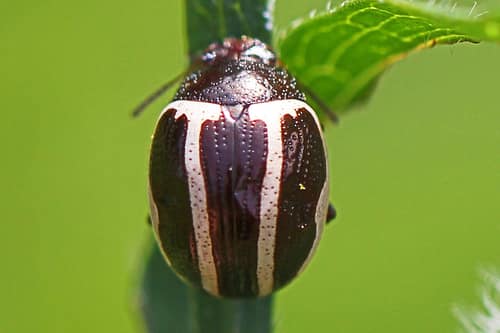
Specialist Herbivore Judy Gallagher / CC BY 2.0 · cc-by
Ecological Competitor (c) Corey Koala, some rights reserved (CC BY) · cc-by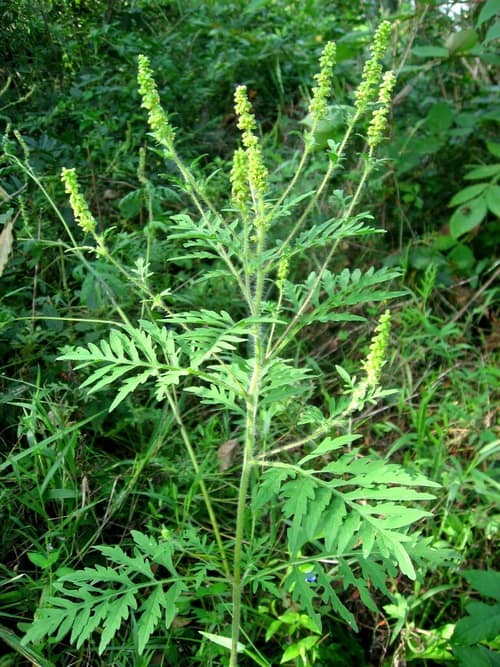
Close Relative (c) Qwert1234, some rights reserved (CC BY-SA) · cc-by-sa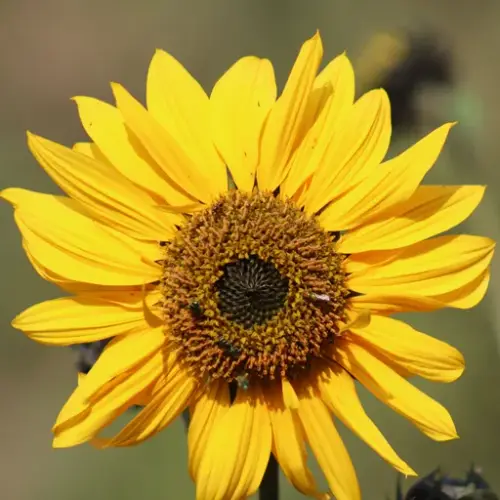
Family Member Dr Photographer / PUBLIC DOMAIN · public domain
Help improve the field guideSomething wrong?
Checking your Fauna account…Report a name, category, or profile issue for review.