
Flower
Prairie Broomweed
Amphiachyris dracunculoidesAlso known as Annual Broomweed, Kindlingweed, False Broomweed
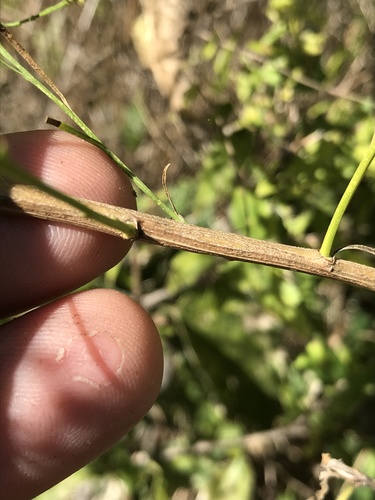
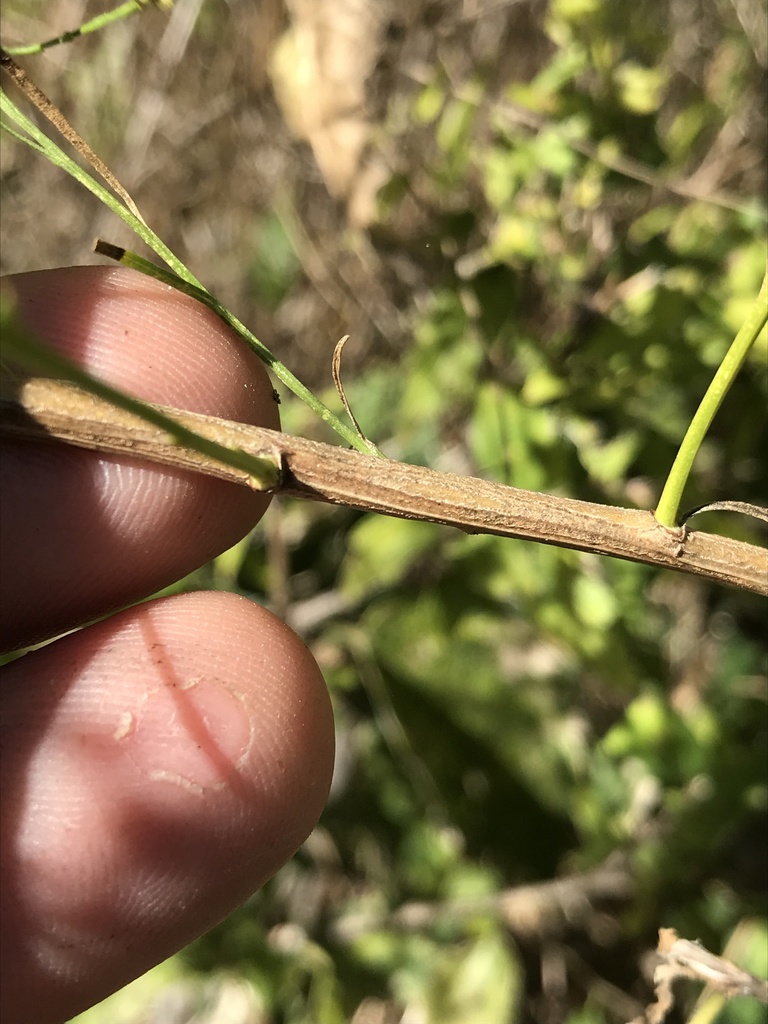
Prairie broomweed forms bushy, rounded crowns dense with wire-like branches that explode into masses of tiny yellow composite flower heads in late summer and autumn. Its aromatic foliage contains sticky resins that deter most grazing livestock, allowing it to rapidly proliferate in overstocked rangelands and disturbed prairies. Historically, early settlers bundled the tough, branched dry stems together to use as domestic sweeping brooms.
WildflowerDrought-TolerantPioneer
—observations
—countries
—peak records
Not EvaluatedConservation statusIUCN Red List categoriesLCNTVUENCREWEXNot Evaluated — not placed on the risk ladderRed List categories, explained →
Diet & preyAutotrophic (photosynthetic)
Predators
- Grasshoppers
- Lygus bugs
- White-tailed deer
ThreatsHerbicide spraying, intensive tilling, and competitive encroachment by invasive pasture grasses
HabitatsDry prairies, pastures, open rangelands, roadsides, and disturbed fields
Life spanAnnual (single growing season)
Classification
- OrderAsterales
- FamilyAsteraceae
- GenusAmphiachyris
- SpeciesAmphiachyris dracunculoides
Range data is not available yet.
Interaction riskHigh
- Low
- Moderate
- High
- Very high
- Why interaction risk is high
- Resinous sap and pollen can cause contact dermatitis and eye irritation; avoid handling barehanded.
- Why it is dangerous
- Leaves and stems contain volatile terpenes, saponins, and resinous oils that cause contact dermatitis and severe eye inflammation.
- How to recognize a risky encounter
- Look for a dome-like annual taprooted herb with wiry branching stems and tiny yellow daisy-like flower heads.
- What to do
- Do not touch leaves or rub eyes after handling; wear gloves and wash hands thoroughly with soap if exposed.
Responsible observation
- Observation: Look closely at rangeland pastures from August to October when entire fields glow bright gold.
- Handling: Wear gloves when collecting botanical specimens to prevent resin transfer to the eyes or skin.
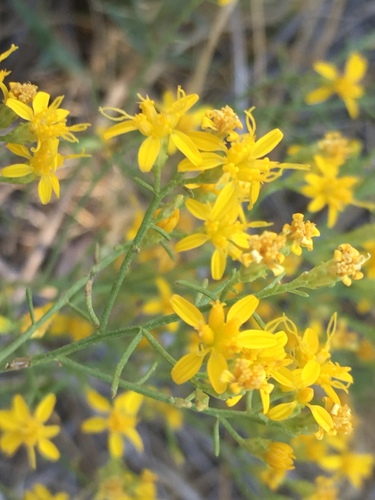
Look-alike (c) W. Terry Hunefeld, some rights reserved (CC BY), uploaded by W. Terry Hunefeld · cc-by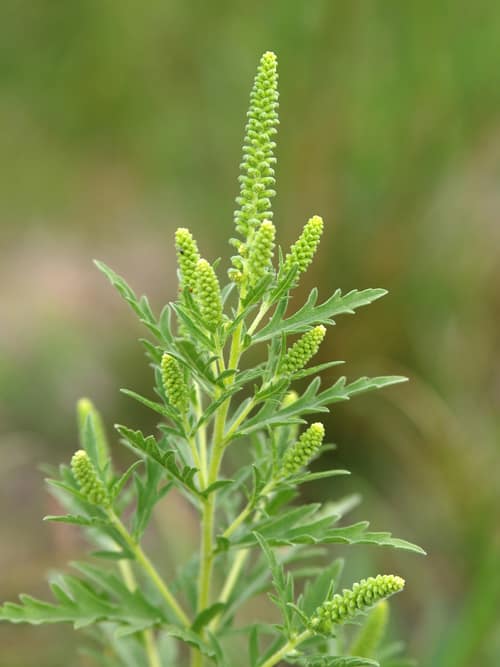
Competitor (c) Annabell Hormann / korina.info, some rights reserved (CC BY-SA) · cc-by-sa Image unavailable
Close Relative 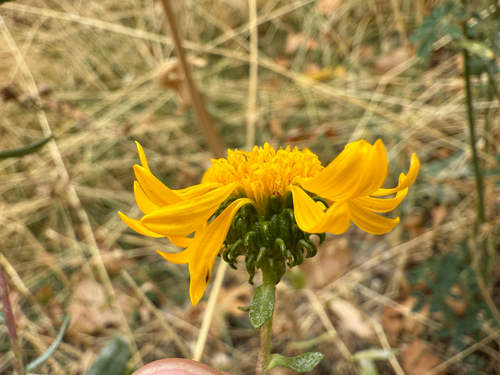
Same Family (c) Zach Earl, some rights reserved (CC BY) · cc-by
Help improve the field guideSomething wrong?
Checking your Fauna account…Report a name, category, or profile issue for review.