
Plant
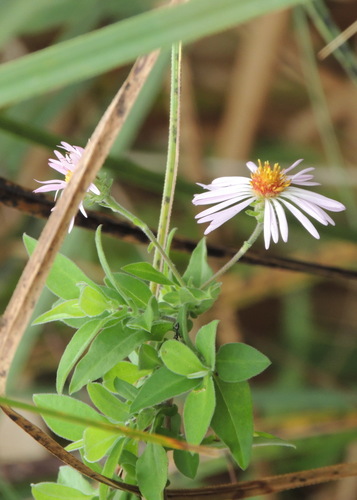
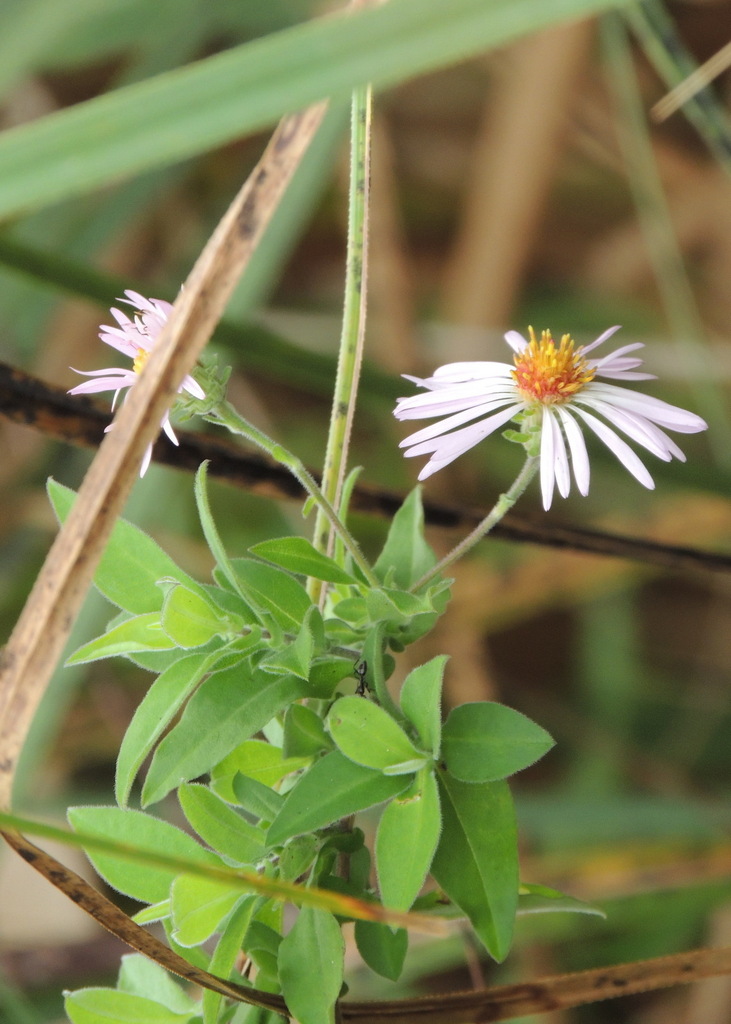
Climbing Aster
Ampelaster carolinianusAlso known as Carolina Aster, Climbing Carolina Aster
Climbing asters clamber through wetland shrubs and trees using arching, semi-woody stems to display hundreds of fragrant, lavender-pink blossoms. Peak flowering arrives in late autumn and early winter, turning swamp borders into vital nectar corridors for migrating butterflies and foraging bees when few other floral sources remain. Unlike typical herbaceous asters, mature plants form substantial woody bases that comfortably endure seasonal inundation in southern floodplains.
FloweringVineWetland
—observations
—countries
—peak records
Least ConcernConservation statusIUCN Red List categoriesLCNTVUENCREWEXLeast ConcernRed List categories, explained →
Diet & preySunlight, Water, Soil nutrients
Predators
- White-tailed deer
- Caterpillars
- Herbivorous beetles
ThreatsWetland drainage, shoreline development, and competing invasive vines
HabitatsSwamps, freshwater marshes, ditch edges, and riverbanks
Life spanPerennial (10+ years)
Classification
- FamilyAsteraceae
- SpeciesAmpelaster carolinianus
Range data is not available yet.
Interaction riskLow
- Low
- Moderate
- High
- Very high
- Why interaction risk is low
- Safe to observe at a normal distance.
Responsible observation
- Late-Season Scouting: Look for lavender blooms sprawling across sunny canal banks and swamp margins from October through December.
- Fragrance Check: Lean in close on a warm, sunny afternoon to catch the sweet, mild perfume of the blossom clusters.
- Garden Trellising: Provide a sturdy arbor or fence in wet, sunny soil to manage its vigorous, leaning growth habit.
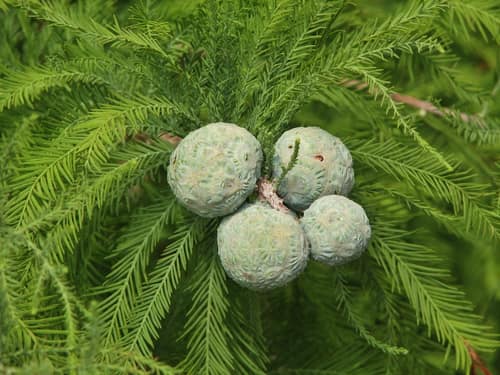
Habitat Companion (c) Annika Lindqvist, some rights reserved (CC BY), uploaded by Annika Lindqvist · cc-by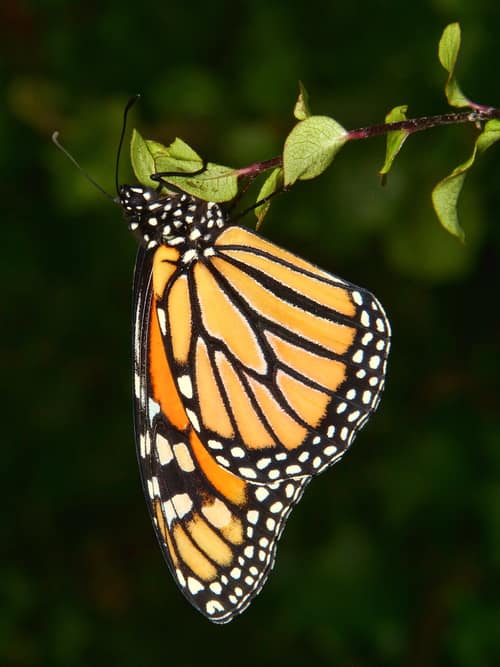
Pollinator Sid Mosdell from New Zealand / CC BY 2.0 · cc-by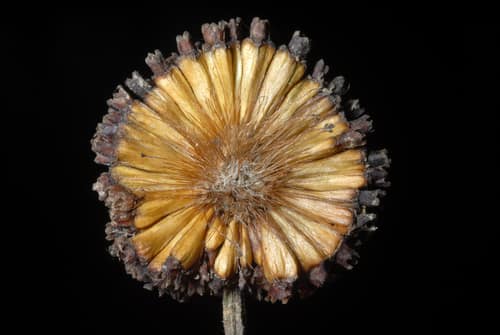
Habitat Companion (c) Douglas Goldman, some rights reserved (CC BY-SA), uploaded by Douglas Goldman · cc-by-sa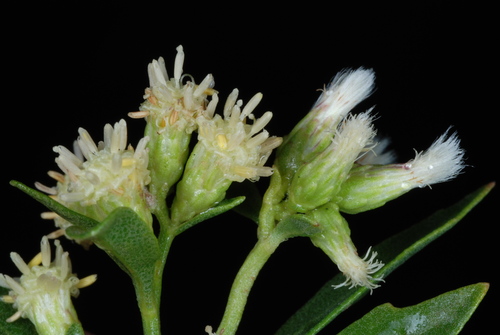
Same Family (c) Douglas Goldman, some rights reserved (CC BY-SA), uploaded by Douglas Goldman · cc-by-sa
Help improve the field guideSomething wrong?
Checking your Fauna account…Report a name, category, or profile issue for review.