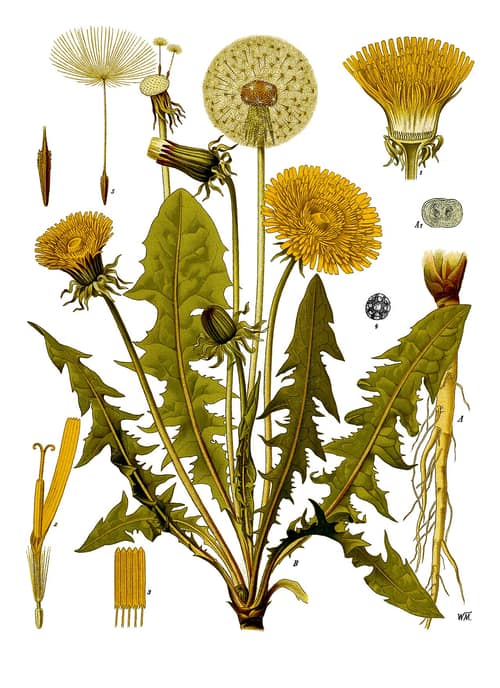
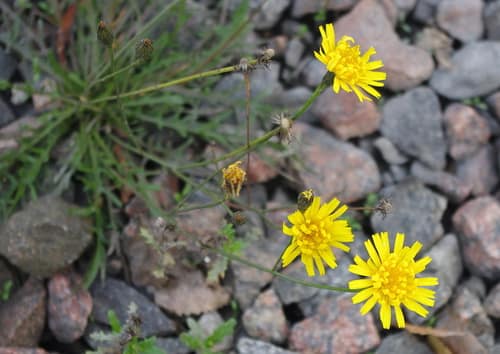
Also known as Flatweed, Catsear, Hairy Cat's Ear, False Dandelion
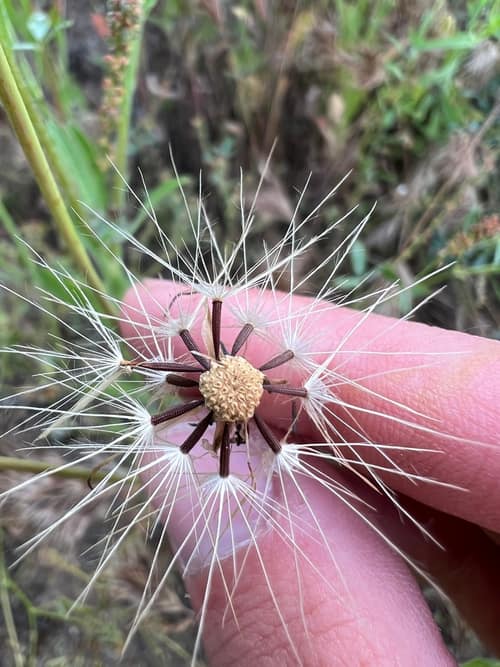
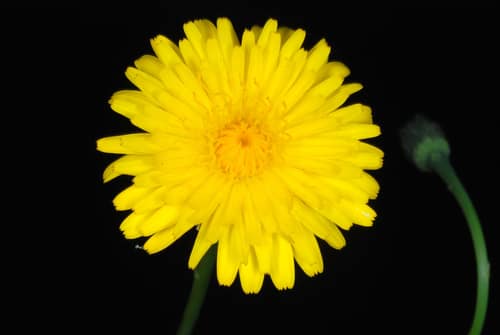
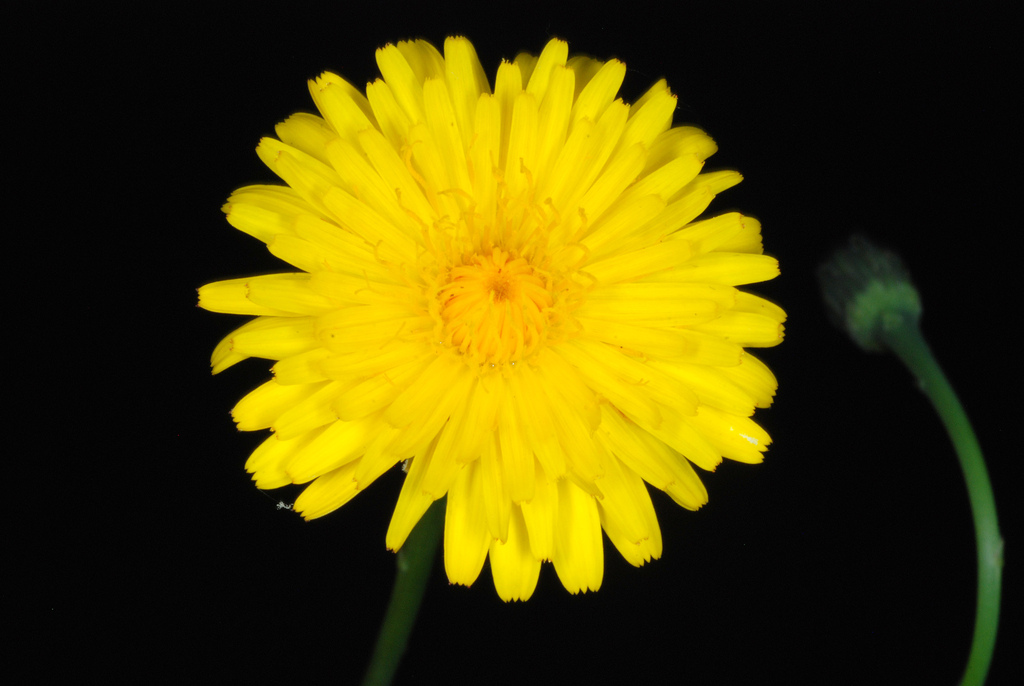
Common cat's-ear forms a dense, ground-hugging rosette of deeply lobed, bristly leaves that easily survive routine lawn mowing. Wiry, leafless flower stalks branch near the top to display bright yellow composite heads that open during sunny mornings and close tightly by late afternoon. The windborne seeds, tipped with feathery parachutes, quickly establish along roadsides, pastures, and disturbed meadows across temperate regions worldwide.
ThreatsHerbicide application, intensive lawn cultivation, and pasture renovation
HabitatsLawns, pastures, roadsides, meadows, and disturbed ground
Life spanPerennial (typically 3–10 years)
Classification
OrderAsterales
FamilyAsteraceae
GenusHypochaeris
SpeciesHypochaeris radicata
Range & activity
Range data is not available yet.
Safe observation
Interaction riskHigh
Low
Moderate
High
Very high
Why interaction risk is high
Toxic to horses, causing nerve disorders when grazed heavily; safe for humans to observe.
Why it is dangerous
Contains unidentified neurotoxins that trigger Australian stringhalt in horses, leading to sudden involuntary flexion of the hind legs and muscle atrophy.
How to recognize a risky encounter
Recognized by rough, bristly rosette leaves pressed flat to the turf and tall, branched, wiry flower stalks.
What to do
Completely safe to touch or observe, but eradicate from equine pastures to prevent livestock poisoning.
Responsible observation
Stem Inspection: Check whether flower stems are solid and branched to distinguish it from true dandelions.
Leaf Texture: Gently touch the basal rosette to feel the stiff, rough hairs that give the plant its name.
Pasture Safety: Keep grazing horses away from pastures heavily overtaken by this weed during dry periods.

 1 / 7
1 / 7