
Plant · GBIF taxon 3092576
Cup Plant
Silphium perfoliatumAlso known as Cup-Plant, Indian Cup, Carpenter's Weed
Cup plants earn their name from paired leaves that fuse completely around the square stem, creating natural basin cups that collect rainwater for birds, frogs, and insects. Rising toweringly above tallgrass prairies and moist meadows, these long-lived perennials produce dozens of bright yellow blossom heads from midsummer into autumn. Their deep taproots make them exceptionally drought-tolerant and vital stabilizers along stream banks and wet prairie soils.
Prairie NativeYellow FlowersPollinator Magnet
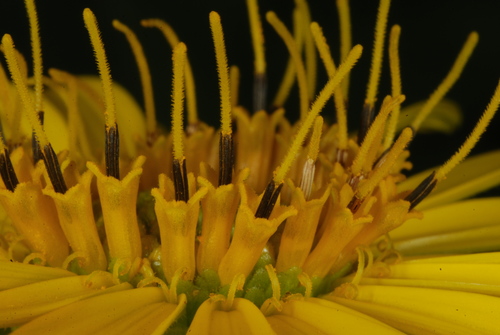
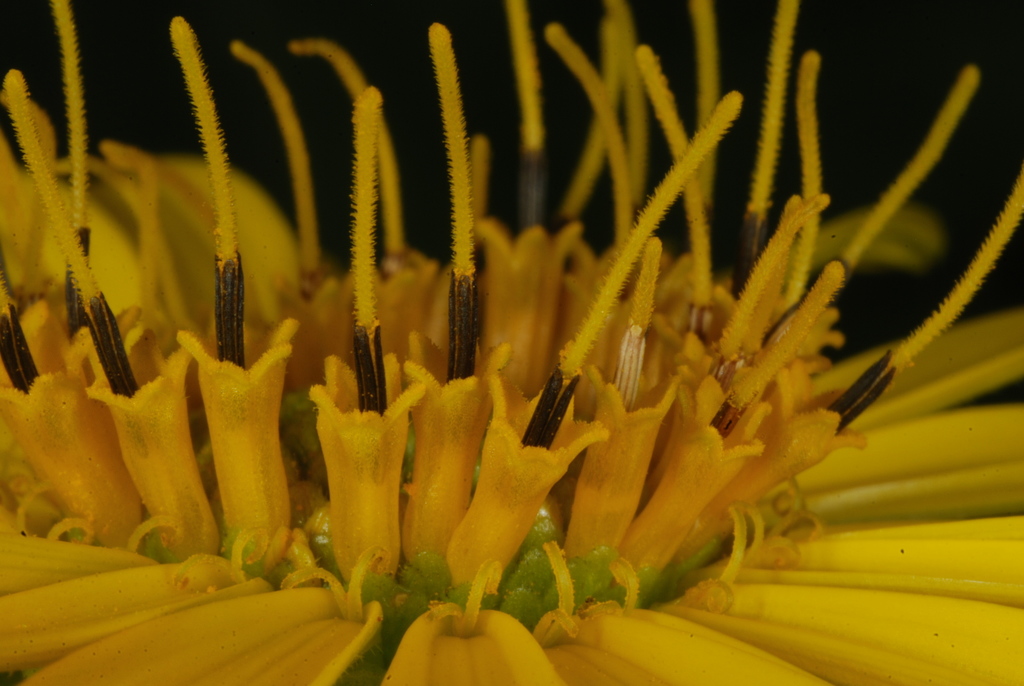 1 / 7
1 / 7—observations
—countries
—peak records
Least ConcernConservation statusIUCN Red List categoriesLCNTVUENCREWEXLeast ConcernRed List categories, explained →
Diet & prey
- Sunlight
- Water
- Soil Minerals
Predators
- American Goldfinch
- White-Tailed Deer
- Gall Wasps
ThreatsHabitat loss, agricultural conversion, herbicide runoff
HabitatsTallgrass prairies, moist meadows, floodplain margins, stream banks
Life spanPerennial (10+ years)
Size / weightNot available
Classification
- OrderAsterales
- FamilyAsteraceae
- GenusSilphium
- SpeciesSilphium perfoliatum
Range data is not available yet.
Interaction riskLow
- Low
- Moderate
- High
- Very high
- Why interaction risk is low
- Safe to observe at a normal distance.
Responsible observation
- Water Inspection: Look inside the fused leaf cups after rain to spot small birds or insects drinking.
- Stem Check: Feel the distinct four-sided, square stem that supports these heavy multi-branched stalks.
- Autumn Wildlife Watching: Observe the flower heads in fall when finches cling to stems to harvest seeds.
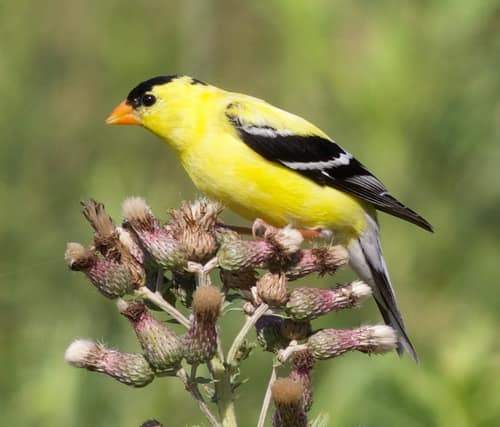
Seed Consumer no rights reserved, uploaded by Glenn Berry · cc0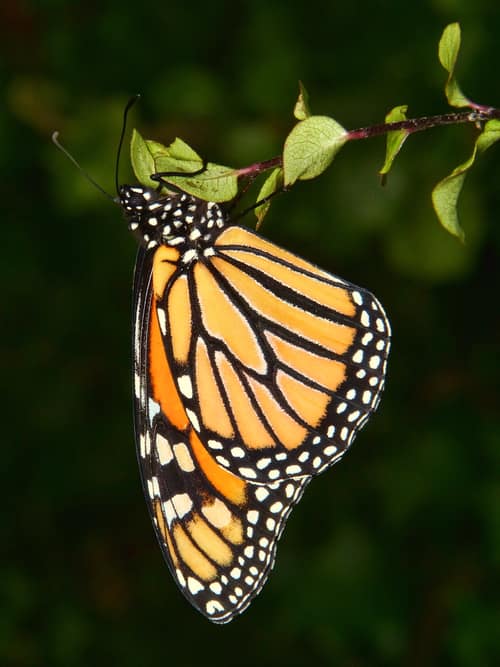
Nectar Visitor Sid Mosdell from New Zealand / CC BY 2.0 · cc-by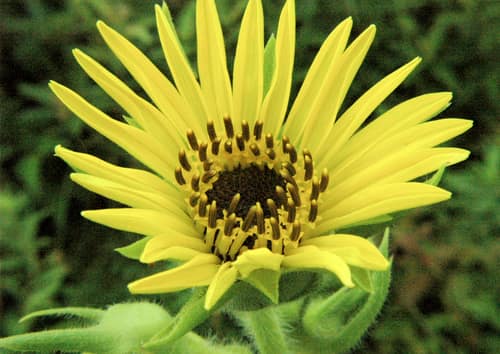
Close Relative (c) Frank Mayfield, some rights reserved (CC BY-SA) · cc-by-sa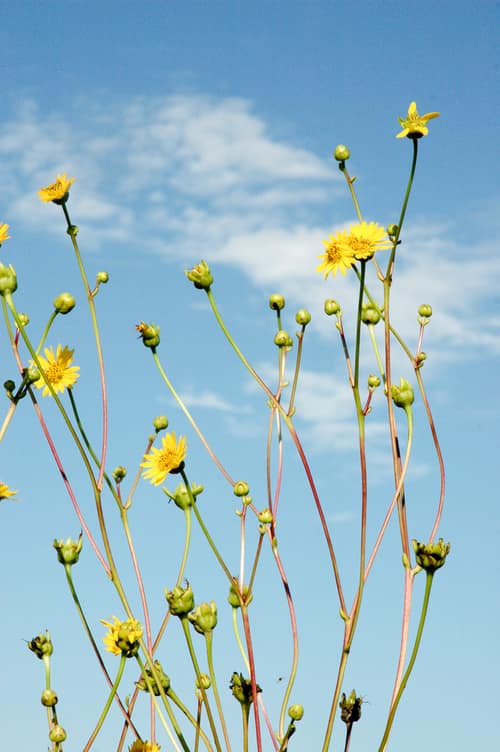
Close Relative (c) Frank Mayfield, some rights reserved (CC BY-SA) · cc-by-sa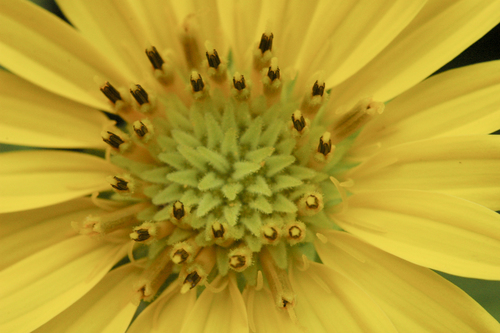
Close Relative (c) Frank Mayfield, some rights reserved (CC BY-SA) · cc-by-sa
Help improve the field guideSomething wrong?
Checking your Fauna account…Report a name, category, or profile issue for review.