
Flower · GBIF taxon 3090343
Blue Mistflower
Conoclinium coelestinumAlso known as Mistflower, Wild Ageratum, Blue Boneset
Blue mistflower brightens moist meadows and wetland edges in late summer and autumn with dense corymbs of fuzzy, azure to lavender-blue disk florets. Spreading vigorously via underground rhizomes, it often forms soft, haze-like carpets that provide an essential late-season nectar stop for migrating monarch butterflies and solitary bees. The plant easily tolerates saturated soils where other garden perennials struggle, making it an ecological workhorse in rain gardens and riparian zones.
FloweringPollinator MagnetPerennial
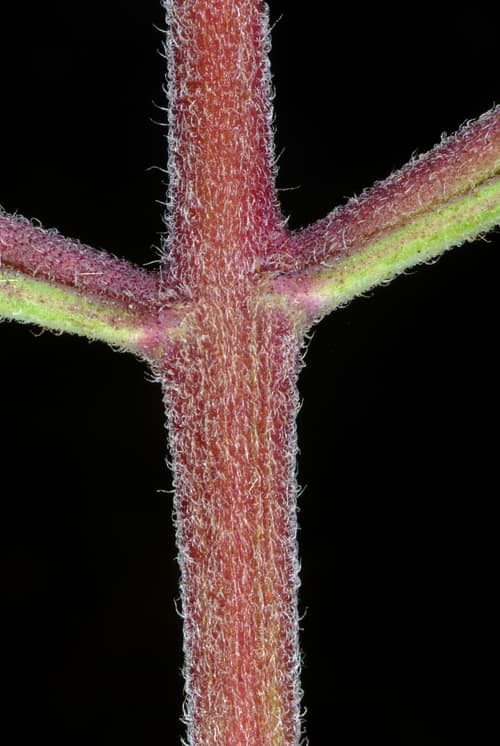
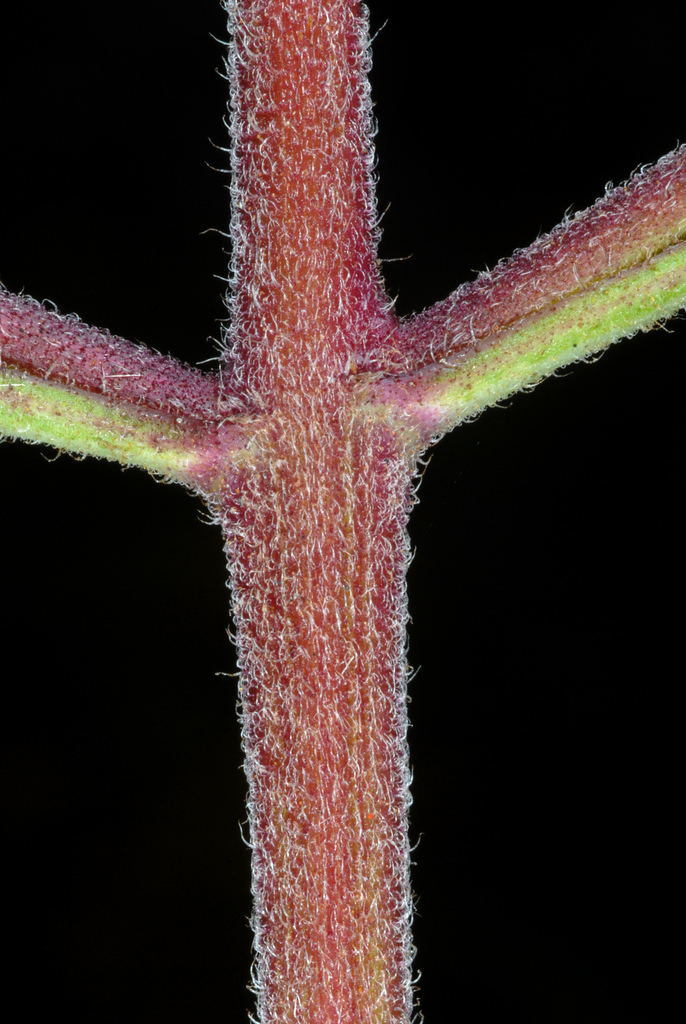 1 / 7
1 / 7—observations
—countries
—peak records
Least ConcernConservation statusIUCN Red List categoriesLCNTVUENCREWEXLeast ConcernRed List categories, explained →
Diet & prey
- Sunlight
- Water
- Soil nutrients
Predators
- White-tailed deer
- Grasshoppers
- Leaf-mining caterpillars
ThreatsWetland drainage, severe prolonged drought, and displacement by invasive plants
HabitatsMoist meadows, streambanks, wet woods, ditches, and pond edges
Life spanPerennial (individual rootstocks persist indefinitely via rhizomes)
Size / weightNot available
Classification
- OrderAsterales
- FamilyAsteraceae
- GenusConoclinium
- SpeciesConoclinium coelestinum
Range data is not available yet.
Interaction riskLow
- Low
- Moderate
- High
- Very high
- Why interaction risk is low
- Safe to observe at a normal distance.
Responsible observation
- Pollinator Watching: Visit blooming stands on warm autumn afternoons to observe native bees and butterflies feasting.
- Colony Management: Provide ample room or physical borders in gardens, as creeping rhizomes spread rapidly in damp soil.
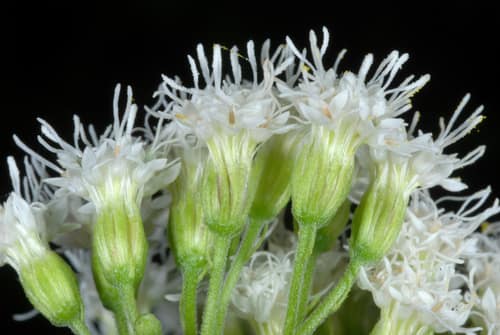
Botanical Cousin (c) Douglas Goldman, some rights reserved (CC BY-SA), uploaded by Douglas Goldman · cc-by-sa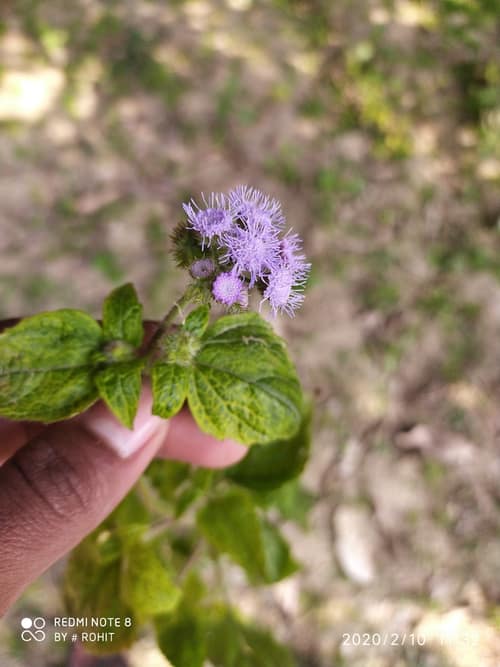
Garden Look-Alike (c) Ankit Shakya, some rights reserved (CC BY) · cc-by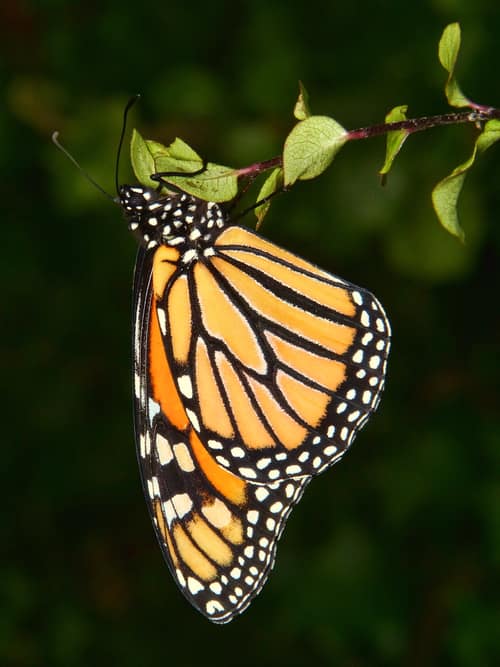
Pollinator Sid Mosdell from New Zealand / CC BY 2.0 · cc-by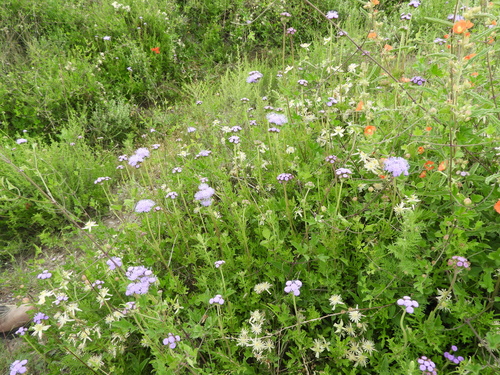
Close Relative (c) Leticia Jiménez Hernández, some rights reserved (CC BY-SA), uploaded by Leticia Jiménez Hernández · cc-by-sa
Help improve the field guideSomething wrong?
Checking your Fauna account…Report a name, category, or profile issue for review.