
Plant
Mexican Marigold
Tagetes lucidaAlso known as Mexican Tarragon, Mexican Mint Marigold, Texas Tarragon, Sweetscented Marigold
Mexican marigolds form upright clumps of glossy, lance-shaped leaves that release a sharp anise and tarragon scent when brushed or crushed. From late summer into autumn, dense clusters of golden-yellow flower heads attract butterflies, bees, and hoverflies across highland meadows and pine-oak woodlands from Mexico to Central America. Known historically as yauhtli in Nahuatl, the plant has long been used in traditional herbal infusions and burned as ceremonial incense.
PerennialAromaticFlowering
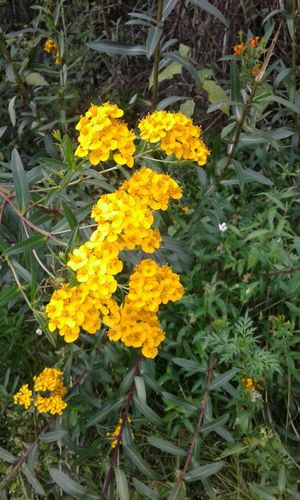
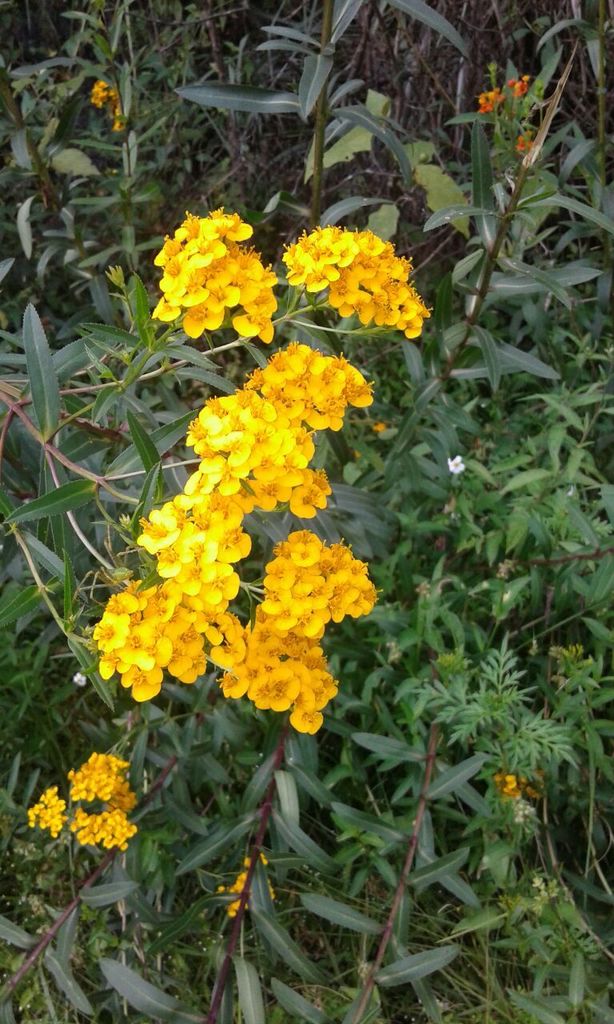
—observations
—countries
—peak records
Not EvaluatedConservation statusIUCN Red List categoriesLCNTVUENCREWEXNot Evaluated — not placed on the risk ladderRed List categories, explained →
Diet & preyPhotosynthetic autotroph; absorbs water and mineral nutrients from well-drained soil
Predators
- Aphids
- Spider mites
- Slugs
ThreatsHabitat conversion, localized wild harvesting, and hard frosts outside mild climates
HabitatsPine-oak forests, highland meadows, rocky slopes, and roadsides in Mexico and Central America
Life spanPerennial; typically 3 to 5 years
Classification
- OrderAsterales
- FamilyAsteraceae
- GenusTagetes
- SpeciesTagetes lucida
Range data is not available yet.
Interaction riskLow
- Low
- Moderate
- High
- Very high
- Why interaction risk is low
- Safe to observe at a normal distance.
Responsible observation
- Aroma Test: Gently brush a leaf to notice its distinctive anise and tarragon fragrance.
- Pollinator Watch: Observe butterflies and bees visiting the bright yellow blooms in late summer.
- Leaf Shape: Look for narrow, finely toothed, unlobed leaves that set it apart from other marigolds.
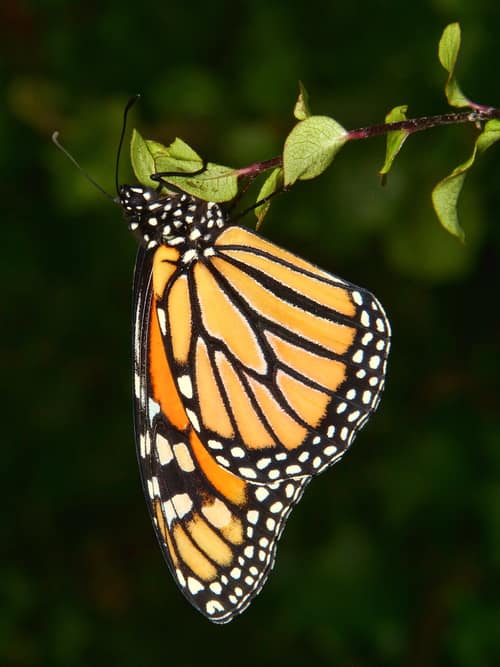
Pollinator Sid Mosdell from New Zealand / CC BY 2.0 · cc-by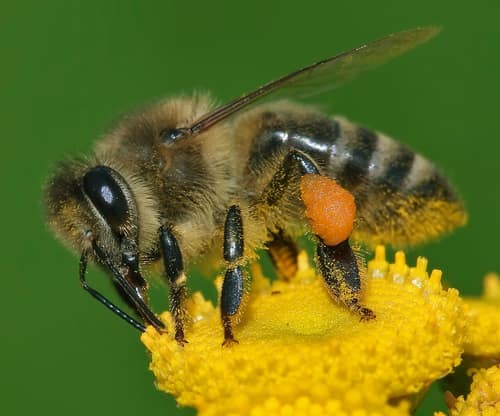
Pollinator Andreas Trepte / CC BY-SA 2.5 · cc-by-sa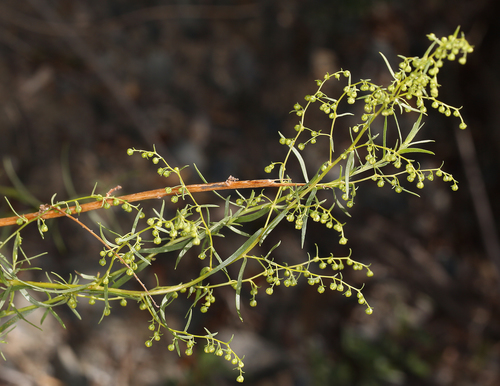
Look-alike (c) Steve Matson, some rights reserved (CC BY), uploaded by Steve Matson · cc-by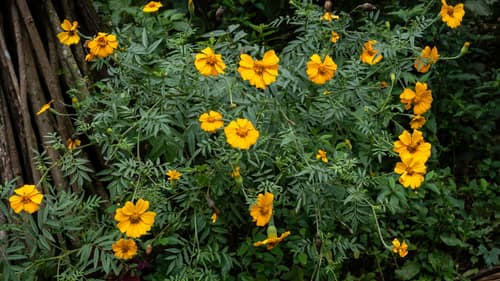
Close Relative (c) lisong, some rights reserved (CC BY-SA) · cc-by-sa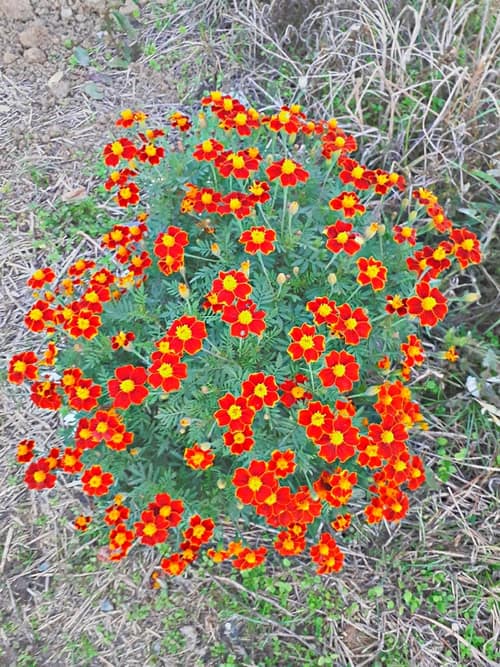
Close Relative (c) Emad Tahaei, some rights reserved (CC BY), uploaded by Emad Tahaei · cc-by
Help improve the field guideSomething wrong?
Checking your Fauna account…Report a name, category, or profile issue for review.