
Plant · GBIF taxon 3088310
Giant Butterbur
Petasites japonicusAlso known as Fuki, Sweet Coltsfoot, Great Butterbur, Japanese Butterbur
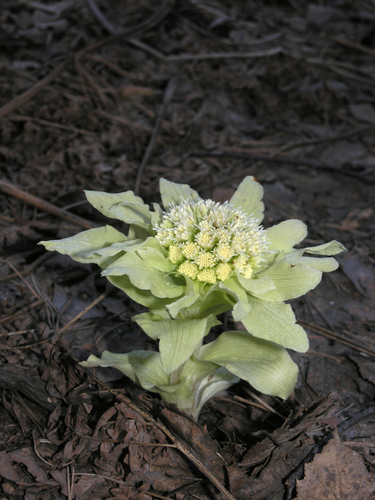
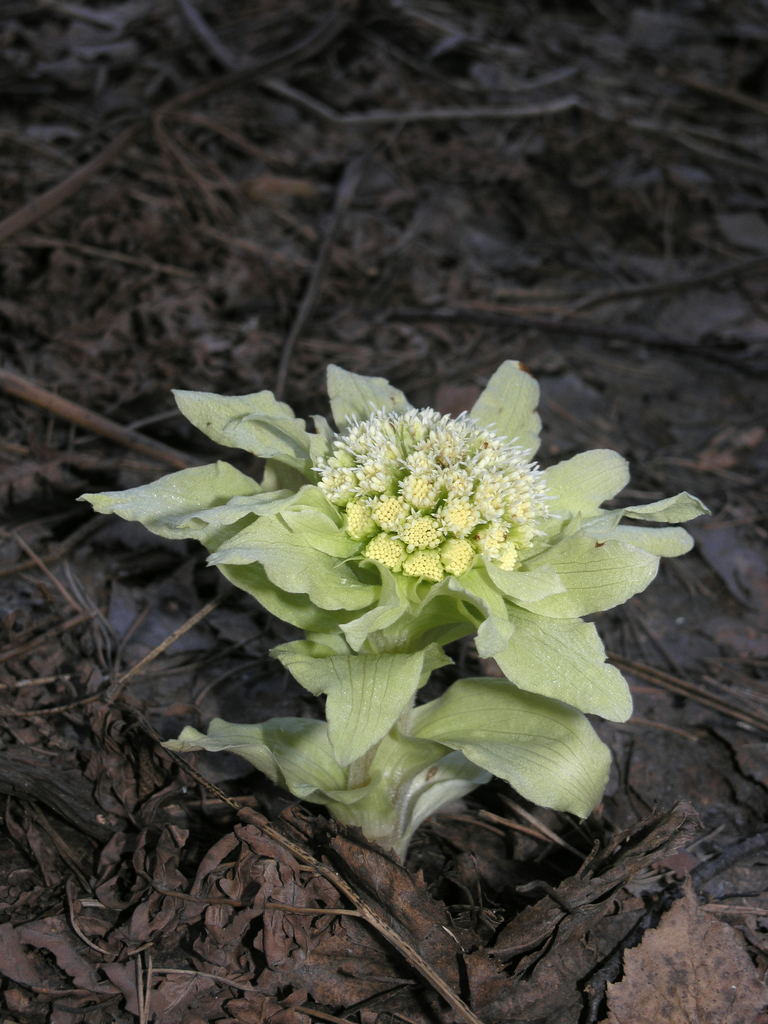
Giant Butterbur produces pale, dense flower heads in early spring before its enormous, umbrella-like leaves emerge to blanket riverbanks and damp woodlands. Spreading rapidly through thick underground rhizomes, it creates dense colonies that dominate wet understories across East Asia and introduced regions in Europe and North America. In traditional East Asian culinary culture, young shoots and buds have a long history of seasonal harvesting following traditional preparation methods.
PerennialBroad-LeafedWetland
 1 / 7
1 / 7—observations
—countries
—peak records
Not EvaluatedConservation statusIUCN Red List categoriesLCNTVUENCREWEXNot Evaluated — not placed on the risk ladderRed List categories, explained →
Diet & prey
- Autotrophic (Photosynthetic)
Predators
- Snails and slugs
- Herbivorous beetles
- Deer
ThreatsHerbicide runoff, stream bank development, invasive competition in native range
HabitatsStream banks, wet meadows, damp woodlands, roadside ditches
Life spanPerennial (rhizomes live for decades)
Classification
- OrderAsterales
- FamilyAsteraceae
- GenusPetasites
- SpeciesPetasites japonicus
Range data is not available yet.
Interaction riskHigh
- Low
- Moderate
- High
- Very high
- Why interaction risk is high
- Contains hepatotoxic pyrrolizidine alkaloids; do not ingest wild plants or confuse with toxic look-alikes.
- Why it is dangerous
- Raw plant tissue contains natural pyrrolizidine alkaloids that can cause progressive liver damage if ingested.
- How to recognize a risky encounter
- Recognized by its gigantic, kidney-shaped leaves springing directly from muddy soil and pale spring flower spikes.
- What to do
- Observe without harvesting, and wash skin thoroughly if handling broken stems to avoid sap contact.
Responsible observation
- Spot early blooms: Look for stout flower stalks emerging from muddy ground in early spring.
- Inspect the foliage: Search for massive, rounded leaf blades reaching up to a meter across by midsummer.
- Check riverbanks: Walk along shaded stream margins where colonies form thick understory stands.
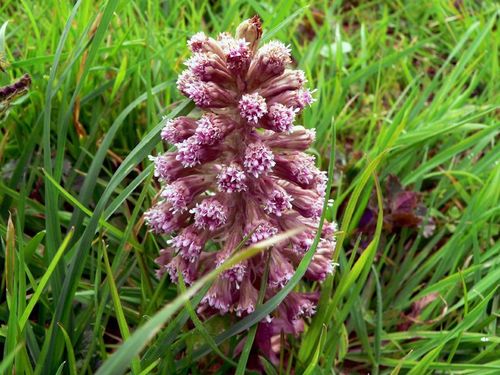
Close Relative (c) Mark Robinson, some rights reserved (CC BY) · cc-by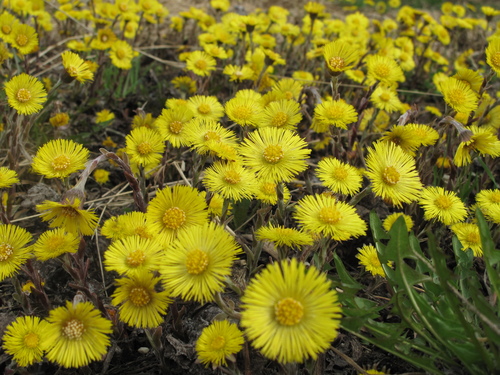
Close Relative (c) Ole Husby, some rights reserved (CC BY-SA) · cc-by-sa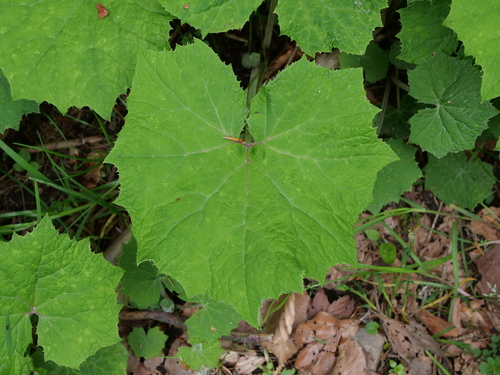
Close Relative (c) Wolfgang Jauch, some rights reserved (CC BY), uploaded by Wolfgang Jauch · cc-by
Help improve the field guideSomething wrong?
Checking your Fauna account…Report a name, category, or profile issue for review.