
Plant · GBIF taxon 3086528
Red Mangrove
Rhizophora mangleAlso known as American Mangrove, Walking Tree
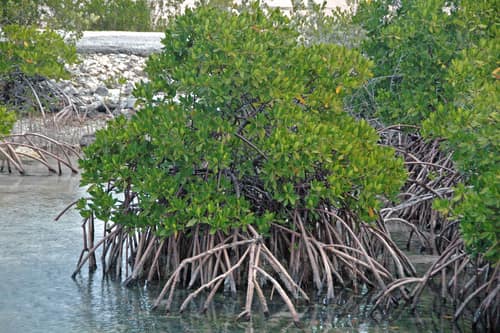
Red mangroves anchor fragile tropical coasts with an intricate matrix of arching stilt roots that buffer shorelines against destructive storm surges and coastal erosion. Their glossy leaves filter out salt at the root level, allowing them to thrive in hyper-saline intertidal waters where few other trees can survive. Submerged root tangles create a vital sheltered nursery for juvenile reef fish, crabs, and invertebrates.
CoastalEvergreenSalt-Tolerant

—observations
—countries
—peak records
Least ConcernConservation statusIUCN Red List categoriesLCNTVUENCREWEXLeast ConcernRed List categories, explained →
Diet & prey
- Estuarine sediment nutrients
- Sunlight
- Water
Predators
- Mangrove crabs
- Boring isopods
- Caterpillars
ThreatsCoastal development, ocean warming, severe storms, aquaculture conversion
HabitatsCoastal estuaries, intertidal zones, mangrove swamps, sheltered bays
Life span50–100 years
Size / weightNot available
Classification
- FamilyRhizophoraceae
- SpeciesRhizophora mangle
Range data is not available yet.
Interaction riskLow
- Low
- Moderate
- High
- Very high
- Why interaction risk is low
- Safe to observe at a normal distance.
- What to notice
- Recognized by high arching prop roots standing directly in salt water and long, hanging green propagules.
- Support conservation
- Avoid cutting roots or snagging low-hanging branches when kayaking through estuarine channels.
Responsible observation
- Navigation: Explore mangrove channels by kayak or paddleboard to navigate shallow waters without disrupting prop roots.
- Identification: Look for arching stilt roots branching off the main trunk into intertidal sediment.
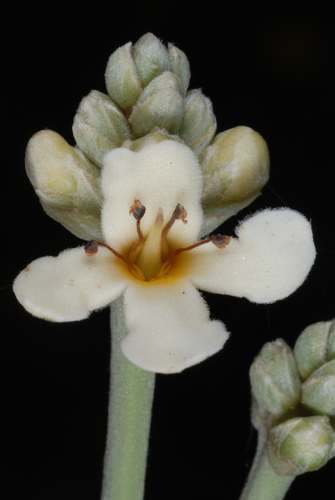
Frequent Companion (c) Douglas Goldman, some rights reserved (CC BY-SA), uploaded by Douglas Goldman · cc-by-sa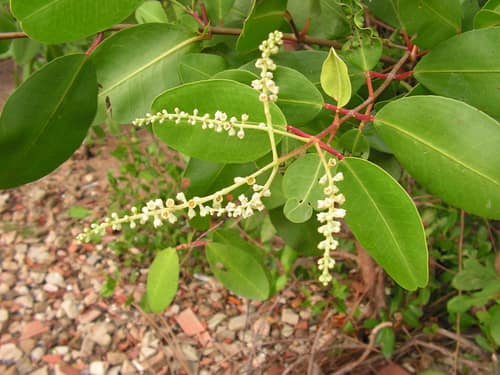
Frequent Companion (c) Tarciso Leão, some rights reserved (CC BY) · cc-by
Herbivore (c) Annika Lindqvist, some rights reserved (CC BY), uploaded by Annika Lindqvist · cc-by
Help improve the field guideSomething wrong?
Checking your Fauna account…Report a name, category, or profile issue for review.