
Plant
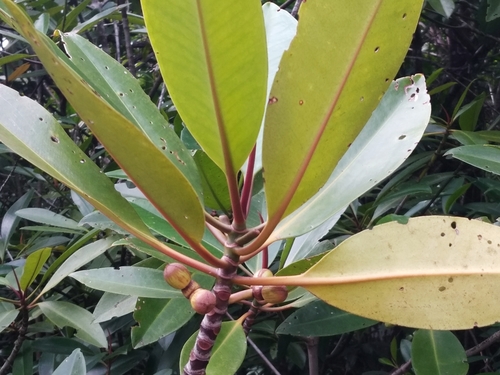
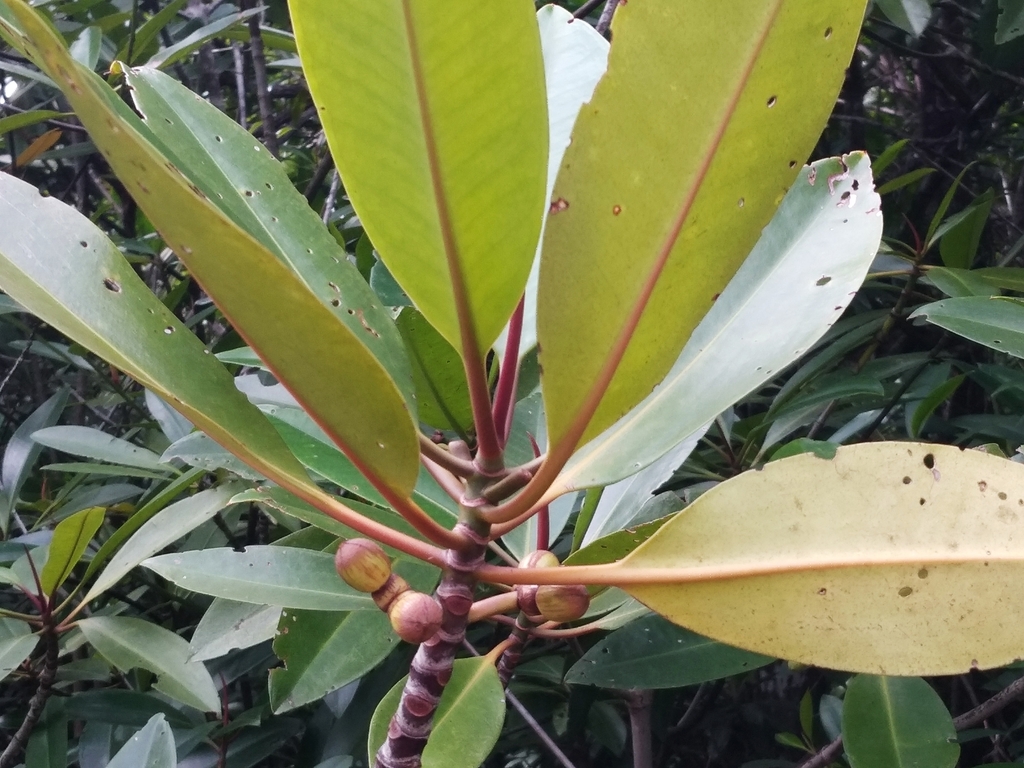
Tall-stilt Mangrove
Rhizophora apiculataAlso known as Bakau Minyak
Arching stilt roots anchor this coastal tree firmly into waterlogged, oxygen-depleted mud, creating sheltered underwater labyrinths that serve as nurseries for juvenile fish and crustaceans. Distinctive paired flowers with thick, brownish-green calyxes yield viviparous propagules that germinate while still attached to the parent branch before dropping point-first into the tide. Widely harvested across Southeast Asia for durable timber and dense charcoal, it plays a vital ecological role in buffering coastlines against violent storm surges and tidal erosion.
MangroveCoastalEstuarine
—observations
—countries
—peak records
Least ConcernConservation statusIUCN Red List categoriesLCNTVUENCREWEXLeast ConcernRed List categories, explained →
Diet & preyPhotosynthetic (utilizes sunlight, carbon dioxide, and estuarine minerals)
Predators
- Mangrove tree crab
- Wood-boring isopod
- Mangrove caterpillar
ThreatsAquaculture conversion, coastal development, and unsustainable charcoal harvesting
HabitatsIntertidal mudflats, river mouths, and brackish estuarine swamps
Life span50–100 years
Classification
- OrderMalpighiales
- FamilyRhizophoraceae
- GenusRhizophora
- SpeciesRhizophora apiculata
Range data is not available yet.
Interaction riskLow
- Low
- Moderate
- High
- Very high
- Why interaction risk is low
- Safe to observe at a normal distance.
Responsible observation
- Boardwalk Etiquette: Stay on designated wooden walkways to prevent crushing shallow underground root networks.
- Tidal Timing: Plan observations during low tide when aerial stilt roots and crawling intertidal fauna are fully exposed.
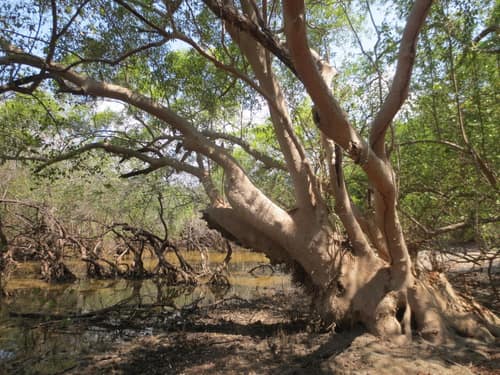
Zonation Neighbor Colin Trainor / CC BY-SA 3.0 · cc-by-sa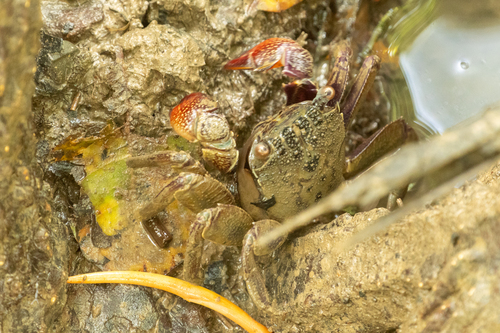
Herbivore (c) CaracalShan, some rights reserved (CC BY) · cc-by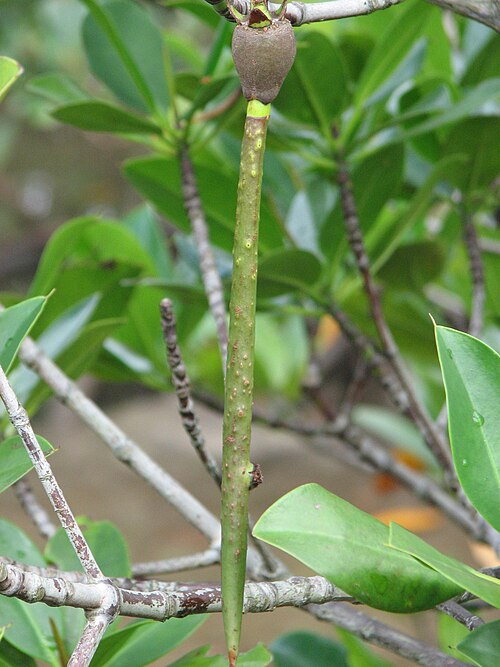
Close Relative self / CC BY-SA 3.0 · cc-by-sa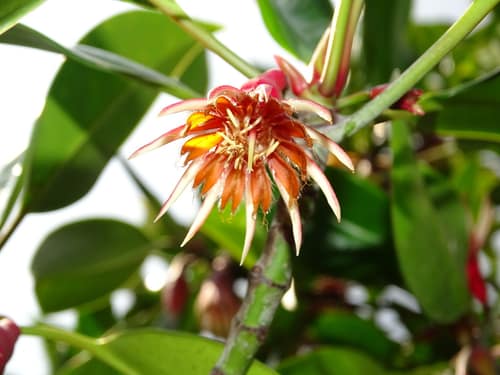
Family Relative no rights reserved, uploaded by 葉子 · cc0
Help improve the field guideSomething wrong?
Checking your Fauna account…Report a name, category, or profile issue for review.