
Plant
Globe Amaranth
Gomphrena globosaAlso known as Bachelor's Button, Makhmali, Vadamalli
Globe amaranth produces vibrant, papery pom-pom flowerheads that retain their intense colors long after being harvested and dried. Native to tropical regions of Central and South America, this resilient annual thrives in hot, sunny conditions while drawing a steady stream of butterflies and bees. The striking structures often mistaken for petals are actually durable bracts protecting tiny, yellow true flowers tucked inside.
AnnualFloweringDrought-Tolerant
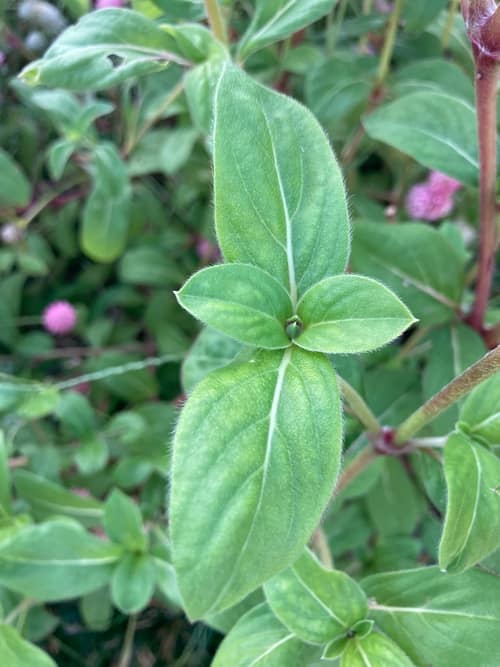
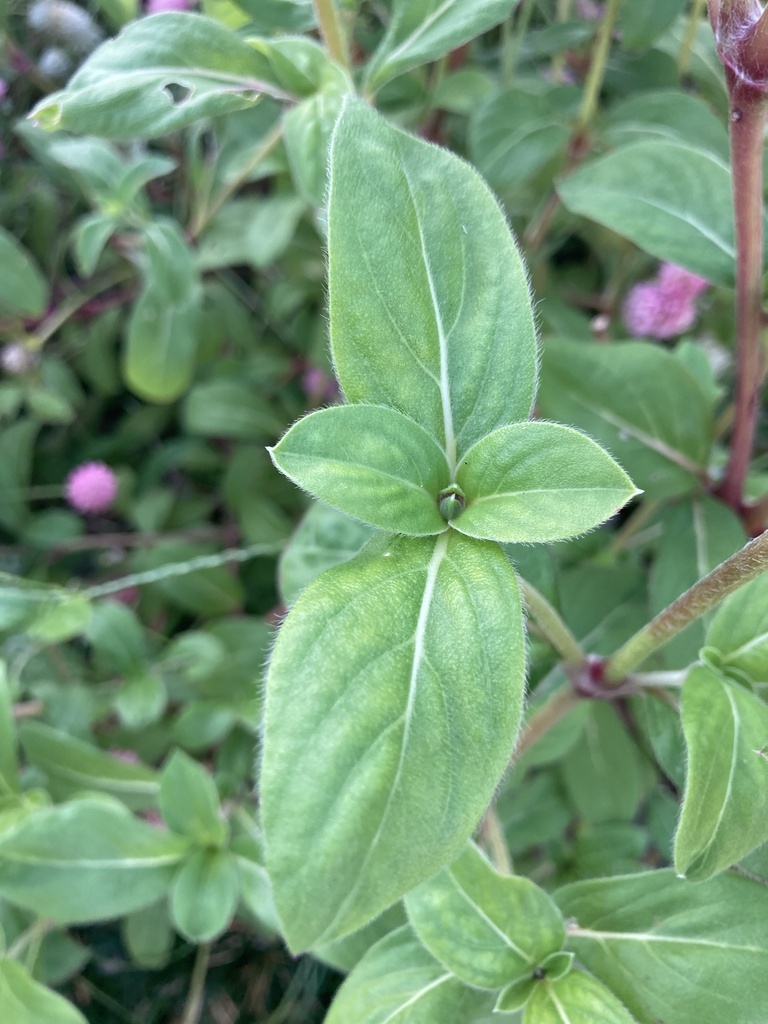
—observations
—countries
—peak records
Not EvaluatedConservation statusIUCN Red List categoriesLCNTVUENCREWEXNot Evaluated — not placed on the risk ladderRed List categories, explained →
Diet & preyPhotosynthetic
Predators
- Aphids
- Spider mites
- Grasshoppers
ThreatsFungal root rot, damp conditions, severe frost
HabitatsGardens, fields, tropical scrublands, and disturbed soils
Life span1 year (annual)
Classification
- OrderCaryophyllales
- FamilyAmaranthaceae
- GenusGomphrena
- SpeciesGomphrena globosa
Range data is not available yet.
Interaction riskLow
- Low
- Moderate
- High
- Very high
- Why interaction risk is low
- Safe to observe and grow in home gardens.
Responsible observation
- Drying Flowers: Cut fully open stems and hang them upside down in a dark, airy place for dried arrangements.
- Sunlight Requirements: Plant in a spot receiving at least six hours of direct sunlight to maximize flower production.
- Watering Habits: Let soil dry out between waterings to encourage deep root growth and prevent disease.
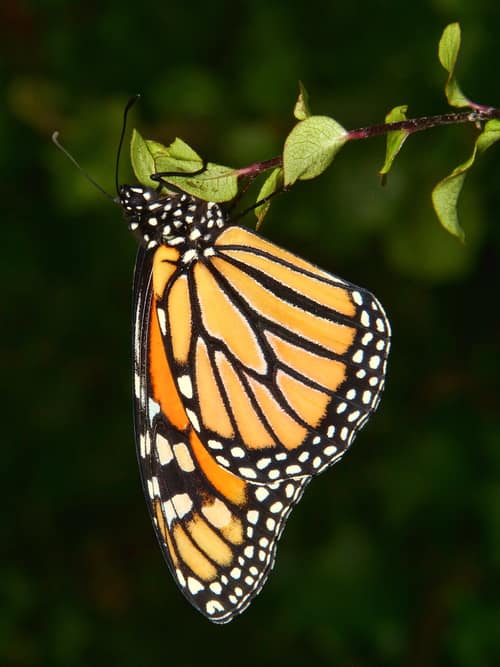
Pollinator Sid Mosdell from New Zealand / CC BY 2.0 · cc-by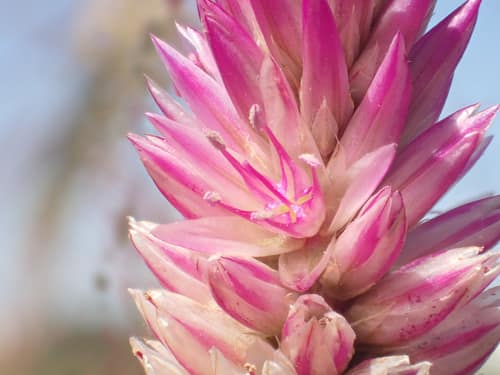
Family Relative no rights reserved, uploaded by 葉子 · cc0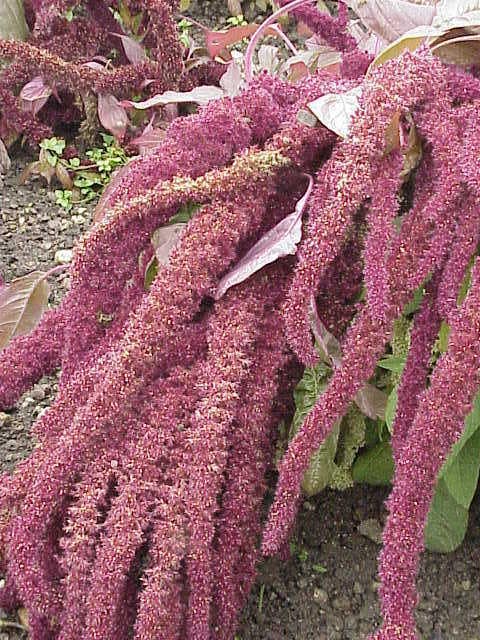
Family Relative (c) anonymous, some rights reserved (CC BY-SA) · cc-by-sa Image unavailable
Close Relative
Help improve the field guideSomething wrong?
Checking your Fauna account…Report a name, category, or profile issue for review.