Also known as Little Hogweed, Pursley, Pusley, Duckweed
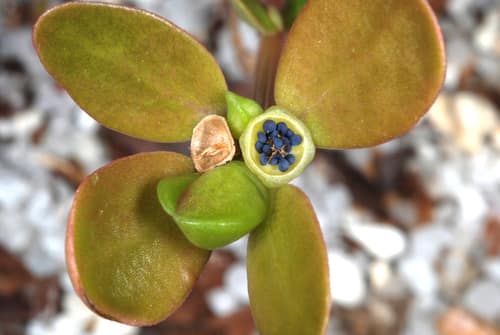
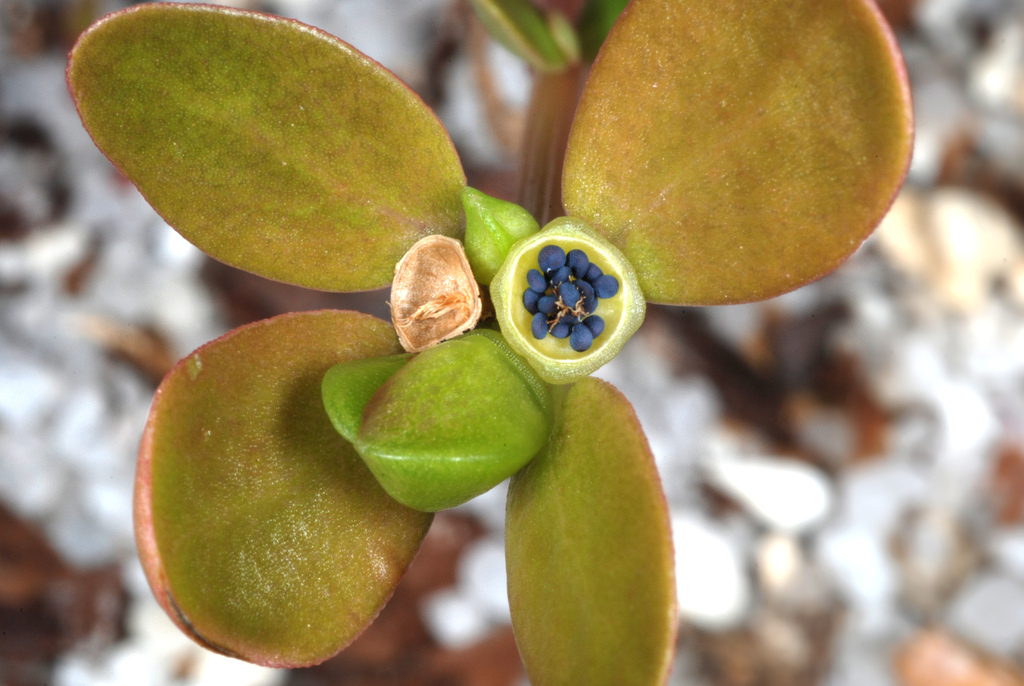
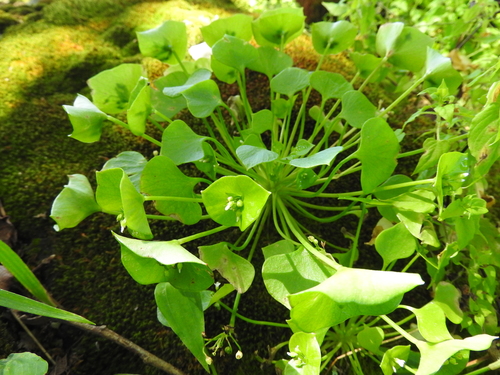
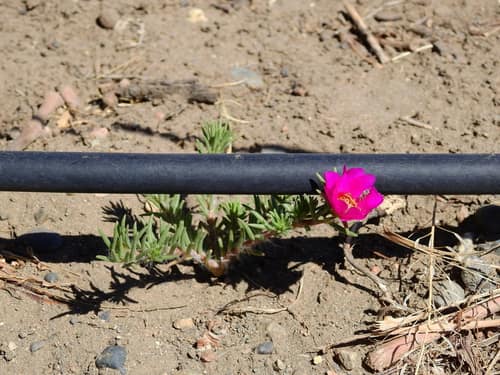
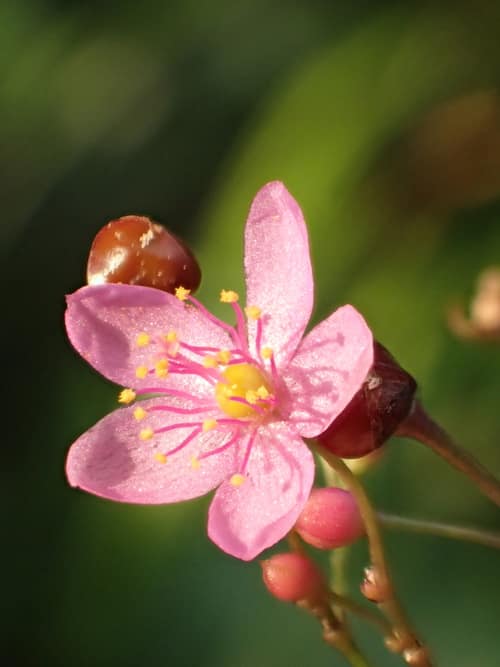
Common purslane is a sprawling succulent annual recognizable by its thick reddish stems and smooth, paddle-shaped leaves. Small five-petaled yellow flowers bloom briefly on hot, sunny mornings before giving way to capsules packed with tiny black seeds. Historically cultivated across the Mediterranean and Asia as a leafy green, it now thrives worldwide in garden beds and urban pavement cracks.
Toxic to pets if ingested in quantity and closely resembles toxic spurges; observe safely without harvesting.
Why it is dangerous
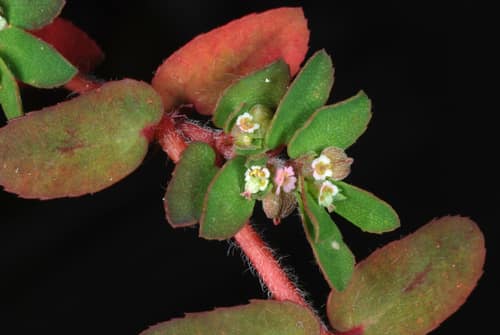
Contains soluble calcium oxalates that can cause kidney distress in pets, and closely mimics toxic spotted spurge which produces irritating white latex.
How to recognize a risky encounter
Examine torn stems for clear sap and smooth leaf edges, which separate purslane from white-sapped spurge.
What to do
Keep pets from grazing on wild patches and avoid wild foraging due to dangerous look-alikes.
Responsible observation
Observation: Watch sunny patches during mid-morning when the tiny yellow flowers momentarily open.
Identification: Break a stem to confirm clear sap rather than the milky latex of toxic spurges.
Management: Remove young plants before seed pods mature and explode to prevent rapid spread.