
Plant
Triangle Cactus
Acanthocereus tetragonusAlso known as Barbed-Wire Cactus, Night-Blooming Cereus, Sword-Pear
Triangle cactus forms sprawling, arching thickets with distinctive three- to five-angled stems lined with sharp clusters of rigid spines. Its massive white flowers open exclusively at night to attract hawkmoths and bats, wilting by the following morning after pollination. Bright red oval fruits develop following successful blooms, providing a valuable source of hydration and nutrients for coastal birds and small mammals.
SucculentNight BloomingArid


—observations
—countries
—peak records
Least ConcernConservation statusIUCN Red List categoriesLCNTVUENCREWEXLeast ConcernRed List categories, explained →
Diet & preySunlight, Water, Soil Minerals
Predators
- Mealybugs
- Cactus Borers
- Grazing Livestock
ThreatsCoastal development, land clearing, habitat destruction
HabitatsCoastal hammocks, scrublands, dry tropical forests, thickets
Life span20–50 years
Classification
- OrderCaryophyllales
- FamilyCactaceae
- GenusAcanthocereus
- SpeciesAcanthocereus tetragonus
Range data is not available yet.
Interaction riskLow
- Low
- Moderate
- High
- Very high
- Why interaction risk is low
- Wild cactus fruits have toxic look-alikes; never eat wild fruits based on app identification alone.
Responsible observation
- Observe Safely: Stay clear of the long, rigid spines that arm the ribbed stem edges.
- Timing Blooms: Nighttime visits in summer reveal fragrant white flowers that collapse by dawn.
- Habitat Cues: Look for thicket-forming arching stems along dry coastal hammocks and scrub.
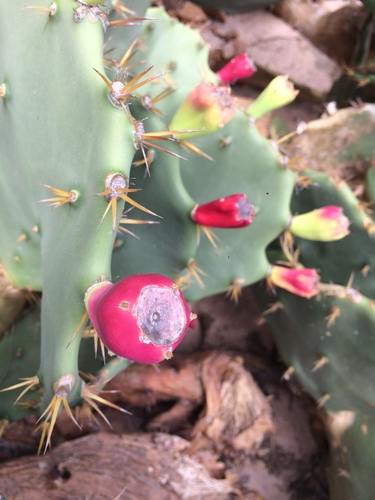
Frequent Companion (c) B. Phalan, some rights reserved (CC BY), uploaded by B. Phalan · cc-by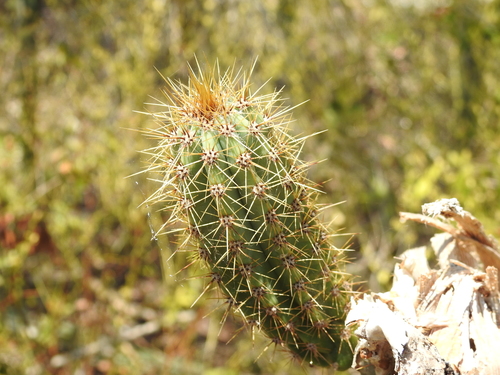
Coastal Neighbor (c) amantedarmanin, some rights reserved (CC BY) · cc-by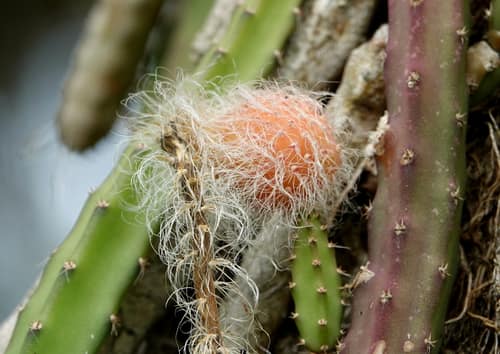
Close Relative (c) Claire Herzog, some rights reserved (CC BY), uploaded by Claire Herzog · cc-by
Help improve the field guideSomething wrong?
Checking your Fauna account…Report a name, category, or profile issue for review.