Also known as Button Pokeweed, Southern Pokeweed, Mexican Pokeweed
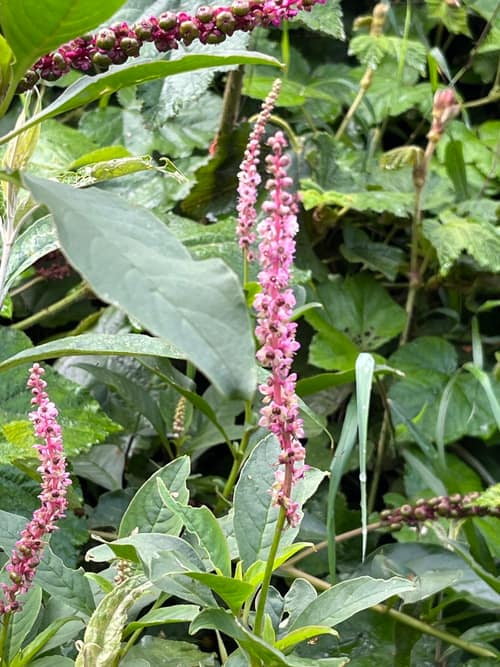
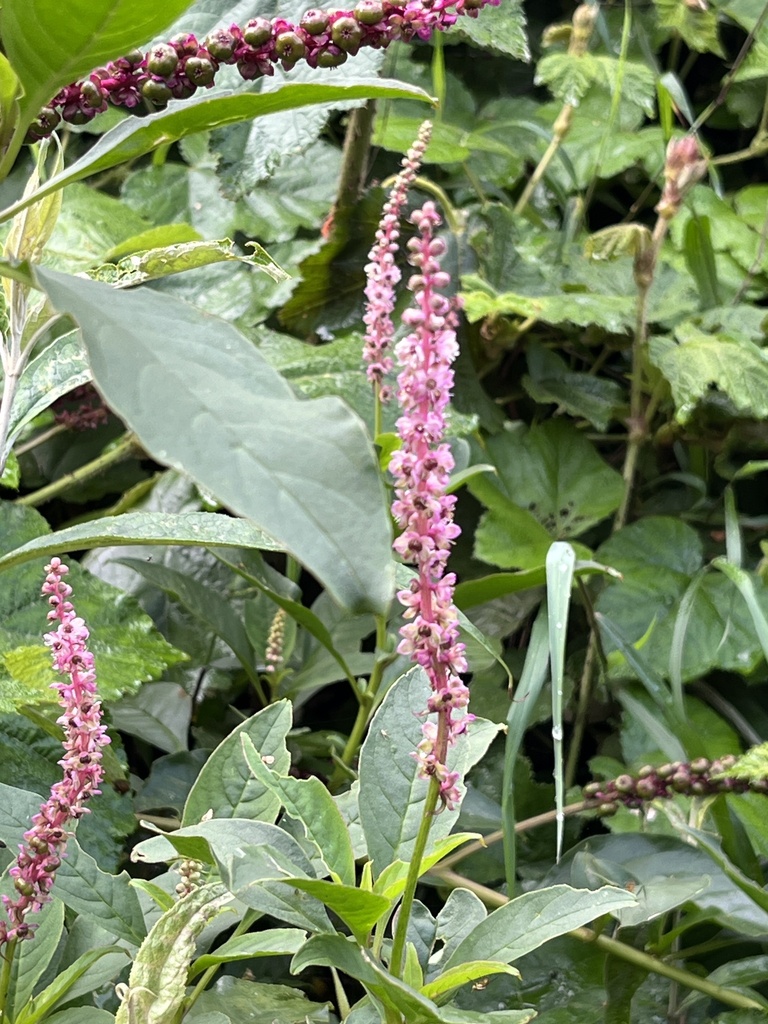
Tropical pokeweed forms robust perennial shrubs with distinctively reddish stems, broad green leaves, and upright spikes of small greenish-white flowers. As flowers mature, they transform into dense clusters of glossy, dark purple-black berries that attract birds for seed dispersal. All plant parts, particularly the dark berries and thick taproot, contain toxic compounds that defend the plant against mammalian herbivores.
Not EvaluatedConservation statusIUCN Red List categoriesLCNTVUENCREWEXNot Evaluated — not placed on the risk ladderRed List categories, explained →
Key facts
Diet & prey
Autotrophic (Photosynthetic)
Predators
Not available
ThreatsHabitat clearing in native regions, weed eradication in introduced areas
HabitatsDisturbed ground, forest margins, roadsides, thickets, and agricultural land
Life spanPerennial (several years)
Size / weightNot available
Classification
FamilyPhytolaccaceae
SpeciesPhytolacca icosandra
Range & activity
Range data is not available yet.
Safe observation
Interaction riskHigh
Low
Moderate
High
Very high
Why interaction risk is high
All parts are toxic if ingested and sap causes skin irritation; wild berries have toxic look-alikes, so never consume.
Why it is dangerous
Contains triterpenoid saponins, phytolaccine, and lectins that cause severe gastrointestinal pain, vomiting, and potential respiratory distress if ingested.
How to recognize a risky encounter
Identified by its thick reddish-purple stems, broad alternate leaves, and upright spikes of tightly packed, shiny dark berries.
What to do
Do not touch sap with bare hands and keep pets and livestock far away from all plant parts.
Responsible observation
Observation: Admire the striking contrast of dark berries and red stems without handling crushed fruit.
Gardening Safety: Wear gloves when pulling or trimming plants to prevent skin contact with irritant sap.

 1 / 7
1 / 7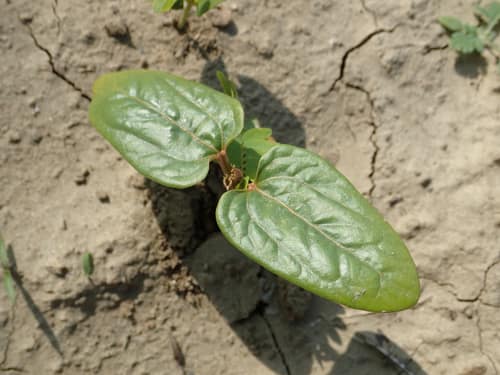
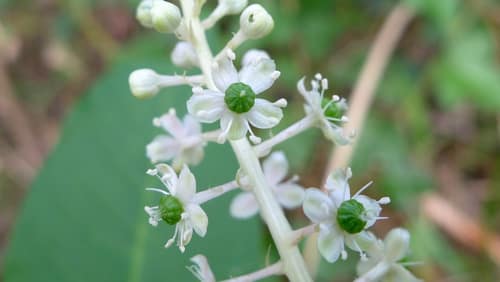
 Image unavailable