
Plant · GBIF taxon 3084022
Indian Pokeweed
Phytolacca acinosaAlso known as Asian Pokeweed, Lobe-fruited Pokeweed
Indian pokeweed is a robust, erect perennial herb featuring thick, reddish stems and broad, lance-shaped leaves. In summer, dense upright spikes of white flowers transition into clustered, dark purple-black berries with distinctly segmented lobes. Native to eastern Asia and widely naturalized in Europe, it thrives along forest margins, disturbed fields, and moist stream banks.
PerennialToxicBerry-bearing
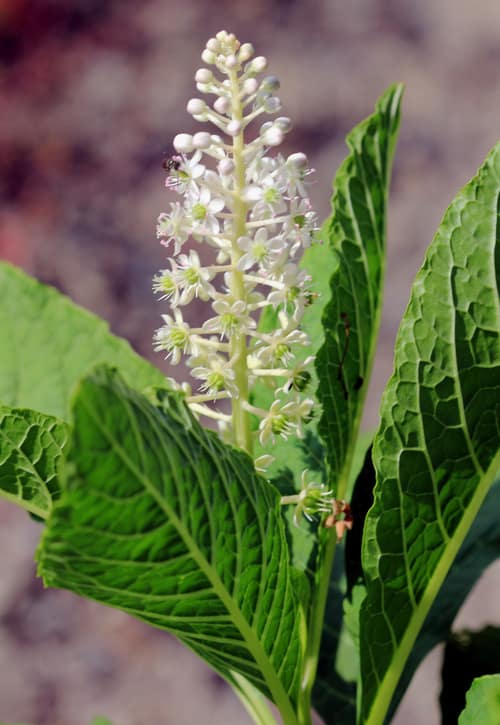
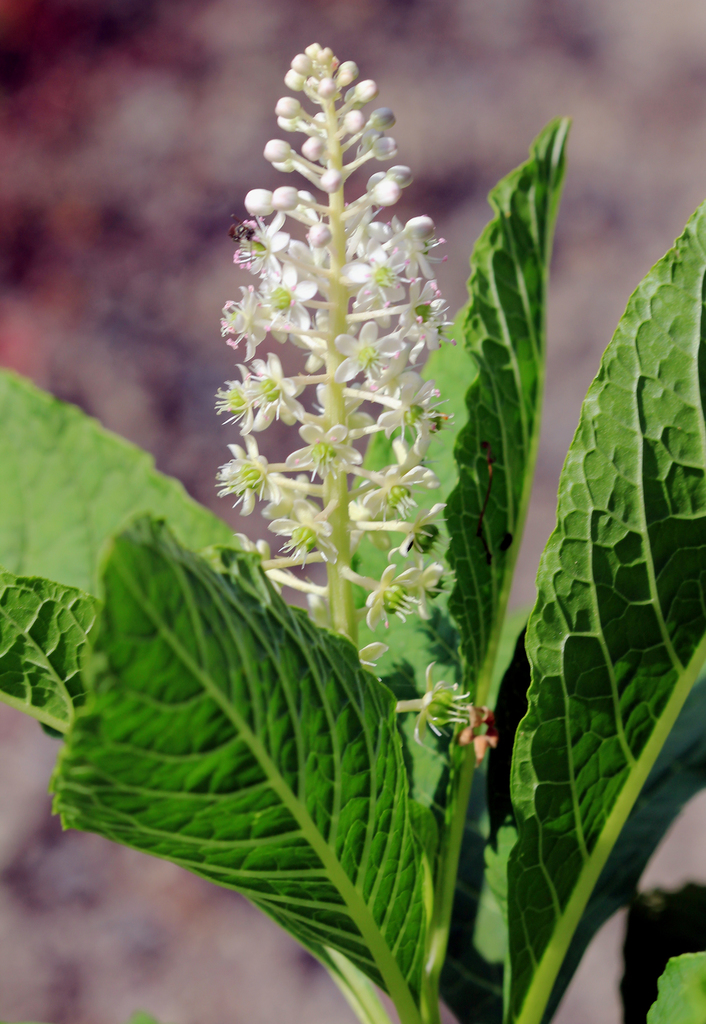
—observations
—countries
—peak records
Not EvaluatedConservation statusIUCN Red List categoriesLCNTVUENCREWEXNot Evaluated — not placed on the risk ladderRed List categories, explained →
Diet & prey
- Autotrophic
Predators
- Thrushes
- Pigeons
- Starlings
ThreatsHabitat clearing in native range; aggressive weed management in introduced areas
HabitatsForest edges, stream banks, agricultural fields, disturbed ground
Life spanPerennial (10+ years via deep taproot)
Classification
- OrderCaryophyllales
- FamilyPhytolaccaceae
- GenusPhytolacca
- SpeciesPhytolacca acinosa
Range data is not available yet.
Interaction riskHigh
- Low
- Moderate
- High
- Very high
- Why interaction risk is high
- Contains saponins and phytolaccatoxin; wild berries have toxic look-alikes, so never ingest any part.
- Why it is dangerous
- Contains phytolaccatoxin and triterpenoid saponins that induce intense vomiting, abdominal pain, diarrhea, and convulsions if ingested.
- How to recognize a risky encounter
- Look for upright fruit spikes bearing deeply segmented, glossy dark-purple berries on thick reddish stems.
- What to do
- Never consume wild berries or leaves, and wear gloves when removing mature plants from gardens.
Responsible observation
- Safe Viewing: Enjoy the striking dark purple fruit clusters from a safe distance without harvesting.
- Garden Containment: Deadhead flowers before seed formation to stop invasive spreading in introduced ranges.
- Handling Precaution: Wear gloves when digging up or cutting back stems to avoid sap contact.
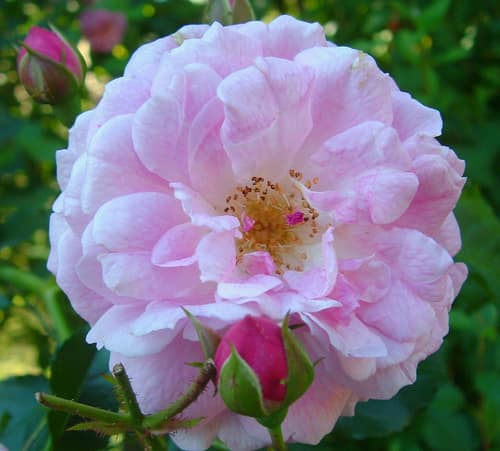
Frequent Companion "Rugosa rose" by nordique is licensed under CC BY 2.0. To view a copy of this license, visit https://creativecommons.org/licenses/by/2.0/. · cc-by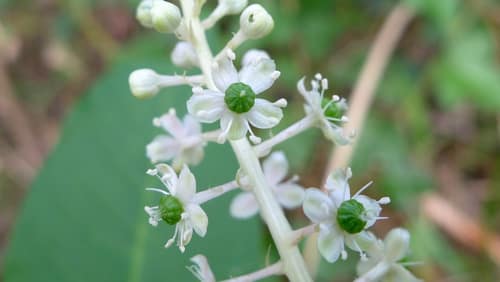
Close Relative (c) John Tann, some rights reserved (CC BY) · cc-by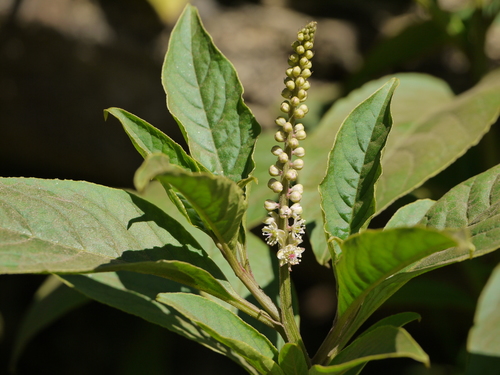
Close Relative (c) Dinesh Valke, some rights reserved (CC BY-SA) · cc-by-sa
Help improve the field guideSomething wrong?
Checking your Fauna account…Report a name, category, or profile issue for review.