Also known as Tumbleweed, Common Saltwort, Windwitch
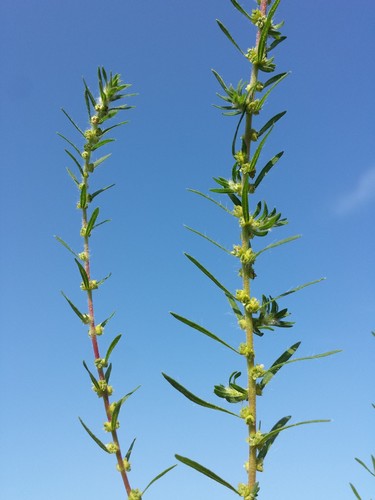
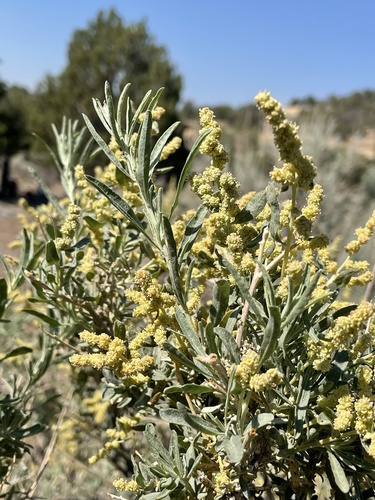
Prickly Russian thistle is a bushy annual herb native to Eurasia that has spread across arid plains, roadsides, and disturbed soils worldwide. Young spring shoots grow soft and succulent with threadlike leaves, but mature plants harden into dense globes armed with sharp, spine-tipped bracts. In autumn, the stem snaps at ground level so wind-driven tumbleweeds roll across open terrain and scatter tens of thousands of seeds.
Not EvaluatedConservation statusIUCN Red List categoriesLCNTVUENCREWEXNot Evaluated — not placed on the risk ladderRed List categories, explained →
Key facts
Diet & preyPhotosynthesis (autotrophic) using sunlight, water, and soil minerals
Predators
Jackrabbits
Pronghorn
Seed-eating sparrows
ThreatsNone globally; widely managed with herbicides, mowing, and biological control
HabitatsArid plains, disturbed soils, roadsides, agricultural fields, and sandy shores
Life span1 year (annual herbaceous plant growing from seed each spring and dying in autumn, though dead skeletons persist through winter months in dry climates and scatter seeds widely as they roll across open ground.)
Classification
OrderCaryophyllales
FamilyAmaranthaceae
GenusSalsola
SpeciesSalsola tragus
Range & activity
Range data is not available yet.
Safe observation
Interaction riskLow
Low
Moderate
High
Very high
Why interaction risk is low
Safe to observe at a normal distance; mature plants have sharp spines that can prick bare skin.
Responsible observation
Look at Seedlings: Young spring shoots are soft and fleshy before hardening into rigid spines.
Wear Gloves: Mature stems carry stiff, sharp bracts that easily puncture bare skin.
Watch the Wind: Dried plants snap at the base in autumn to roll and scatter seeds.

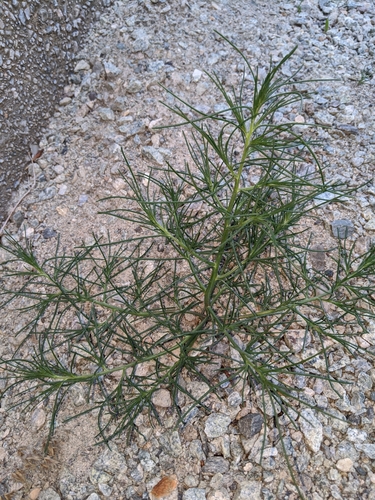
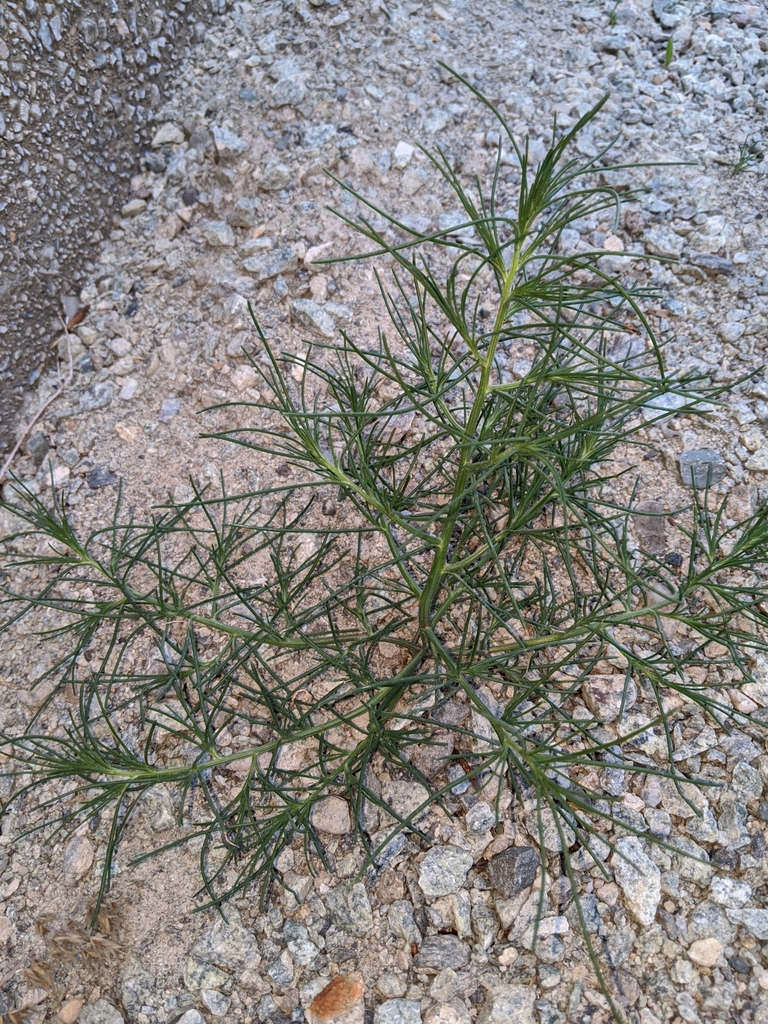
 Image unavailable